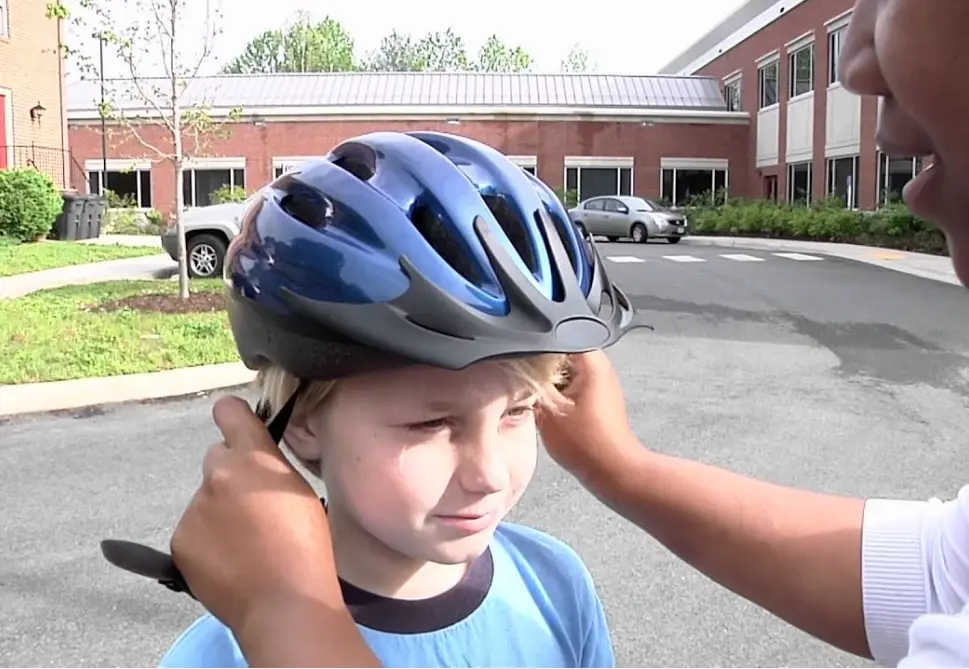
Bike helmets are essential safety gear for cyclists of all ages, designed to protect the head from serious injuries during accidents. A well-fitted helmet can reduce the risk of traumatic brain injuries by up to 88%, absorbing impact and distributing force away from the skull. When choosing a helmet, look for models certified by standards like CPSC or EN 1078, ensuring they feature a hard outer shell, impact-absorbing foam, and proper ventilation for comfort during rides. For the best protection, the helmet should sit level on your head, covering your forehead without wobbling, and the chin straps must be securely fastened and adjusted to form a V shape under your ears. Always replace a helmet after any crash, exposure to extreme conditions, or if it’s more than five years old, as materials degrade over time. By making helmet use a non-negotiable habit, riders can enjoy safer cycling experiences on roads, trails, or urban paths.
Table of Contents
- Part 1: OnlineExamMaker – Generate and Share Bike Helmet Safety Quiz with AI Automatically
- Part 2: 20 Bike Helmet Safety Quiz Questions & Answers
- Part 3: AI Question Generator – Automatically Create Questions for Your Next Assessment
Part 1: OnlineExamMaker – Generate and Share Bike Helmet Safety Quiz with AI Automatically
The quickest way to assess the Bike Helmet Safety knowledge of candidates is using an AI assessment platform like OnlineExamMaker. With OnlineExamMaker AI Question Generator, you are able to input content—like text, documents, or topics—and then automatically generate questions in various formats (multiple-choice, true/false, short answer). Its AI Exam Grader can automatically grade the exam and generate insightful reports after your candidate submit the assessment.
What you will like:
● Create a question pool through the question bank and specify how many questions you want to be randomly selected among these questions.
● Allow the quiz taker to answer by uploading video or a Word document, adding an image, and recording an audio file.
● Display the feedback for correct or incorrect answers instantly after a question is answered.
● Create a lead generation form to collect an exam taker’s information, such as email, mobile phone, work title, company profile and so on.
Automatically generate questions using AI
Part 2: 20 Bike Helmet Safety Quiz Questions & Answers
or
1. What is the primary purpose of a bike helmet?
A. To make the rider look stylish
B. To protect the head from injuries during a crash
C. To keep the rider’s hair dry in the rain
D. To increase the bike’s speed
Correct Answer: B
Explanation: Bike helmets are designed to absorb impact and reduce the risk of head injuries by distributing force away from the skull in the event of a fall or collision.
2. At what age should children start wearing bike helmets?
A. Only after they learn to ride without training wheels
B. As soon as they begin riding a bike, typically around 1 year old
C. When they turn 10 years old
D. Helmets are not necessary for children under 5
Correct Answer: B
Explanation: Children should wear helmets from their first ride to protect their developing brains, regardless of age, as long as they are riding.
3. Which organization certifies bike helmets in the United States?
A. FDA
B. CPSC
C. EPA
D. NASA
Correct Answer: B
Explanation: The Consumer Product Safety Commission (CPSC) sets safety standards for bike helmets, ensuring they meet requirements for impact protection and other safety features.
4. How should a bike helmet fit on the head?
A. Loose enough to move around
B. Tight enough to not move but still comfortable
C. Only covering the back of the head
D. Worn backwards for better visibility
Correct Answer: B
Explanation: A properly fitted helmet should sit level on the head, cover the forehead, and not shift when shaken, providing maximum protection without discomfort.
5. What is the recommended replacement interval for a bike helmet?
A. Every 10 years regardless of use
B. After any crash or if it’s more than 5-10 years old
C. Only if it gets dirty
D. Never, as long as it looks fine
Correct Answer: B
Explanation: Helmets can degrade over time due to wear, sun exposure, or impacts, so they should be replaced after a crash or every 5-10 years to ensure they remain effective.
6. Why is it important to replace a helmet after a crash?
A. The color might fade
B. The internal structure may be compromised and less effective
C. It becomes too tight
D. Helmets are only single-use items by law
Correct Answer: B
Explanation: Even if a helmet looks undamaged, the foam and materials inside can crush or weaken during a crash, reducing its ability to protect in future incidents.
7. What type of helmet is best for mountain biking?
A. A standard road helmet
B. A full-face helmet for added jaw protection
C. No helmet is needed on trails
D. A helmet with no straps
Correct Answer: B
Explanation: Full-face helmets provide extra protection for the face and jaw, which is crucial for high-speed or rough terrain mountain biking to prevent severe injuries.
8. Can wearing a helmet prevent all head injuries?
A. Yes, it makes the rider completely safe
B. No, but it significantly reduces the risk of serious injury
C. Only for adults, not children
D. Helmets increase the risk of neck injuries
Correct Answer: B
Explanation: While helmets greatly reduce the severity of head injuries by absorbing impacts, they do not eliminate all risks, as other factors like speed and angle of impact play a role.
9. What should you check before buying a bike helmet?
A. If it matches your bike’s color
B. If it has a CPSC or similar certification label
C. If it’s the cheapest option
D. If it has lights for nighttime riding
Correct Answer: B
Explanation: Certification labels ensure the helmet meets safety standards for impact resistance, ensuring it will protect effectively during an accident.
10. How often should you replace the straps on a bike helmet?
A. Every year
B. Only if they break
C. They don’t need replacement
D. When the helmet is replaced
Correct Answer: B
Explanation: Straps should be inspected regularly, and replaced if they show signs of wear, fraying, or damage to maintain a secure fit during rides.
11. Is it safe to wear a helmet that has been dropped from a height?
A. Yes, as long as it doesn’t look damaged
B. No, it may have internal damage affecting its protection
C. Only if dropped on soft ground
D. Helmets are indestructible
Correct Answer: B
Explanation: A dropped helmet might have compromised internal foam, reducing its ability to absorb future impacts, so it should be replaced.
12. What is the correct way to wear a bike helmet?
A. Tilted back on the head
B. Strapped under the chin with two fingers’ space
C. Loose for comfort
D. Only on long rides
Correct Answer: B
Explanation: The helmet should be positioned level on the head with the strap secured under the chin, allowing just enough room for two fingers to ensure a snug, safe fit.
13. Why do bike helmets have vents?
A. To make them lighter
B. To improve airflow and reduce overheating
C. For aesthetic purposes
D. To allow water to drain
Correct Answer: B
Explanation: Vents in helmets promote air circulation, helping to keep the rider cool and comfortable during rides, which encourages consistent use.
14. Can a bike helmet be used for other activities like skateboarding?
A. Yes, any helmet works for all activities
B. No, bike helmets are specific to biking and may not meet other standards
C. Only if it’s a multi-sport helmet
D. Helmets are interchangeable
Correct Answer: C
Explanation: While some helmets are designed for multiple uses, standard bike helmets may not provide adequate protection for high-impact activities like skateboarding, so activity-specific helmets are recommended.
15. What percentage of cycling deaths could be prevented by helmets?
A. 10%
B. Up to 85% for head injuries
C. 50%
D. 0%, helmets don’t help
Correct Answer: B
Explanation: Studies show that helmets can prevent up to 85% of head injuries in cycling accidents, highlighting their critical role in safety.
16. Should you buy a used bike helmet?
A. Yes, to save money
B. No, due to unknown history of damage or fit
C. Only if it’s from a friend
D. Yes, if it’s cheap
Correct Answer: B
Explanation: Used helmets may have hidden damage from previous crashes or improper storage, compromising their protective capabilities, so new ones are safer.
17. How does helmet color affect safety?
A. Brighter colors make you more visible to others
B. Dark colors are safer at night
C. Color doesn’t matter
D. Only red helmets are effective
Correct Answer: A
Explanation: Helmets in bright or reflective colors increase visibility to drivers and others, reducing the risk of accidents by making the rider easier to see.
18. What is the main material used in bike helmet construction?
A. Metal for durability
B. Expanded polystyrene foam (EPS) for impact absorption
C. Rubber for flexibility
D. Glass for strength
Correct Answer: B
Explanation: EPS foam is the core material in most helmets, as it crushes on impact to absorb energy and protect the head.
19. Is it legal to ride a bike without a helmet in all states?
A. Yes, everywhere
B. No, many states have laws requiring helmets for minors
C. Only for adults
D. Helmets are optional worldwide
Correct Answer: B
Explanation: While laws vary, many U.S. states mandate helmets for children under a certain age, emphasizing the importance of compliance for safety.
20. What should you do if your helmet is too big?
A. Wear it anyway
B. Add extra padding or get a smaller size
C. Tighten the straps extremely
D. It’s fine as long as it’s comfortable
Correct Answer: B
Explanation: A helmet that is too big won’t stay in place during a crash, so adjusting with padding or replacing it ensures proper fit and protection.
or
Part 3: AI Question Generator – Automatically Create Questions for Your Next Assessment
Automatically generate questions using AI