Sports safety is essential for preventing injuries and ensuring enjoyable participation in physical activities. It encompasses a range of practices designed to protect athletes of all ages and skill levels from risks associated with training, competition, and recreation.
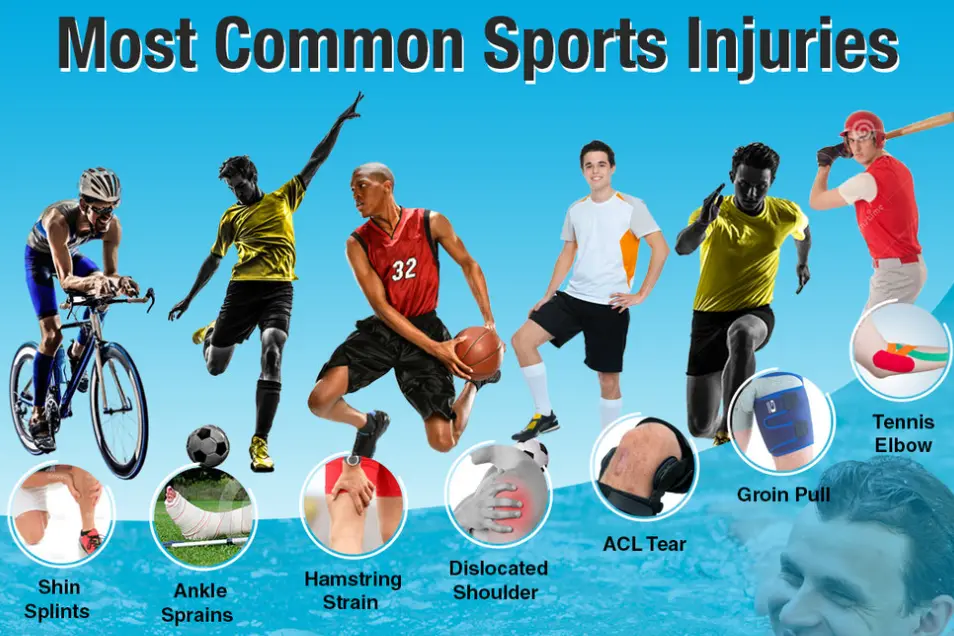
Key elements of sports safety include proper warm-up and cool-down routines, which prepare the body for exertion and aid recovery, reducing the likelihood of strains, sprains, or more severe injuries. Using appropriate protective gear, such as helmets, pads, and mouthguards, is crucial in high-impact sports like football, hockey, or cycling, as it shields against collisions and falls.
Understanding and adhering to sport-specific rules and regulations helps minimize hazards. For instance, enforcing fair play in team sports prevents unnecessary aggression, while guidelines on hydration and rest intervals combat fatigue-related risks like heat exhaustion.
Coaches, parents, and athletes should prioritize education on injury prevention, including recognizing signs of concussion, overuse injuries, or environmental dangers. Regular medical check-ups and access to first-aid training ensure quick responses to emergencies, fostering a safer environment overall.
By integrating these measures, sports can remain a healthy pursuit that promotes physical fitness, mental well-being, and lifelong enjoyment.
Table of Contents
- Part 1: Create A Sports Safety Quiz in Minutes Using AI with OnlineExamMaker
- Part 2: 20 Sports Safety Quiz Questions & Answers
- Part 3: Automatically Generate Quiz Questions Using AI Question Generator
Part 1: Create A Sports Safety Quiz in Minutes Using AI with OnlineExamMaker
When it comes to ease of creating a Sports Safety skills assessment, OnlineExamMaker is one of the best AI-powered quiz making software for your institutions or businesses. With its AI Question Generator, just upload a document or input keywords about your assessment topic, you can generate high-quality quiz questions on any topic, difficulty level, and format.
Overview of its key assessment-related features:
● AI Question Generator to help you save time in creating quiz questions automatically.
● Share your online exam with audiences on social platforms like Facebook, Twitter, Reddit and more.
● Instantly scores objective questions and subjective answers use rubric-based scoring for consistency.
● Simply copy and insert a few lines of embed codes to display your online exams on your website or WordPress blog.
Automatically generate questions using AI
Part 2: 20 Sports Safety Quiz Questions & Answers
or
1. What is the primary purpose of a warm-up before engaging in sports activities?
A. To increase heart rate and prepare muscles
B. To build muscle mass quickly
C. To cool down the body
D. To replace lost fluids
Answer: A
Explanation: A warm-up gradually increases heart rate, blood flow, and muscle temperature, reducing the risk of injury by preparing the body for more intense activity.
2. Why is it important to wear a helmet during contact sports like football?
A. To protect the head from impacts and reduce concussion risk
B. To improve visibility on the field
C. To keep the head warm in cold weather
D. To make the player look more professional
Answer: A
Explanation: Helmets absorb shock from collisions, protecting the skull and brain from serious injuries such as concussions or traumatic brain injuries.
3. What should an athlete do if they feel dehydrated during a game?
A. Drink water or an electrolyte solution immediately and rest
B. Continue playing to finish the game
C. Eat a large meal to regain energy
D. Ignore it and push through the discomfort
Answer: A
Explanation: Dehydration can lead to heat-related illnesses; replenishing fluids and electrolytes quickly helps maintain performance and prevents severe health issues.
4. Which stretching technique is safest to perform before a sports activity?
A. Dynamic stretching
B. Ballistic stretching
C. Static stretching without warming up
D. No stretching at all
Answer: A
Explanation: Dynamic stretching involves controlled movements that mimic the activity, increasing flexibility and blood flow without risking muscle tears that can occur with improper static or ballistic methods.
5. What is a key sign of heat exhaustion in athletes?
A. Heavy sweating, dizziness, and nausea
B. Increased energy and focus
C. Muscle building without effort
D. Cold skin and shivering
Answer: A
Explanation: Heat exhaustion symptoms like heavy sweating, dizziness, and nausea indicate the body is overheating, requiring immediate rest and cooling to prevent progression to heat stroke.
6. Why should athletes wear appropriate footwear during sports?
A. To provide support, prevent slips, and reduce injury risk
B. To match the team’s uniform
C. To make running faster
D. To keep feet warm
Answer: A
Explanation: Proper footwear offers traction, cushioning, and stability, helping to avoid sprains, fractures, and other injuries caused by poor support or unstable surfaces.
7. What should be the first step if an athlete suspects a concussion?
A. Stop playing and seek medical evaluation
B. Continue playing if they feel okay
C. Apply ice and keep going
D. Rest for a few minutes and resume
Answer: A
Explanation: Concussions can worsen with continued activity, so immediate removal from play and professional assessment are crucial to prevent long-term brain damage.
8. In weight training, what is the safest way to lift heavy weights?
A. Using proper form and engaging core muscles
B. Lifting quickly with momentum
C. Holding your breath during the lift
D. Lifting with a straight back and locked knees
Answer: A
Explanation: Proper form, including engaging core muscles, distributes weight evenly and reduces strain on the spine, preventing injuries like herniated discs or muscle strains.
9. What is a critical swimming safety rule for open water?
A. Swim with a buddy and know your limits
B. Dive headfirst into unknown waters
C. Swim alone for personal challenge
D. Ignore weather conditions
Answer: A
Explanation: Swimming with a buddy ensures help is available in emergencies, and knowing limits prevents exhaustion or drowning in unpredictable open water environments.
10. Why should cyclists always wear reflective clothing at night?
A. To increase visibility to other road users and reduce accident risk
B. To keep warm during rides
C. To look stylish on the bike
D. To protect against rain
Answer: A
Explanation: Reflective clothing helps drivers see cyclists in low-light conditions, significantly lowering the risk of collisions and enhancing overall road safety.
11. In team sports, what rule helps prevent collisions?
A. Maintaining proper spacing and communication among players
B. Running as fast as possible toward the ball
C. Ignoring the referee’s calls
D. Tackling from behind without warning
Answer: A
Explanation: Proper spacing and communication allow players to anticipate movements, reducing the chance of unintended collisions and related injuries.
12. What is the first aid priority for a sprained ankle during a game?
A. Apply the RICE method (Rest, Ice, Compression, Elevation)
B. Continue playing to test the injury
C. Massage the area vigorously
D. Wrap it tightly without checking swelling
Answer: A
Explanation: The RICE method reduces swelling, pain, and further damage, allowing the injury to heal properly and preventing complications like chronic instability.
13. Why is overtraining dangerous for athletes?
A. It can lead to fatigue, injury, and decreased performance
B. It builds endurance faster
C. It helps with weight loss immediately
D. It improves flexibility quickly
Answer: A
Explanation: Overtraining stresses the body without adequate recovery, increasing the risk of injuries, burnout, and weakened immune function, which can hinder long-term athletic success.
14. What should athletes do if playing in bad weather conditions?
A. Check for risks and postpone if unsafe
B. Play regardless to avoid rescheduling
C. Wear extra layers without assessing dangers
D. Ignore lightning and continue
Answer: A
Explanation: Bad weather like rain or lightning can cause slips, hypothermia, or strikes; assessing and postponing activities prioritizes safety and prevents accidents.
15. Why are age-appropriate sports activities important?
A. To match physical development and reduce injury risk
B. To challenge younger kids with adult-level intensity
C. To focus only on competition
D. To ignore skill levels
Answer: A
Explanation: Activities suited to an athlete’s age ensure their body is physically ready, minimizing risks like growth plate injuries in children or overexertion in older adults.
16. What protective gear is essential in basketball to prevent eye injuries?
A. Goggles or protective eyewear
B. Just a mouthguard
C. Ankle braces only
D. No gear, as it’s not contact-heavy
Answer: A
Explanation: Goggles shield the eyes from accidental pokes or balls, reducing the risk of injuries like corneal scratches or permanent vision damage during fast-paced play.
17. Why is proper nutrition important for sports safety?
A. It provides energy and supports recovery to prevent fatigue-related injuries
B. It helps gain weight quickly
C. It is only for professional athletes
D. It can be skipped for short events
Answer: A
Explanation: Balanced nutrition fuels the body, maintains hydration, and aids muscle repair, reducing the likelihood of injuries caused by low energy or nutrient deficiencies.
18. What role does rest play in sports safety?
A. It allows the body to recover and prevents overuse injuries
B. It should be minimized for better performance
C. Rest is only for injured players
D. More training means less rest
Answer: A
Explanation: Adequate rest periods help repair tissues and reduce accumulated stress, preventing issues like stress fractures or chronic fatigue from overuse.
19. Why should athletes have emergency contact information readily available?
A. For quick response in case of injury or medical emergencies
B. To share with teammates for fun
C. It’s not necessary for recreational sports
D. Only for professional events
Answer: A
Explanation: Having emergency contacts ensures that medical help can be summoned promptly, potentially saving lives in situations like sudden cardiac events or severe injuries.
20. How does mental health awareness contribute to sports safety?
A. It helps recognize stress that could lead to risky decisions or burnout
B. It is unrelated to physical safety
C. Focusing on winning overrides mental health
D. Only physical training matters
Answer: A
Explanation: Poor mental health can impair judgment, leading to accidents; awareness promotes balanced training, reducing risks from overpressure or emotional distress.
or
Part 3: Automatically generate quiz questions using OnlineExamMaker AI Question Generator
Automatically generate questions using AI