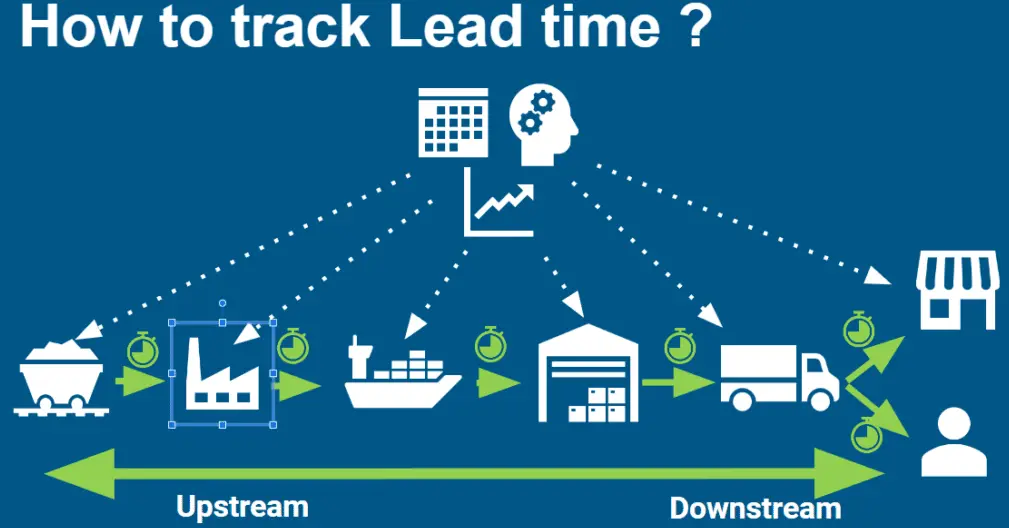
Amazon Lead Time Optimization involves streamlining the entire process from order placement to delivery, enabling faster and more efficient fulfillment for customers. By leveraging advanced analytics, predictive inventory management, and enhanced supplier collaboration, Amazon minimizes delays in sourcing, processing, and shipping. This approach not only reduces lead times—such as shortening the wait from days to hours—but also cuts operational costs, improves inventory accuracy, and boosts customer satisfaction through reliable on-time deliveries. Ultimately, it strengthens Amazon’s competitive edge in the e-commerce landscape by ensuring seamless supply chain efficiency and adaptability to fluctuating demand.
Table of Contents
- Part 1: OnlineExamMaker AI Quiz Generator – The Easiest Way to Make Quizzes Online
- Part 2: 20 Amazon Lead Time Optimization Quiz Questions & Answers
- Part 3: Save Time and Energy: Generate Quiz Questions with AI Technology
Part 1: OnlineExamMaker AI Quiz Generator – The Easiest Way to Make Quizzes Online
When it comes to ease of creating a Amazon Lead Time Optimization skills assessment, OnlineExamMaker is one of the best AI-powered quiz making software for your institutions or businesses. With its AI Question Generator, just upload a document or input keywords about your assessment topic, you can generate high-quality quiz questions on any topic, difficulty level, and format.
What you will like:
● AI Question Generator to help you save time in creating quiz questions automatically.
● Share your online exam with audiences on social platforms like Facebook, Twitter, Reddit and more.
● Display the feedback for correct or incorrect answers instantly after a question is answered.
● Create a lead generation form to collect an exam taker’s information, such as email, mobile phone, work title, company profile and so on.
Automatically generate questions using AI
Part 2: 20 Amazon Lead Time Optimization Quiz Questions & Answers
or
Question 1:
What is lead time in the context of Amazon’s supply chain?
A. The time from when a product is manufactured to when it is sold
B. The time between placing an order and receiving the product
C. The duration a product spends in Amazon’s warehouse
D. The time taken for customer reviews to appear on a product page
Answer: B
Explanation: Lead time specifically refers to the period from order placement to delivery, which is critical for Amazon to ensure customer satisfaction and efficient inventory management.
Question 2:
Which Amazon program is primarily designed to reduce lead times for sellers by handling storage and shipping?
A. Amazon Advertising
B. Fulfillment by Amazon (FBA)
C. Amazon Prime Video
D. Amazon Business
Answer: B
Explanation: FBA allows Amazon to store, pack, and ship products directly, streamlining the process and reducing lead times compared to seller-fulfilled options.
Question 3:
How does accurate demand forecasting help optimize lead times on Amazon?
A. By increasing warehouse space
B. By ensuring stock is available closer to the point of sale
C. By raising product prices
D. By delaying supplier orders
Answer: B
Explanation: Accurate forecasting prevents stockouts and overstocking, allowing inventory to be placed in optimal locations, which shortens the time from order to delivery.
Question 4:
What is a key factor that can increase lead times in Amazon’s international shipping?
A. High customer demand
B. Customs delays and regulations
C. Frequent product updates
D. Increased advertising
Answer: B
Explanation: Customs processes and varying international regulations can cause unpredictable delays, extending lead times and affecting delivery reliability.
Question 5:
Which inventory strategy does Amazon use to minimize lead times for high-demand products?
A. Just-in-case inventory
B. Just-in-time inventory
C. Bulk purchasing
D. Seasonal storage
Answer: B
Explanation: Just-in-time inventory ensures products are ordered and received only as needed, reducing storage time and costs while keeping lead times short.
Question 6:
How does Amazon’s network of fulfillment centers impact lead time optimization?
A. By centralizing all inventory in one location
B. By distributing inventory closer to customers
C. By slowing down shipping processes
D. By increasing reliance on third-party logistics
Answer: B
Explanation: Strategically placed fulfillment centers allow for faster shipping and reduced transit times, directly optimizing lead times for regional customers.
Question 7:
What role does transportation mode selection play in Amazon’s lead time optimization?
A. It has no impact on delivery speed
B. Choosing air freight over sea freight for urgent orders
C. Focusing only on cost without considering speed
D. Using slower methods to save money
Answer: B
Explanation: Selecting faster transportation modes like air freight for time-sensitive shipments helps reduce overall lead times, balancing speed and cost.
Question 8:
Which metric is most commonly used to measure lead time in Amazon’s operations?
A. Order-to-delivery time
B. Customer satisfaction score
C. Product return rate
D. Warehouse occupancy rate
Answer: A
Explanation: Order-to-delivery time directly quantifies the lead time, allowing Amazon to track and improve efficiency in the supply chain.
Question 9:
How can supplier relationships be optimized to reduce lead times on Amazon?
A. By switching suppliers frequently
B. By establishing reliable, on-time delivery partnerships
C. By increasing order quantities regardless of need
D. By minimizing communication with suppliers
Answer: B
Explanation: Strong supplier relationships ensure consistent and timely deliveries, which shortens the procurement phase of lead time.
Question 10:
What is the primary benefit of using Amazon’s machine learning for lead time optimization?
A. It predicts demand more accurately
B. It eliminates the need for warehouses
C. It focuses on marketing strategies
D. It increases product prices
Answer: A
Explanation: Machine learning analyzes data to forecast demand and adjust inventory, preventing delays caused by stock shortages and optimizing lead times.
Question 11:
In Amazon’s context, how does automation in warehouses affect lead times?
A. It slows down picking and packing processes
B. It speeds up order fulfillment through robotic systems
C. It requires more human intervention
D. It increases storage costs
Answer: B
Explanation: Automation tools like robots for sorting and packing reduce manual errors and processing time, leading to shorter lead times.
Question 12:
Which external factor can most significantly extend lead times for Amazon deliveries?
A. Peak shopping seasons
B. Weather disruptions
C. Product popularity
D. Customer reviews
Answer: B
Explanation: Weather events can delay transportation and logistics, directly impacting lead times and requiring contingency planning.
Question 13:
How does Amazon Prime membership influence lead time expectations?
A. It has no effect on delivery times
B. It guarantees faster shipping options
C. It increases lead times for non-members
D. It focuses on product quality instead
Answer: B
Explanation: Prime offers expedited shipping, which sets higher standards for lead time optimization and encourages faster fulfillment processes.
Question 14:
What strategy does Amazon employ to optimize lead times for seasonal products?
A. Overstocking year-round
B. Pre-positioning inventory before peak seasons
C. Ignoring demand patterns
D. Shipping from distant warehouses
Answer: B
Explanation: Pre-positioning inventory in advance ensures that seasonal products are readily available, reducing lead times during high-demand periods.
Question 15:
How can reducing safety stock levels help in lead time optimization?
A. By increasing storage costs
B. By minimizing excess inventory and freeing up resources
C. By delaying orders to suppliers
D. By focusing on non-essential products
Answer: B
Explanation: Lower safety stock reduces holding time and costs, allowing for quicker inventory turnover and shorter overall lead times.
Question 16:
What is the impact of poor route optimization on Amazon’s lead times?
A. It improves delivery efficiency
B. It leads to longer travel distances and delays
C. It reduces fuel costs
D. It enhances customer communication
Answer: B
Explanation: Inefficient routes increase transit times, which extends lead times; optimized routing uses algorithms to minimize distances and delays.
Question 17:
How does collaboration with third-party logistics providers aid in lead time optimization?
A. By limiting shipping options
B. By expanding delivery networks and sharing resources
C. By increasing reliance on in-house teams
D. By slowing down international shipments
Answer: B
Explanation: Partnering with third-party providers allows access to broader logistics capabilities, enabling faster and more flexible delivery options.
Question 18:
Which Amazon tool helps sellers track and reduce lead times?
A. Amazon Seller Central
B. Amazon Inventory Management
C. Amazon Music
D. Amazon Photos
Answer: B
Explanation: Inventory Management tools provide real-time data on stock levels and fulfillment, helping sellers adjust practices to shorten lead times.
Question 19:
How does customer location data contribute to lead time optimization on Amazon?
A. It is irrelevant to shipping
B. It allows for dynamic routing and inventory placement
C. It only affects marketing
D. It increases delivery costs
Answer: B
Explanation: Using customer location data, Amazon can position inventory nearer to high-demand areas, reducing transit times and optimizing lead times.
Question 20:
What is a potential downside of aggressively optimizing lead times on Amazon?
A. Increased customer satisfaction
B. Higher operational costs due to faster shipping methods
C. Improved supplier relations
D. Reduced inventory needs
Answer: B
Explanation: While optimization speeds up delivery, it can raise costs for premium shipping or more fulfillment centers, requiring a balance for profitability.
or
Part 3: Save Time and Energy: Generate Quiz Questions with AI Technology
Automatically generate questions using AI