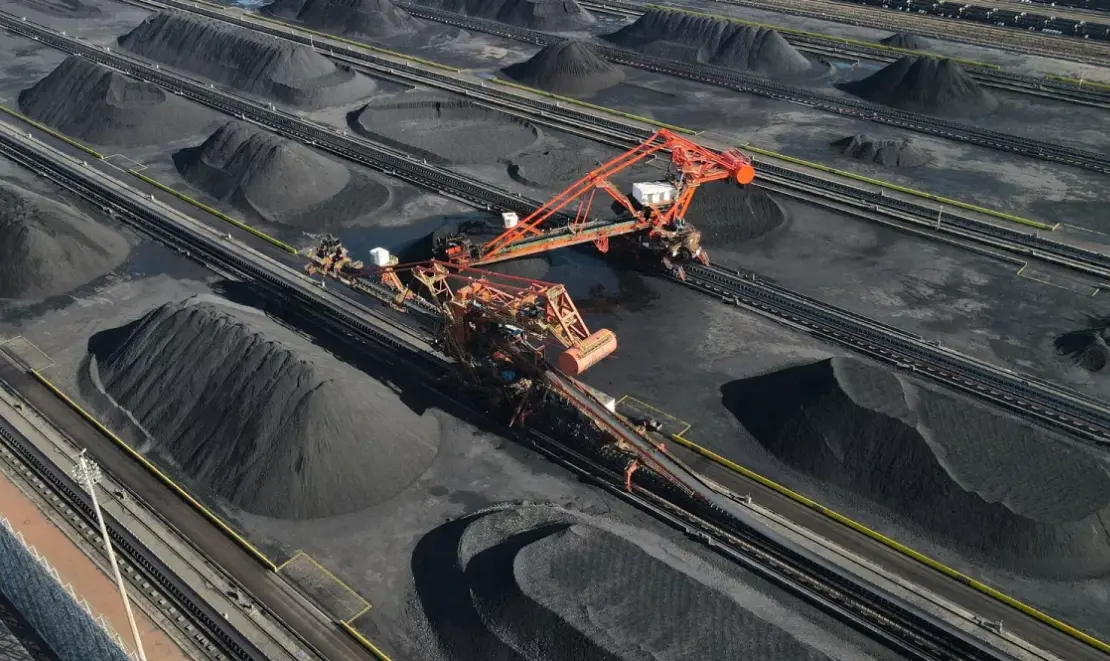
The coal industry encompasses the extraction, processing, and distribution of coal, a fossil fuel formed from ancient plant remains and used primarily for electricity generation, steel production, and industrial heating. Coal is categorized into types such as anthracite (highest carbon content and energy value), bituminous, sub-bituminous, and lignite (lowest quality), with global reserves estimated at over 1.1 trillion metric tons, predominantly in countries like the United States, China, India, and Australia.
Historically, coal fueled the Industrial Revolution in the 18th and 19th centuries, powering steam engines and factories, and remains a cornerstone of energy in many developing nations. Major producers include China, which accounts for over half of global coal production, followed by India, the United States, and Indonesia. The industry generates significant economic value, contributing to GDP in coal-dependent regions through jobs in mining, transportation, and related sectors, though it faces challenges like volatile prices and market fluctuations.
Environmentally, coal is a major emitter of carbon dioxide and other pollutants, contributing to climate change, air pollution, and health issues. Efforts to mitigate these impacts include cleaner technologies like carbon capture and storage (CCS) and transitioning to lower-emission alternatives. The global shift toward renewable energy sources, such as wind and solar, has led to declining coal demand, with many countries phasing out coal-fired power plants to meet Paris Agreement goals.
Despite these trends, coal continues to play a role in energy security for emerging economies, with future prospects hinging on technological advancements, regulatory policies, and the balance between economic needs and environmental sustainability. As of 2023, the industry is adapting through diversification into metallurgical coal for steelmaking and exploring sustainable mining practices.
Table of Contents
- Part 1: Best AI Quiz Making Software for Creating A Coal Industry Quiz
- Part 2: 20 Coal Industry Quiz Questions & Answers
- Part 3: OnlineExamMaker AI Question Generator: Generate Questions for Any Topic
Part 1: Best AI Quiz Making Software for Creating A Coal Industry Quiz
Nowadays more and more people create Coal Industry quizzes using AI technologies, OnlineExamMaker a powerful AI-based quiz making tool that can save you time and efforts. The software makes it simple to design and launch interactive quizzes, assessments, and surveys. With the Question Editor, you can create multiple-choice, open-ended, matching, sequencing and many other types of questions for your tests, exams and inventories. You are allowed to enhance quizzes with multimedia elements like images, audio, and video to make them more interactive and visually appealing.
Take a product tour of OnlineExamMaker:
● Create a question pool through the question bank and specify how many questions you want to be randomly selected among these questions.
● Build and store questions in a centralized portal, tagged by categories and keywords for easy reuse and organization.
● Simply copy a few lines of codes, and add them to a web page, you can present your online quiz in your website, blog, or landing page.
● Randomize questions or change the order of questions to ensure exam takers don’t get the same set of questions each time.
Automatically generate questions using AI
Part 2: 20 Coal Industry Quiz Questions & Answers
or
1. Question: What is coal primarily composed of?
A. Silicon and oxygen
B. Carbon and hydrocarbons
C. Hydrogen and nitrogen
D. Iron and sulfur
Answer: B
Explanation: Coal is primarily composed of carbon and hydrocarbons formed from ancient plant remains, making it a fossil fuel used for energy production.
2. Question: Which type of coal has the highest carbon content?
A. Lignite
B. Bituminous
C. Sub-bituminous
D. Anthracite
Answer: D
Explanation: Anthracite has the highest carbon content, typically over 90%, making it the hardest and cleanest-burning type of coal.
3. Question: What geological process is responsible for the formation of coal?
A. Volcanic activity
B. Sedimentation and compression
C. Erosion by rivers
D. Tectonic plate collisions
Answer: B
Explanation: Coal forms through sedimentation and compression of plant material over millions of years, turning organic matter into fossil fuels under heat and pressure.
4. Question: Which country is the largest producer of coal in the world?
A. United States
B. Australia
C. India
D. China
Answer: D
Explanation: China is the largest producer of coal, accounting for over half of global production due to its heavy reliance on coal for energy and industrial needs.
5. Question: What is the primary environmental concern associated with coal mining?
A. Deforestation
B. Acid rain from sulfur emissions
C. Ocean acidification
D. Noise pollution
Answer: B
Explanation: Coal mining releases sulfur dioxide, which contributes to acid rain, damaging ecosystems, water bodies, and soil.
6. Question: Which method of coal extraction involves removing overburden to access coal seams?
A. Underground mining
B. Shaft mining
C. Surface mining
D. In-situ leaching
Answer: C
Explanation: Surface mining, such as strip mining, removes the soil and rock overlaying coal seams, making it efficient for shallow deposits.
7. Question: What is the main use of coal in electricity generation?
A. Direct combustion in engines
B. Burning to produce steam for turbines
C. Chemical reactions for batteries
D. Solar panel production
Answer: B
Explanation: Coal is burned to produce steam, which drives turbines in power plants to generate electricity, though it’s a major source of greenhouse gases.
8. Question: Which gas is a primary byproduct of coal combustion?
A. Oxygen
B. Carbon dioxide
C. Helium
D. Nitrogen
Answer: B
Explanation: Coal combustion releases carbon dioxide, a greenhouse gas that contributes significantly to global warming and climate change.
9. Question: What safety hazard is most common in underground coal mines?
A. Flooding
B. Methane gas explosions
C. Excessive heat
D. Wildlife attacks
Answer: B
Explanation: Methane gas, a natural component of coal seams, can accumulate and explode if not properly ventilated, leading to frequent mining accidents.
10. Question: How does coal rank as a global energy source?
A. Least used fossil fuel
B. Second most used after oil
C. Primary renewable source
D. Only used in developing countries
Answer: B
Explanation: Coal is the second most used fossil fuel globally after oil, providing a significant portion of the world’s electricity but declining due to environmental concerns.
11. Question: What is the term for the process of converting coal into a gas?
A. Liquefaction
B. Gasification
C. Carbonization
D. Combustion
Answer: B
Explanation: Gasification converts coal into synthesis gas (syngas) for cleaner energy production or chemical manufacturing, reducing direct emissions.
12. Question: Which factor has led to a decline in coal usage in some countries?
A. Increased coal reserves
B. Stricter environmental regulations
C. Lower coal prices
D. Expansion of coal mining
Answer: B
Explanation: Stricter environmental regulations, such as emissions standards, have promoted cleaner energy alternatives, reducing coal dependency in many regions.
13. Question: What is the primary economic benefit of the coal industry?
A. Job creation in rural areas
B. Export revenue for countries
C. Reduced energy costs
D. All of the above
Answer: D
Explanation: The coal industry provides job creation, export revenue, and lower energy costs, though these benefits are offset by environmental and health costs.
14. Question: During which historical period did coal become a major energy source?
A. Ancient Rome
B. Industrial Revolution
C. Renaissance
D. Middle Ages
Answer: B
Explanation: The Industrial Revolution saw coal as a key energy source for steam engines, powering factories and transportation in the 18th and 19th centuries.
15. Question: What is “black lung disease” associated with?
A. Coal mining workers
B. Oil refinery workers
C. Solar panel manufacturers
D. Wind turbine operators
Answer: A
Explanation: Black lung disease, or pneumoconiosis, results from inhaling coal dust over time, causing respiratory issues among coal miners.
16. Question: Which technology helps reduce emissions from coal power plants?
A. Carbon capture and storage (CCS)
B. Nuclear fusion
C. Hydroelectric dams
D. Wind farms
Answer: A
Explanation: Carbon capture and storage technology captures carbon dioxide from coal emissions and stores it underground, mitigating climate impact.
17. Question: What is the estimated global coal reserve lifespan at current usage rates?
A. 50-100 years
B. 200-300 years
C. Over 500 years
D. Less than 20 years
Answer: A
Explanation: At current usage rates, global coal reserves are estimated to last 50-100 years, depending on consumption and discovery of new deposits.
18. Question: How is coal primarily transported from mines?
A. Pipelines
B. Railroads and ships
C. Air freight
D. Road trucks only
Answer: B
Explanation: Coal is mainly transported via railroads and ships for efficiency and cost, especially for long distances and international trade.
19. Question: What byproduct of coal processing is used in steel production?
A. Coke
B. Ash
C. Slag
D. Tar
Answer: A
Explanation: Coke, produced by heating coal in the absence of air, is a key reducing agent in steel production, removing oxygen from iron ore.
20. Question: Why is coal considered a non-renewable resource?
A. It regenerates quickly
B. Formation takes millions of years
C. It is infinite in supply
D. It can be recycled
Answer: B
Explanation: Coal is non-renewable because its formation from ancient organic matter takes millions of years, far exceeding the rate of human consumption.
or
Part 3: OnlineExamMaker AI Question Generator: Generate Questions for Any Topic
Automatically generate questions using AI