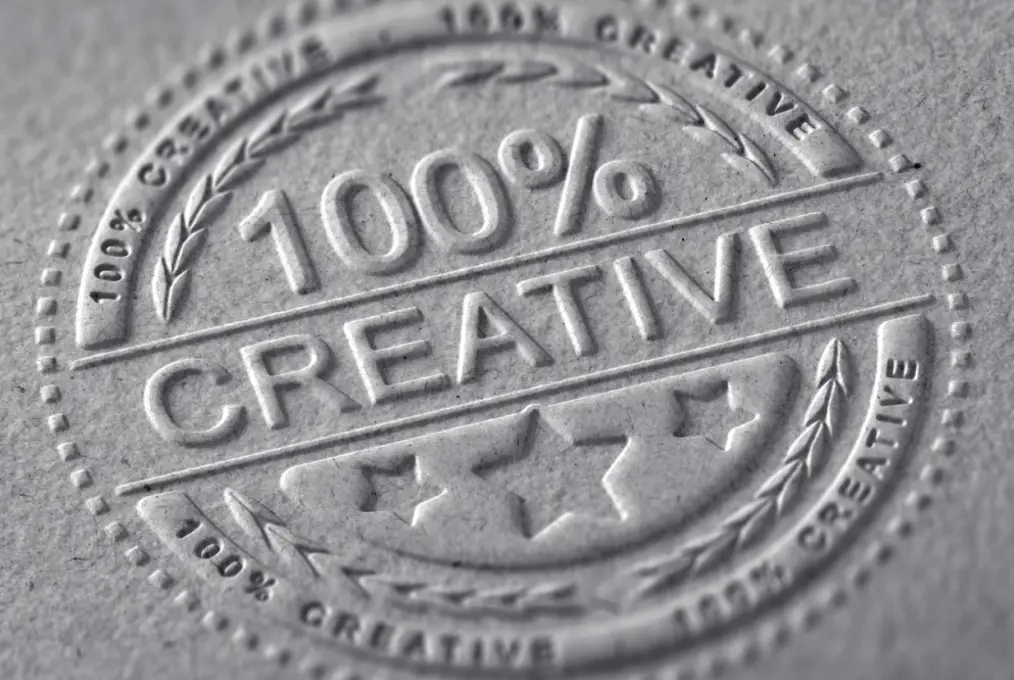
Embossing is a versatile technique used to create raised designs on various materials, adding texture and depth for aesthetic or functional purposes. In this process, a die or stamp is pressed into the surface under heat and pressure, displacing the material to form a three-dimensional pattern. Commonly applied in paper crafting for invitations and business cards, it also enhances products in metalworking, leather goods, and textiles, providing a tactile and visually striking effect that elevates the overall quality and appeal.
Table of Contents
- Part 1: Create A Embossing Quiz in Minutes Using AI with OnlineExamMaker
- Part 2: 20 Embossing Quiz Questions & Answers
- Part 3: Save Time and Energy: Generate Quiz Questions with AI Technology
Part 1: Create A Embossing Quiz in Minutes Using AI with OnlineExamMaker
When it comes to ease of creating a Embossing skills assessment, OnlineExamMaker is one of the best AI-powered quiz making software for your institutions or businesses. With its AI Question Generator, just upload a document or input keywords about your assessment topic, you can generate high-quality quiz questions on any topic, difficulty level, and format.
Overview of its key assessment-related features:
● AI Question Generator to help you save time in creating quiz questions automatically.
● Share your online exam with audiences on social platforms like Facebook, Twitter, Reddit and more.
● Instantly scores objective questions and subjective answers use rubric-based scoring for consistency.
● Simply copy and insert a few lines of embed codes to display your online exams on your website or WordPress blog.
Automatically generate questions using AI
Part 2: 20 Embossing Quiz Questions & Answers
or
1. Question: What is embossing?
A. A technique to create raised designs on a surface
B. A method of printing flat images
C. A process of cutting paper
D. A way to glue materials together
Answer: A
Explanation: Embossing involves pressing a design into a material to create a raised effect, commonly used in printing and crafting.
2. Question: Which material is commonly used for embossing in the printing industry?
A. Fabric
B. Paper
C. Glass
D. Wood
Answer: B
Explanation: Paper is a primary material for embossing because it can be easily manipulated with heat and pressure to form raised patterns.
3. Question: What is blind embossing?
A. Embossing with colored ink
B. Embossing without any added color, just the raised design
C. Embossing on metal surfaces
D. Embossing with foil
Answer: B
Explanation: Blind embossing creates a raised design without ink or foil, relying solely on the impression for visibility.
4. Question: In embossing, what role does a die play?
A. It holds the paper in place
B. It is the engraved plate that creates the design
C. It applies ink to the surface
D. It cuts the material
Answer: B
Explanation: A die is a custom-engraved tool that presses into the material to form the embossed design.
5. Question: Which technique combines embossing with metallic foil?
A. Blind embossing
B. Foil embossing
C. Debossing
D. Letterpress
Answer: B
Explanation: Foil embossing uses heat and pressure to apply a metallic foil to the raised design, adding shine and color.
6. Question: What is the difference between embossing and debossing?
A. Embossing raises the design, while debossing indents it
B. Both are the same
C. Debossing uses ink, embossing does not
D. Embossing is for metal, debossing for paper
Answer: A
Explanation: Embossing creates a raised effect, whereas debossing presses the design into the material, creating an indented appearance.
7. Question: Embossing is often used in which industry for branding?
A. Automotive
B. Packaging and stationery
C. Electronics
D. Food production
Answer: B
Explanation: In packaging and stationery, embossing adds a tactile, premium feel to logos and designs for branding purposes.
8. Question: What temperature is typically required for hot embossing?
A. Room temperature
B. Below freezing
C. Around 100-200 degrees Celsius
D. Over 500 degrees Celsius
Answer: C
Explanation: Hot embossing uses heat (usually 100-200 degrees Celsius) to soften the material and create the raised design effectively.
9. Question: Which tool is essential for manual embossing?
A. Printer
B. Stylus or embossing tool
C. Paintbrush
D. Scissors
Answer: B
Explanation: A stylus or embossing tool is used to manually press designs into materials like clay or foil.
10. Question: In jewelry making, what is embossing often applied to?
A. Stones
B. Metals like gold or silver
C. Fabric
D. Plastic
Answer: B
Explanation: Embossing on metals creates intricate patterns and textures, enhancing the aesthetic value of jewelry.
11. Question: What is the purpose of counters in embossing?
A. To add color
B. To provide support on the opposite side of the material
C. To cut the design
D. To clean the die
Answer: B
Explanation: Counters are used as the backing plate to ensure even pressure and a clean, precise embossed design.
12. Question: Which historical period popularized embossing in bookbinding?
A. Ancient Egypt
B. Medieval Europe
C. The Renaissance
D. The Industrial Revolution
Answer: D
Explanation: The Industrial Revolution advanced embossing techniques, making it common for decorative book covers and bindings.
13. Question: Can embossing be done on digital prints?
A. Yes, with specialized equipment
B. No, it’s only for traditional printing
C. Yes, but only on fabric
D. No, it requires hand-drawing
Answer: A
Explanation: Digital embossing uses modern machines to apply the technique to printed materials, combining technology with traditional methods.
14. Question: What effect does embossing add to business cards?
A. A glossy finish
B. A tactile, three-dimensional feel
C. A waterproof layer
D. A colorful pattern
Answer: B
Explanation: Embossing on business cards creates a raised design that enhances touch and visual appeal, making them stand out.
15. Question: Which factor can affect the quality of an embossed design?
A. The color of the material
B. The thickness and type of material
C. The size of the room
D. The lighting in the workspace
Answer: B
Explanation: The thickness and type of material determine how well it holds the embossed shape without cracking or distorting.
16. Question: What is foil stamping in relation to embossing?
A. A separate process
B. Often combined with embossing for added effect
C. Only used for debossing
D. A method of painting
Answer: B
Explanation: Foil stamping is frequently paired with embossing to apply metallic or colored foils to the raised areas for enhanced visuals.
17. Question: In scrapbooking, why is embossing popular?
A. It adds weight to pages
B. It creates decorative, textured elements
C. It makes pages transparent
D. It reduces the size of designs
Answer: B
Explanation: Embossing in scrapbooking provides a personalized, three-dimensional texture that elevates creative projects.
18. Question: What safety precaution is important when using hot embossing tools?
A. Wearing gloves to avoid burns
B. Working in a dark room
C. Using water nearby
D. Keeping tools dry
Answer: A
Explanation: Hot embossing involves high temperatures, so wearing protective gloves prevents burns from the heated equipment.
19. Question: How does embossing enhance product packaging?
A. By making it cheaper
B. By adding durability and a luxurious feel
C. By reducing the need for labels
D. By making it invisible
Answer: B
Explanation: Embossing on packaging creates a premium, tactile experience that attracts consumers and improves perceived value.
20. Question: What is the first step in the embossing process for paper?
A. Applying ink
B. Designing the die
C. Pressing the material
D. Cutting the paper
Answer: B
Explanation: Before pressing, a custom die must be designed and created to ensure the embossed design is accurate and effective.
or
Part 3: Save Time and Energy: Generate Quiz Questions with AI Technology
Automatically generate questions using AI