The canning industry involves the preservation of food by sealing it in airtight containers, primarily metal cans, to extend shelf life and ensure safety for consumption. Originating in the late 18th century with Nicolas Appert’s invention of food preservation through heat processing, it revolutionized global food distribution by enabling long-term storage without refrigeration.
Key processes include preparation (cleaning, cutting, and blanching ingredients), filling containers, sealing, and sterilization via retorting or high-pressure processing to kill bacteria and enzymes. This method maintains nutritional value, flavor, and texture while preventing spoilage.
The industry encompasses a wide range of products, such as canned fruits (e.g., peaches, pineapples), vegetables (e.g., beans, corn), meats (e.g., tuna, spam), soups, and ready-to-eat meals. Major global players include companies like Campbell’s, Del Monte, and Nestlé, which dominate markets in North America, Europe, and Asia-Pacific.
Economically, the canning sector is valued at over $100 billion annually, supporting millions of jobs in agriculture, manufacturing, and logistics. It plays a crucial role in food security, especially in regions with limited fresh produce access, and contributes to export economies in countries like the United States, Thailand, and Italy.
Challenges include environmental concerns from metal waste and energy-intensive production, prompting innovations like recyclable aluminum cans, BPA-free linings, and sustainable packaging alternatives. The rise of plant-based and organic canned goods reflects shifting consumer preferences toward healthier, eco-friendly options.
Future trends involve automation, blockchain for supply chain transparency, and integration with e-commerce, ensuring the industry’s adaptability in a competitive food market. Overall, canning remains a vital, efficient method for preserving food quality and accessibility worldwide.
Table of Contents
- Part 1: Create An Amazing Canning Industry Quiz Using AI Instantly in OnlineExamMaker
- Part 2: 20 Canning Industry Quiz Questions & Answers
- Part 3: AI Question Generator – Automatically Create Questions for Your Next Assessment
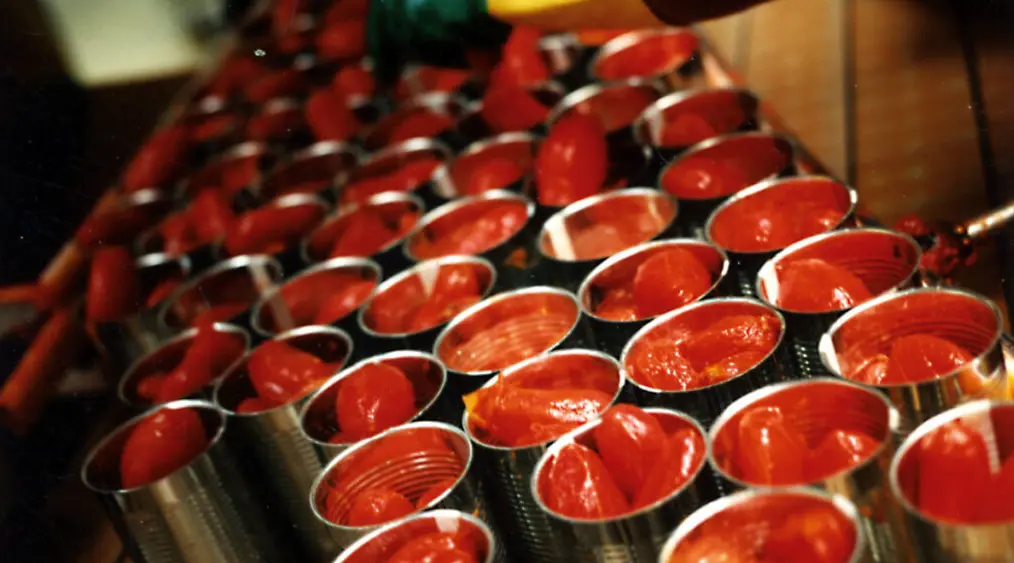
Part 1: Create An Amazing Canning Industry Quiz Using AI Instantly in OnlineExamMaker
The quickest way to assess the Canning Industry knowledge of candidates is using an AI assessment platform like OnlineExamMaker. With OnlineExamMaker AI Question Generator, you are able to input content—like text, documents, or topics—and then automatically generate questions in various formats (multiple-choice, true/false, short answer). Its AI Exam Grader can automatically grade the exam and generate insightful reports after your candidate submit the assessment.
Overview of its key assessment-related features:
● Create up to 10 question types, including multiple-choice, true/false, fill-in-the-blank, matching, short answer, and essay questions.
● Automatically generates detailed reports—individual scores, question report, and group performance.
● Instantly scores objective questions and subjective answers use rubric-based scoring for consistency.
● API and SSO help trainers integrate OnlineExamMaker with Google Classroom, Microsoft Teams, CRM and more.
Automatically generate questions using AI
Part 2: 20 Canning Industry Quiz Questions & Answers
or
Question 1:
What is the primary purpose of canning in the food industry?
A. To enhance the flavor of food
B. To preserve food by sealing it in airtight containers
C. To increase the nutritional value of food
D. To change the texture of food
Answer: B
Explanation: Canning preserves food by heating it to destroy microorganisms and then sealing it in airtight containers, preventing spoilage and extending shelf life.
Question 2:
Who is credited with inventing the modern canning process?
A. Louis Pasteur
B. Nicolas Appert
C. James Prescott Joule
D. Alexander Fleming
Answer: B
Explanation: Nicolas Appert developed the first practical method of canning in 1809 by preserving food in glass jars sealed with cork and wax, which laid the foundation for the canning industry.
Question 3:
What is the main difference between water bath canning and pressure canning?
A. Water bath canning is faster
B. Pressure canning is used for low-acid foods to reach higher temperatures
C. Water bath canning requires more equipment
D. Pressure canning is only for fruits
Answer: B
Explanation: Pressure canning is necessary for low-acid foods like vegetables and meats because it achieves temperatures above 212°F (100°C) to kill harmful bacteria, while water bath canning is suitable for high-acid foods like fruits.
Question 4:
Which factor is most critical in determining the canning method for a food item?
A. The color of the food
B. The pH level (acidity) of the food
C. The size of the food pieces
D. The original packaging of the food
Answer: B
Explanation: The pH level determines whether high-acid foods (pH below 4.6) can be safely processed with water bath canning or if low-acid foods require pressure canning to prevent botulism.
Question 5:
What role does headspace play in the canning process?
A. It adds extra flavor to the food
B. It allows for expansion of contents during processing
C. It prevents the jar from sealing properly
D. It reduces the need for sterilization
Answer: B
Explanation: Proper headspace (the unfilled space at the top of the jar) accommodates the expansion of food and liquids during heating, ensuring a secure seal and preventing the jar from breaking.
Question 6:
Which type of container is most commonly used in commercial canning?
A. Plastic bags
B. Glass jars
C. Metal cans
D. Wooden barrels
Answer: C
Explanation: Metal cans are widely used in commercial canning due to their durability, ability to withstand high pressures, and effectiveness in maintaining an airtight seal for long-term storage.
Question 7:
What is the primary cause of botulism in canned foods?
A. Overheating during processing
B. Improper sealing of the container
C. Growth of Clostridium botulinum bacteria in low-acid environments
D. Exposure to sunlight
Answer: C
Explanation: Clostridium botulinum thrives in low-acid, anaerobic conditions, and if not destroyed by proper canning temperatures, it can produce a toxin leading to botulism, making it a key safety concern.
Question 8:
In canning, why is it important to use tested recipes?
A. To make the food taste better
B. To ensure the correct processing time and temperature for safety
C. To reduce the cost of ingredients
D. To vary the texture of the final product
Answer: B
Explanation: Tested recipes provide validated processing times and methods to eliminate pathogens, ensuring the canned food is safe to eat and preventing risks like spoilage or foodborne illness.
Question 9:
What does the term “retort” refer to in the canning industry?
A. A type of food additive
B. A high-pressure sterilization process for canned goods
C. The outer label on cans
D. A method for cooling jars after canning
Answer: B
Explanation: Retort processing involves heating sealed containers under high pressure to sterilize the contents, commonly used for low-acid foods to achieve the necessary temperatures for safety.
Question 10:
Which nutrient is most affected by the canning process?
A. Protein
B. Vitamins like vitamin C
C. Fiber
D. Minerals
Answer: B
Explanation: Heat-sensitive vitamins, such as vitamin C, can degrade during the high-temperature processing of canning, though the overall nutritional value of canned foods remains high if properly handled.
Question 11:
What is the typical shelf life of properly canned food at room temperature?
A. 1-2 months
B. 1-2 years
C. 5-10 years
D. Indefinite
Answer: B
Explanation: When canned correctly, most foods can last 1-2 years at room temperature due to the sterilization process that halts microbial growth, though quality may decline over time.
Question 12:
Why are acid levels adjusted in some canned products?
A. To improve the appearance
B. To prevent discoloration and ensure safety for low-acid foods
C. To make the food sweeter
D. To reduce processing time
Answer: B
Explanation: Adding acid, like lemon juice, to low-acid foods lowers the pH, making it safer for water bath canning and reducing the risk of bacterial growth, such as Clostridium botulinum.
Question 13:
What is the function of a canning lid’s sealing compound?
A. To add preservatives to the food
B. To create an airtight seal that prevents contamination
C. To decorate the jar
D. To measure the headspace
Answer: B
Explanation: The sealing compound on canning lids forms a vacuum seal when heated, blocking oxygen and microorganisms from entering, which is essential for preserving the food’s safety and quality.
Question 14:
In commercial canning, what does HACCP stand for and why is it important?
A. High Acid Canning Process; it speeds up production
B. Hazard Analysis and Critical Control Points; it ensures food safety
C. Home Appliance Canning Protocol; it standardizes home methods
D. Heat and Cool Preservation; it maintains temperature
Answer: B
Explanation: HACCP is a systematic approach to identify and control hazards in food production, including canning, to prevent biological, chemical, and physical risks, ensuring compliance with safety standards.
Question 15:
Which food category requires the longest processing time in pressure canning?
A. Fruits
B. Jams and jellies
C. Meats and poultry
D. Pickles
Answer: C
Explanation: Meats and poultry, being low-acid and dense, require longer processing times in pressure canning to ensure that all parts reach the temperature needed to destroy harmful bacteria.
Question 16:
What environmental benefit does canning provide compared to fresh produce?
A. It reduces water usage in farming
B. It minimizes food waste by extending shelf life
C. It eliminates the need for refrigeration
D. All of the above
Answer: D
Explanation: Canning extends the shelf life of food, reduces waste from spoilage, and often requires less energy for storage than refrigeration, contributing to overall environmental sustainability.
Question 17:
How does over-processing affect canned foods?
A. It improves texture
B. It can lead to nutrient loss and softer textures
C. It enhances flavor
D. It shortens shelf life
Answer: B
Explanation: Excessive heat during processing can break down vitamins, soften the food’s texture, and alter flavors, potentially reducing the quality even if it ensures safety.
Question 18:
What is the main advantage of using BPA-free cans?
A. They are cheaper to produce
B. They reduce health risks associated with chemical leaching
C. They allow for faster canning
D. They improve the taste of food
Answer: B
Explanation: BPA-free cans prevent the potential release of bisphenol A, a chemical that could leach into food and pose health risks, making them a safer option for consumers.
Question 19:
Why is it recommended to cool canned jars upside down?
A. To speed up the sealing process
B. It is not recommended; jars should cool upright
C. To prevent air bubbles
D. To mix the contents
Answer: B
Explanation: Jars should cool upright to allow proper vacuum sealing and prevent contamination; cooling upside down can introduce air or bacteria, compromising safety.
Question 20:
What is the key step in preparing food for canning to ensure quality?
A. Adding artificial colors
B. Blanching or pre-treating to remove enzymes and air
C. Freezing the food first
D. Over-seasoning for flavor
Answer: B
Explanation: Blanching or pre-treating removes enzymes that cause spoilage, expels air from the food, and helps maintain color, texture, and nutritional quality during the canning process.
or
Part 3: AI Question Generator – Automatically Create Questions for Your Next Assessment
Automatically generate questions using AI