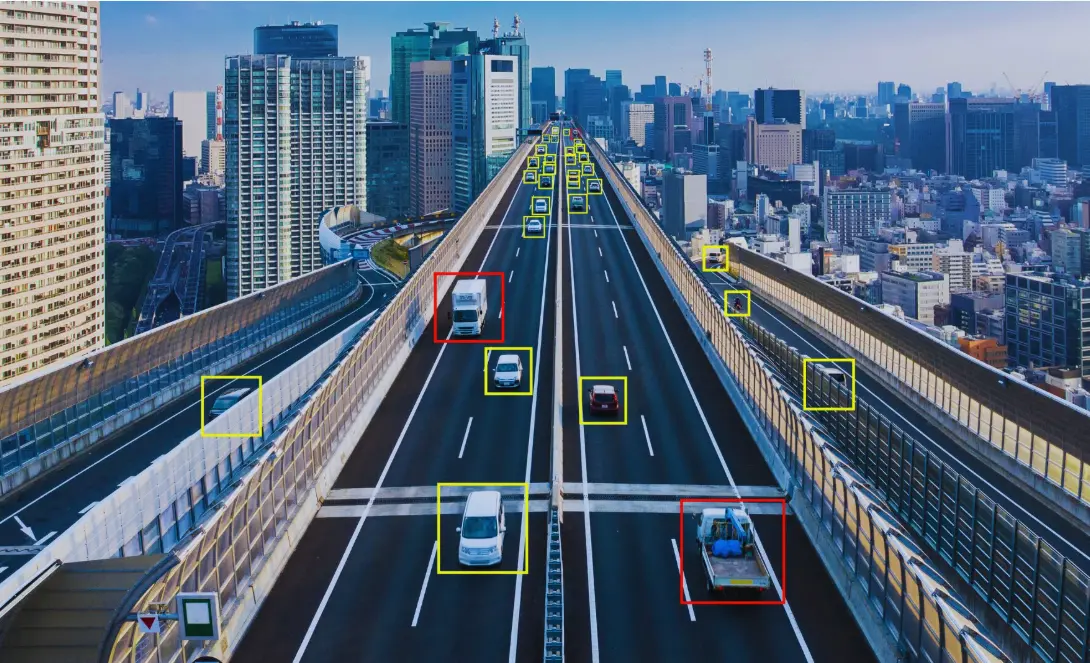
Intelligent Transportation Systems (ITS) represent a transformative integration of advanced technologies into transportation networks to enhance efficiency, safety, and sustainability. At its core, ITS leverages real-time data collection, communication systems, and intelligent decision-making to optimize traffic flow, reduce congestion, and minimize environmental impact.
Key components of ITS include:
– Sensors and Data Collection: Devices such as roadside cameras, vehicle-mounted sensors, and GPS units gather real-time information on traffic conditions, weather, and road status.
– Communication Infrastructure: Wireless networks enable vehicle-to-vehicle (V2V), vehicle-to-infrastructure (V2I), and vehicle-to-everything (V2X) communications, allowing for seamless data exchange.
– Advanced Analytics and AI: Algorithms process vast amounts of data to predict traffic patterns, detect incidents, and provide dynamic routing suggestions through applications like smart traffic signals and navigation apps.
– Applications: ITS powers features such as adaptive cruise control, automated tolling, public transit management, and emergency response systems, improving overall mobility.
Benefits of ITS include reduced travel times, lower emissions, enhanced road safety through accident prevention, and better resource allocation for infrastructure. As urban populations grow, ITS continues to evolve with emerging technologies like autonomous vehicles and 5G connectivity, paving the way for smarter, more resilient transportation ecosystems.
Table of Contents
- Part 1: Create An Amazing Intelligent Transportation System Quiz Using AI Instantly in OnlineExamMaker
- Part 2: 20 Intelligent Transportation System Quiz Questions & Answers
- Part 3: AI Question Generator – Automatically Create Questions for Your Next Assessment
Part 1: Create An Amazing Intelligent Transportation System Quiz Using AI Instantly in OnlineExamMaker
Nowadays more and more people create Intelligent Transportation System quizzes using AI technologies, OnlineExamMaker a powerful AI-based quiz making tool that can save you time and efforts. The software makes it simple to design and launch interactive quizzes, assessments, and surveys. With the Question Editor, you can create multiple-choice, open-ended, matching, sequencing and many other types of questions for your tests, exams and inventories. You are allowed to enhance quizzes with multimedia elements like images, audio, and video to make them more interactive and visually appealing.
Recommended features for you:
● Prevent cheating by randomizing questions or changing the order of questions, so learners don’t get the same set of questions each time.
● Automatically generates detailed reports—individual scores, question report, and group performance.
● Simply copy a few lines of codes, and add them to a web page, you can present your online quiz in your website, blog, or landing page.
● Offers question analysis to evaluate question performance and reliability, helping instructors optimize their training plan.
Automatically generate questions using AI
Part 2: 20 Intelligent Transportation System Quiz Questions & Answers
or
1. Question: What is the primary goal of Intelligent Transportation Systems (ITS)?
A. To reduce traffic congestion and improve safety
B. To increase vehicle speed limits
C. To eliminate all public transportation
D. To focus only on rural roads
Answer: A
Explanation: ITS aims to enhance transportation efficiency, safety, and sustainability by integrating advanced technologies like sensors and communication systems to manage traffic flow and reduce accidents.
2. Question: Which technology is commonly used in ITS for real-time traffic monitoring?
A. GPS tracking
B. Traditional road signs
C. Paper maps
D. Bicycle lanes
Answer: A
Explanation: GPS tracking provides real-time data on vehicle locations and speeds, allowing ITS to monitor and manage traffic dynamically.
3. Question: What does V2V communication in ITS stand for?
A. Vehicle-to-Vehicle
B. Vehicle-to-Vendor
C. Vision-to-Vehicle
D. Vehicle-to-Valve
Answer: A
Explanation: V2V communication enables vehicles to exchange data with each other, helping to prevent collisions and improve traffic flow.
4. Question: In ITS, what is the role of adaptive traffic signal control?
A. To adjust signal timings based on real-time traffic conditions
B. To keep signals fixed regardless of traffic
C. To only operate during peak hours
D. To signal only for emergency vehicles
Answer: A
Explanation: Adaptive traffic signal control uses sensors and algorithms to optimize signal timings, reducing wait times and congestion.
5. Question: Which component of ITS helps in providing real-time public transit information?
A. Automated Vehicle Location (AVL) systems
B. Manual scheduling boards
C. Road barriers
D. Parking meters
Answer: A
Explanation: AVL systems track the location of buses and trains, allowing passengers to access accurate arrival times via apps or displays.
6. Question: What is the main benefit of using ITS in emergency response?
A. Faster routing for ambulances and fire trucks
B. Slower speed limits in urban areas
C. Increased traffic during emergencies
D. Manual dispatching only
Answer: A
Explanation: ITS enables dynamic rerouting and priority signaling for emergency vehicles, reducing response times and saving lives.
7. Question: In ITS, what does the term “connected vehicles” refer to?
A. Vehicles that communicate with infrastructure and other vehicles
B. Vehicles without any electronic systems
C. Only electric cars
D. Vehicles used for internet delivery
Answer: A
Explanation: Connected vehicles use wireless technology to share data, enhancing safety features like collision avoidance.
8. Question: Which standard protocol is often used in ITS for communication between vehicles and infrastructure?
A. Dedicated Short-Range Communications (DSRC)
B. Bluetooth classic
C. AM radio signals
D. Wired Ethernet
Answer: A
Explanation: DSRC provides secure, short-range wireless communication for ITS applications like toll collection and traffic alerts.
9. Question: How does ITS contribute to environmental sustainability?
A. By optimizing routes to reduce fuel consumption and emissions
B. By encouraging more vehicle production
C. By increasing road construction
D. By promoting single-occupancy vehicles
Answer: A
Explanation: ITS uses data analytics to suggest efficient routes, lowering greenhouse gas emissions through better traffic management.
10. Question: What is a key feature of autonomous vehicles in ITS?
A. Ability to navigate without human intervention using sensors
B. Manual control only
C. Reliance on human drivers for all decisions
D. Limited to highways
Answer: A
Explanation: Autonomous vehicles in ITS employ sensors, AI, and mapping to operate safely and efficiently on various roads.
11. Question: In ITS, what is the purpose of traffic incident detection systems?
A. To identify accidents or breakdowns quickly and alert authorities
B. To ignore minor road issues
C. To focus only on weather conditions
D. To provide entertainment for drivers
Answer: A
Explanation: These systems use cameras and sensors to detect incidents, enabling rapid response and minimizing traffic disruptions.
12. Question: Which ITS application helps in managing parking in urban areas?
A. Smart parking systems with real-time availability sensors
B. Random parking assignments
C. Removing all parking spaces
D. Manual valet services only
Answer: A
Explanation: Smart parking systems use sensors to show available spots, reducing search time and emissions from circling vehicles.
13. Question: What role do big data analytics play in ITS?
A. Analyzing traffic patterns to predict and mitigate congestion
B. Storing data without processing
C. Focusing on small-scale data only
D. Ignoring historical trends
Answer: A
Explanation: Big data analytics in ITS process vast amounts of traffic data to forecast issues and optimize transportation networks.
14. Question: In ITS, how does vehicle-to-infrastructure (V2I) communication work?
A. Vehicles exchange data with road signs and traffic lights
B. Vehicles communicate only with other vehicles
C. Infrastructure remains static without updates
D. Only for pedestrian signals
Answer: A
Explanation: V2I allows vehicles to receive real-time information from infrastructure, such as speed limits or hazard warnings.
15. Question: What is the impact of ITS on road safety?
A. Reducing accidents through advanced warning systems
B. Increasing risky driving behaviors
C. Eliminating all driver training
D. Focusing only on speed enforcement
Answer: A
Explanation: ITS technologies like collision detection and alert systems help prevent crashes by providing drivers with timely information.
16. Question: Which technology is essential for ITS toll collection systems?
A. Electronic Toll Collection (ETC) using RFID tags
B. Cash-only booths
C. Manual ticket issuance
D. Paper-based logging
Answer: A
Explanation: ETC systems use RFID for seamless, contactless toll payments, reducing traffic backups at toll plazas.
17. Question: In ITS, what does the concept of mobility as a service (MaaS) involve?
A. Integrating various transport modes into a single accessible platform
B. Limiting transport options to private cars
C. Providing only bike-sharing services
D. Disconnected travel planning
Answer: A
Explanation: MaaS combines public transit, ridesharing, and biking into one app, making transportation more convenient and efficient.
18. Question: How does ITS support freight and logistics management?
A. By tracking shipments in real-time to optimize delivery routes
B. By increasing delivery delays
C. By using paper-based tracking only
D. By avoiding route planning
Answer: A
Explanation: ITS uses GPS and data analytics to monitor freight, reducing costs and improving supply chain efficiency.
19. Question: What is a challenge in implementing ITS worldwide?
A. Interoperability issues between different countries’ systems
B. No need for standardization
C. Unlimited funding availability
D. Simple plug-and-play setup
Answer: A
Explanation: Varying standards and technologies across regions create interoperability challenges, hindering seamless global ITS integration.
20. Question: In ITS, what is the function of advanced traveler information systems (ATIS)?
A. Providing drivers with real-time updates on weather, traffic, and routes
B. Offering no information to travelers
C. Focusing only on historical data
D. Limiting access to premium users
Answer: A
Explanation: ATIS delivers current information via apps or signs, helping travelers make informed decisions and avoid delays.
or
Part 3: AI Question Generator – Automatically Create Questions for Your Next Assessment
Automatically generate questions using AI