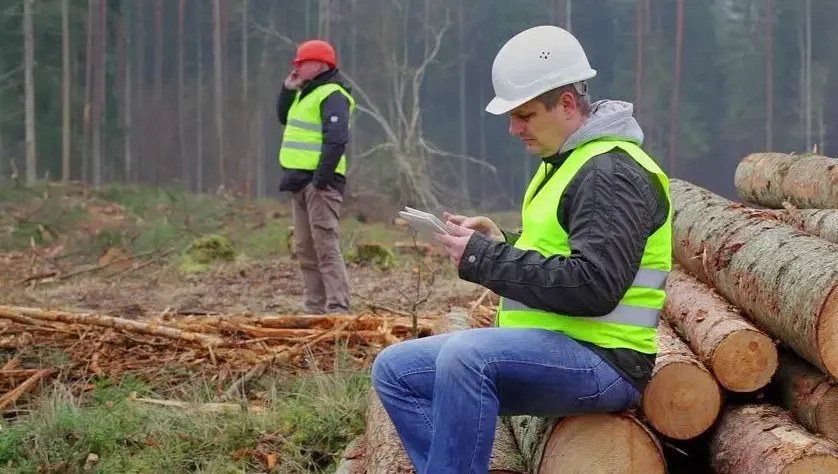
Forestry Engineering is a multidisciplinary field that applies engineering principles to the sustainable management and conservation of forest ecosystems. It involves designing and implementing strategies for timber harvesting, watershed protection, erosion control, and the development of infrastructure such as roads and bridges within forested areas. Forestry engineers also focus on optimizing resource use, preventing environmental degradation, and promoting biodiversity, all while balancing economic viability with ecological and social responsibilities. This discipline plays a crucial role in addressing challenges like climate change, deforestation, and natural resource depletion through innovative technologies and practices.
Table of Contents
- Part 1: OnlineExamMaker AI Quiz Generator – The Easiest Way to Make Quizzes Online
- Part 2: 20 Forestry Engineering Quiz Questions & Answers
- Part 3: Automatically Generate Quiz Questions Using AI Question Generator
Part 1: OnlineExamMaker AI Quiz Generator – The Easiest Way to Make Quizzes Online
Are you looking for an online assessment to test the Forestry Engineering skills of your learners? OnlineExamMaker uses artificial intelligence to help quiz organizers to create, manage, and analyze exams or tests automatically. Apart from AI features, OnlineExamMaker advanced security features such as full-screen lockdown browser, online webcam proctoring, and face ID recognition.
Take a product tour of OnlineExamMaker:
● Includes a safe exam browser (lockdown mode), webcam and screen recording, live monitoring, and chat oversight to prevent cheating.
● AI Exam Grader for efficiently grading quizzes and assignments, offering inline comments, automatic scoring, and “fudge points” for manual adjustments.
● Embed quizzes on websites, blogs, or share via email, social media (Facebook, Twitter), or direct links.
● Handles large-scale testing (thousands of exams/semester) without internet dependency, backed by cloud infrastructure.
Automatically generate questions using AI
Part 2: 20 Forestry Engineering Quiz Questions & Answers
or
1. Question: What is the primary purpose of silviculture in forestry engineering?
Options:
A. To maximize timber production
B. To control forest pests and diseases
C. To enhance the overall health and growth of forest stands
D. To focus on wildlife habitat creation
Answer: C
Explanation: Silviculture involves managing the establishment, growth, composition, and quality of forests, primarily to improve the health and productivity of forest stands.
2. Question: Which method is commonly used for estimating the volume of standing trees in a forest inventory?
Options:
A. Remote sensing
B. Smalian’s formula
C. Huber’s formula
D. Newton’s formula
Answer: C
Explanation: Huber’s formula is widely used for volume estimation of logs and trees by measuring the average cross-sectional area at the midpoint, providing an accurate calculation for tapered shapes.
3. Question: In forestry engineering, what does the term “clearcutting” refer to?
Options:
A. Selective removal of diseased trees
B. Complete removal of all trees in a designated area
C. Thinning of trees to reduce competition
D. Planting new trees in a barren area
Answer: B
Explanation: Clearcutting involves harvesting all trees in an area to promote regeneration, often used in even-aged management systems for species that require full sunlight.
4. Question: What is the main function of a forest road in engineering practices?
Options:
A. To provide habitats for wildlife
B. To facilitate timber extraction and access for management
C. To store water for irrigation
D. To monitor soil erosion
Answer: B
Explanation: Forest roads are designed to enable efficient transportation of timber and equipment, while minimizing environmental impact through proper engineering.
5. Question: Which soil conservation technique is most effective in preventing erosion on steep slopes in forested areas?
Options:
A. Contour plowing
B. Terracing
C. Strip cropping
D. Windbreaks
Answer: B
Explanation: Terracing creates level platforms on slopes, reducing runoff speed and preventing soil erosion, which is crucial for maintaining forest productivity.
6. Question: What does the term “crown cover” measure in forestry?
Options:
A. The density of tree branches
B. The percentage of ground shaded by tree canopies
C. The height of the tallest trees
D. The total leaf area index
Answer: B
Explanation: Crown cover indicates the proportion of the forest floor shaded by tree crowns, helping assess light availability and habitat conditions.
7. Question: In forest harvesting, what is the purpose of a skyline logging system?
Options:
A. To minimize ground disturbance
B. To increase timber yield
C. To extract logs from steep or inaccessible terrain
D. To promote natural regeneration
Answer: C
Explanation: Skyline logging uses cables and winches to transport logs above the ground, reducing soil compaction and erosion in challenging terrains.
8. Question: Which factor is most critical in determining the site index for a forest stand?
Options:
A. Soil pH levels
B. Tree species diversity
C. Dominant tree height at a specific age
D. Annual precipitation
Answer: C
Explanation: Site index is based on the average height of dominant trees at a benchmark age, serving as a measure of site quality for growth potential.
9. Question: What is the role of Geographic Information Systems (GIS) in forestry engineering?
Options:
A. To predict weather patterns
B. To map and analyze spatial data for forest management
C. To measure tree diameters directly
D. To control pest outbreaks
Answer: B
Explanation: GIS integrates spatial data to assist in planning, monitoring, and decision-making for sustainable forest management and resource allocation.
10. Question: Which practice is essential for sustainable forest management to maintain biodiversity?
Options:
A. Monoculture planting
B. Habitat corridor creation
C. Intensive harvesting
D. Soil compaction
Answer: B
Explanation: Habitat corridors connect fragmented forest areas, allowing wildlife movement and gene flow, which supports overall ecosystem biodiversity.
11. Question: In forestry engineering, what does “basal area” represent?
Options:
A. The total height of trees in a plot
B. The cross-sectional area of tree trunks at breast height
C. The volume of wood per hectare
D. The number of trees per acre
Answer: B
Explanation: Basal area measures the area of tree stems at 1.3 meters above ground, indicating stand density and competition for resources.
12. Question: What is the primary benefit of using prescribed burning in forest management?
Options:
A. To eliminate all vegetation
B. To reduce fuel loads and promote ecosystem health
C. To increase soil acidity
D. To harvest timber
Answer: B
Explanation: Prescribed burning controls understory growth, reduces wildfire risk, and enhances nutrient cycling, supporting long-term forest health.
13. Question: Which tree measurement tool is used to determine diameter at breast height (DBH)?
Options:
A. Clinometer
B. Diameter tape
C. Increment borer
D. Relascope
Answer: B
Explanation: A diameter tape measures the circumference of a tree at breast height, allowing accurate calculation of DBH for inventory purposes.
14. Question: What is the key objective of agroforestry in forestry engineering?
Options:
A. To maximize crop yields only
B. To integrate trees with agricultural practices for multiple benefits
C. To clear land for farming
D. To focus on urban tree planting
Answer: B
Explanation: Agroforestry combines trees and crops to improve soil fertility, provide shade, and diversify income, promoting sustainable land use.
15. Question: In watershed management, how does forestry engineering address water quality?
Options:
A. By increasing runoff through road building
B. By implementing buffer strips along streams
C. By promoting deforestation
D. By ignoring sediment control
Answer: B
Explanation: Buffer strips of vegetation filter pollutants and reduce erosion, maintaining water quality in forested watersheds.
16. Question: What does the term “rotation age” mean in even-aged forest management?
Options:
A. The time until trees are harvested
B. The age of the oldest tree
C. The period for natural regeneration
D. The cycle of pest attacks
Answer: A
Explanation: Rotation age is the planned duration from planting to harvesting in even-aged stands, ensuring sustainable timber production.
17. Question: Which remote sensing technology is most commonly used for monitoring forest health?
Options:
A. Satellite imagery
B. Ground-based radar
C. Acoustic sensors
D. Manual surveys
Answer: A
Explanation: Satellite imagery provides broad-scale data on vegetation indices, helping detect changes in forest health, such as disease or deforestation.
18. Question: In forest economics, what is the concept of “net present value” (NPV) used for?
Options:
A. To calculate immediate profits
B. To assess the profitability of long-term forest investments
C. To measure tree growth rates
D. To estimate soil nutrients
Answer: B
Explanation: NPV discounts future cash flows to present value, aiding in evaluating the economic viability of forestry projects over time.
19. Question: What is the main goal of reforestation efforts in degraded areas?
Options:
A. To increase recreational spaces
B. To restore ecological balance and productivity
C. To promote urbanization
D. To reduce wildlife populations
Answer: B
Explanation: Reforestation replants trees in degraded lands to recover biodiversity, soil stability, and ecosystem services.
20. Question: Which factor primarily influences the choice of harvesting method in forestry engineering?
Options:
A. Aesthetic value of the forest
B. Terrain, tree species, and environmental impact
C. Local weather patterns
D. Number of workers available
Answer: B
Explanation: The selection of harvesting methods depends on site-specific factors like slope and soil type to minimize ecological damage while maximizing efficiency.
or
Part 3: Automatically generate quiz questions using OnlineExamMaker AI Question Generator
Automatically generate questions using AI