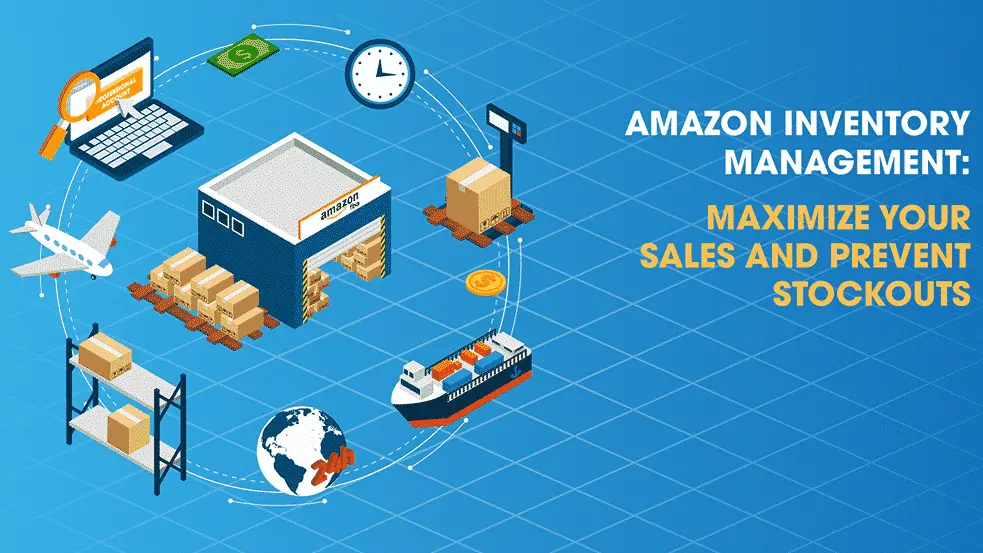
FBA Inventory Management refers to the systematic process of handling and optimizing stock for products sold through Amazon’s Fulfillment by Amazon (FBA) service. This involves sending inventory to Amazon’s fulfillment centers, where items are stored, picked, packed, and shipped directly to customers. Key aspects include monitoring stock levels in real-time via Amazon’s Seller Central dashboard, forecasting demand to prevent stockouts or overstocking, and utilizing tools like inventory reports and alerts to track performance metrics such as sales velocity, storage limits, and fees. Effective management helps sellers maintain product availability, reduce operational costs, and enhance customer satisfaction by ensuring timely deliveries and accurate order fulfillment. Best practices include regular inventory audits, strategic restocking plans, and integrating with software for automated tracking and analytics.
Table of Contents
- Part 1: Best AI Quiz Making Software for Creating A Fba Inventory Management Quiz
- Part 2: 20 Fba Inventory Management Quiz Questions & Answers
- Part 3: Save Time and Energy: Generate Quiz Questions with AI Technology
Part 1: Best AI Quiz Making Software for Creating A Fba Inventory Management Quiz
Nowadays more and more people create Fba Inventory Management quizzes using AI technologies, OnlineExamMaker a powerful AI-based quiz making tool that can save you time and efforts. The software makes it simple to design and launch interactive quizzes, assessments, and surveys. With the Question Editor, you can create multiple-choice, open-ended, matching, sequencing and many other types of questions for your tests, exams and inventories. You are allowed to enhance quizzes with multimedia elements like images, audio, and video to make them more interactive and visually appealing.
Take a product tour of OnlineExamMaker:
● Create a question pool through the question bank and specify how many questions you want to be randomly selected among these questions.
● Build and store questions in a centralized portal, tagged by categories and keywords for easy reuse and organization.
● Simply copy a few lines of codes, and add them to a web page, you can present your online quiz in your website, blog, or landing page.
● Randomize questions or change the order of questions to ensure exam takers don’t get the same set of questions each time.
Automatically generate questions using AI
Part 2: 20 Fba Inventory Management Quiz Questions & Answers
or
1. What is the primary benefit of using Amazon FBA for inventory management?
A) Free storage for all products
B) Handling of shipping and customer service by Amazon
C) Automatic price adjustments for products
D) Direct access to Amazon’s warehouses for sellers
Answer: B
Explanation: Amazon FBA allows sellers to outsource fulfillment tasks, including shipping, handling, and customer service, which helps streamline inventory management and improve efficiency.
2. How does Amazon calculate storage fees for FBA inventory?
A) Based on the weight of individual items
B) Based on the volume of space occupied by inventory
C) A flat fee per product regardless of size
D) Only during peak seasons
Answer: B
Explanation: Storage fees are calculated based on the cubic footage or volume that inventory occupies in Amazon’s fulfillment centers, with rates varying by month and item size.
3. What is a “stranded inventory” in FBA?
A) Products that are damaged during shipping
B) Inventory that cannot be sold due to listing issues
C) Overstocked items in high demand
D) Items returned by customers
Answer: B
Explanation: Stranded inventory refers to products in FBA warehouses that are not available for sale because of issues like incorrect listings, ASIN mismatches, or other errors, leading to potential fees.
4. Which FBA report helps track inventory levels and restocking needs?
A) Sales and Traffic Report
B) Inventory Dashboard Report
C) Advertising Report
D) Order Report
Answer: B
Explanation: The Inventory Dashboard Report provides real-time data on stock levels, aging inventory, and restocking alerts, helping sellers manage their FBA inventory effectively.
5. What is the recommended sell-through rate for FBA inventory to avoid long-term storage fees?
A) Less than 10% per month
B) 20-30% per month
C) More than 50% per month
D) Exactly 100% per month
Answer: C
Explanation: Amazon recommends a sell-through rate of over 50% per month to minimize storage costs, as low rates can result in higher fees for aging inventory.
6. How can sellers remove inventory from FBA warehouses?
A) Only through automatic disposal
B) By requesting a removal order
C) Via email to Amazon support
D) By listing it as a gift
Answer: B
Explanation: Sellers can initiate a removal order through their Amazon Seller Central account to ship inventory back or dispose of it, helping manage excess stock.
7. What factor determines the fulfillment fee for FBA products?
A) The seller’s rating on Amazon
B) The size and weight of the item
C) The number of reviews the product has
D) The color of the packaging
Answer: B
Explanation: Fulfillment fees are based on the product’s size tier and weight, as these affect handling and shipping costs in Amazon’s fulfillment process.
8. Why might Amazon place inventory in multiple fulfillment centers?
A) To reduce shipping times for customers
B) To charge higher storage fees
C) To limit seller access
D) To promote specific products
Answer: A
Explanation: Distributing inventory across multiple fulfillment centers helps Amazon optimize delivery speeds and reduce transit times, improving customer satisfaction.
9. What is the purpose of FBA’s “Reimbursement” feature?
A) To refund customers directly
B) To compensate sellers for lost or damaged inventory
C) To lower product prices
D) To increase advertising budgets
Answer: B
Explanation: The Reimbursement feature allows sellers to claim compensation from Amazon for inventory that is lost, damaged, or not delivered, protecting their assets.
10. How does FBA handle oversize inventory?
A) It is stored for free
B) It incurs higher storage and fulfillment fees
C) It is automatically rejected
D) It requires special labeling only
Answer: B
Explanation: Oversize items are subject to higher storage and fulfillment fees due to the additional space and handling required in Amazon’s warehouses.
11. What is the best practice for labeling FBA inventory?
A) Use handwritten labels
B) Apply barcodes matching the product’s ASIN
C) Avoid labels to save time
D) Use generic stickers
Answer: B
Explanation: Proper labeling with barcodes that match the ASIN ensures accurate processing and reduces errors in Amazon’s fulfillment centers.
12. When does Amazon charge long-term storage fees?
A) After 6 months for standard items
B) Only for new sellers
C) Every month regardless of duration
D) After 1 year for all items
Answer: A
Explanation: Long-term storage fees are applied to inventory that has been in FBA warehouses for over 6 months, encouraging sellers to manage and rotate stock.
13. What does FBA’s “Inbound Shipment” process involve?
A) Sending products directly to customers
B) Shipping inventory from the seller to Amazon’s warehouses
C) Returning items to manufacturers
D) Disposing of unsold stock
Answer: B
Explanation: The Inbound Shipment process is how sellers send their inventory to Amazon’s fulfillment centers for storage and future order fulfillment.
14. How can sellers monitor FBA inventory health?
A) Through social media analytics
B) Using the Manage Inventory page in Seller Central
C) By checking email notifications only
D) Via third-party apps exclusively
Answer: B
Explanation: The Manage Inventory page in Amazon Seller Central provides metrics like sell-through rates and storage limits, helping sellers assess and improve inventory health.
15. What happens if FBA inventory exceeds storage limits?
A) Amazon automatically sells the excess
B) Sellers incur additional fees or must remove items
C) No action is needed
D) Inventory is frozen indefinitely
Answer: B
Explanation: Exceeding storage limits can lead to extra fees or requirements to remove inventory, as Amazon has capacity constraints in its warehouses.
16. Why is it important to use FBA’s “Multi-Channel Fulfillment”?
A) To sell only on Amazon
B) To fulfill orders from other sales channels using FBA
C) To handle returns exclusively
D) To avoid all fees
Answer: B
Explanation: Multi-Channel Fulfillment allows sellers to use Amazon’s warehouses to ship orders from external platforms, expanding inventory management beyond Amazon.
17. What is the role of FBA’s “Restock Limits”?
A) To limit the number of products a seller can list
B) To cap the amount of inventory sellers can send to warehouses
C) To increase advertising exposure
D) To handle customer disputes
Answer: B
Explanation: Restock Limits prevent overstocking by setting maximum inventory levels based on sales history, helping manage storage costs and cash flow.
18. How does FBA impact product pricing strategies?
A) It eliminates the need for competitive pricing
B) It requires accounting for fulfillment fees in pricing
C) It sets prices automatically
D) It focuses only on bulk discounts
Answer: B
Explanation: Sellers must factor in FBA fees when setting prices to ensure profitability, as these costs directly affect the net revenue from sales.
19. What should sellers do to prepare for FBA’s peak seasons?
A) Reduce inventory levels
B) Increase stock and monitor demand closely
C) Stop all shipments
D) Ignore storage fees
Answer: B
Explanation: During peak seasons like holidays, sellers should boost inventory to meet demand while monitoring metrics to avoid overstocking and high fees.
20. How can sellers optimize FBA inventory turnover?
A) By holding inventory longer
B) Through accurate forecasting and quick restocking
C) By avoiding sales promotions
D) By increasing product sizes
Answer: B
Explanation: Optimizing turnover involves using sales data for forecasting, ensuring products sell quickly to minimize storage fees and maximize profits.
or
Part 3: Save Time and Energy: Generate Quiz Questions with AI Technology
Automatically generate questions using AI