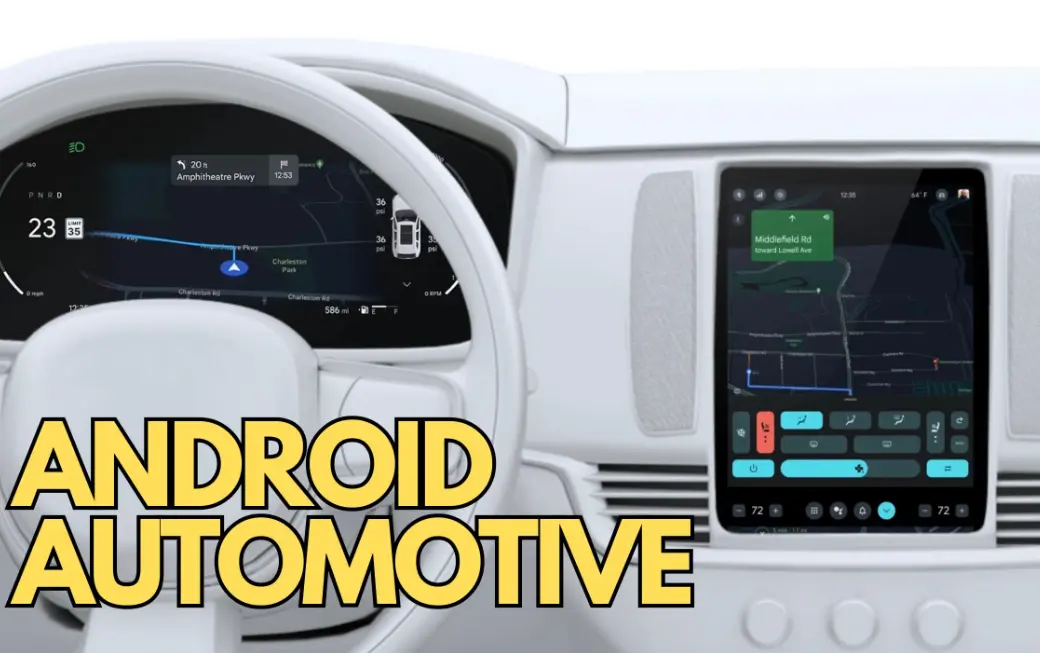
Android Automotive is a robust operating system developed by Google, specifically designed for integration into vehicles’ infotainment systems. It transforms the driving experience by providing a seamless, intuitive interface that runs natively on the car’s hardware, independent of a connected smartphone. Key features include advanced navigation via Google Maps, voice-activated controls through Google Assistant, and access to a vast ecosystem of apps for entertainment, communication, and productivity. This system supports over-the-air updates, ensuring vehicles stay current with the latest software enhancements, security patches, and new functionalities. With its focus on safety and connectivity, Android Automotive enables hands-free operation, real-time traffic updates, and personalized experiences, making every journey more efficient and enjoyable for drivers and passengers alike.
Table of Contents
- Part 1: OnlineExamMaker AI Quiz Generator – Save Time and Efforts
- Part 2: 20 Android Automotive Quiz Questions & Answers
- Part 3: Automatically Generate Quiz Questions Using AI Question Generator
Part 1: OnlineExamMaker AI Quiz Generator – Save Time and Efforts
What’s the best way to create a Android Automotive quiz online? OnlineExamMaker is the best AI quiz making software for you. No coding, and no design skills required. If you don’t have the time to create your online quiz from scratch, you are able to use OnlineExamMaker AI Question Generator to create question automatically, then add them into your online assessment. What is more, the platform leverages AI proctoring and AI grading features to streamline the process while ensuring exam integrity.
Key features of OnlineExamMaker:
● Combines AI webcam monitoring to capture cheating activities during online exam.
● Allow the quiz taker to answer by uploading video or a Word document, adding an image, and recording an audio file.
● Automatically scores multiple-choice, true/false, and even open-ended/audio responses using AI, reducing manual work.
● OnlineExamMaker API offers private access for developers to extract your exam data back into your system automatically.
Automatically generate questions using AI
Part 2: 20 Android Automotive Quiz Questions & Answers
or
Question 1:
What is Android Automotive?
A) A mobile operating system for smartphones
B) A version of Android designed specifically for vehicles
C) A web-based platform for car diagnostics
D) An accessory for Android tablets
Answer: B
Explanation: Android Automotive is a full operating system built on Android, optimized for in-vehicle infotainment systems, allowing direct integration with car hardware and running apps natively.
Question 2:
How does Android Automotive differ from Android Auto?
A) Android Automotive is for phones, while Android Auto is for cars
B) Android Auto is a projection mode from a phone, while Android Automotive is a built-in OS for vehicles
C) They are the same system with different names
D) Android Automotive requires internet, but Android Auto does not
Answer: B
Explanation: Android Auto mirrors a phone’s interface to a car’s display, whereas Android Automotive is a standalone OS embedded in the vehicle, enabling apps to run directly without a connected phone.
Question 3:
Which company developed Android Automotive?
A) Apple
B) Google
C) Microsoft
D) Samsung
Answer: B
Explanation: Google developed Android Automotive as part of the Android ecosystem, extending it to automotive applications for enhanced connectivity and user experience.
Question 4:
What is a key requirement for a car to support Android Automotive?
A) A high-resolution touchscreen
B) Integration with the vehicle’s CAN bus for hardware control
C) Bluetooth connectivity only
D) A subscription to a mobile network
Answer: B
Explanation: Android Automotive needs to interface with the vehicle’s Controller Area Network (CAN bus) to control features like climate, audio, and navigation, ensuring seamless integration.
Question 5:
Which programming language is primarily used for developing apps on Android Automotive?
A) Swift
B) Java
C) Python
D) C++
Answer: B
Explanation: Java is the primary language for Android development, including Android Automotive, as it is the foundation of the Android SDK and allows for efficient app creation.
Question 6:
What does Android Automotive OS use for voice commands?
A) Google Assistant
B) Siri
C) Alexa
D) Bixby
Answer: A
Explanation: Android Automotive integrates Google Assistant for voice commands, enabling hands-free control of apps, navigation, and vehicle functions to enhance safety.
Question 7:
In Android Automotive, what is the purpose of the “Car App Library”?
A) To manage phone calls
B) To provide APIs for integrating with vehicle hardware
C) To store music files
D) To handle Wi-Fi connections
Answer: B
Explanation: The Car App Library offers tools and APIs that allow developers to build apps that interact with vehicle systems, such as sensors and displays, for a tailored automotive experience.
Question 8:
Which feature ensures Android Automotive apps are safe for use while driving?
A) High-speed internet access
B) Distraction guidelines and template UI
C) Unlimited storage
D) Custom wallpapers
Answer: B
Explanation: Android Automotive enforces distraction guidelines, including simplified UI templates, to minimize driver distraction by limiting complex interactions during vehicle operation.
Question 9:
What type of updates can Android Automotive receive over-the-air (OTA)?
A) Only security patches
B) Full OS updates, including new features and bug fixes
C) Hardware upgrades
D) Battery optimizations only
Answer: B
Explanation: OTA updates for Android Automotive allow for seamless delivery of full OS enhancements, security improvements, and new features without needing a service visit.
Question 10:
Which protocol does Android Automotive use for media playback in cars?
A) HDMI
B) Android Media APIs
C) USB 3.0
D) Bluetooth Low Energy
Answer: B
Explanation: Android Automotive utilizes Android Media APIs to handle audio and video playback, ensuring compatibility with various formats and integration with car audio systems.
Question 11:
What is the role of the Android Automotive Emulator in development?
A) To test apps on physical cars
B) To simulate a vehicle’s environment on a computer
C) To design car exteriors
D) To manage user accounts
Answer: B
Explanation: The Android Automotive Emulator allows developers to test apps in a virtual car environment, mimicking sensors and interfaces without needing actual hardware.
Question 12:
How does Android Automotive handle navigation apps?
A) It only supports Google Maps
B) It integrates with multiple apps via the Google Maps Platform
C) It uses standalone GPS devices
D) It requires a separate subscription
Answer: B
Explanation: Android Automotive supports navigation through the Google Maps Platform, allowing integration with various apps for real-time routing, traffic, and location services.
Question 13:
What security measure is built into Android Automotive to protect user data?
A) File sharing with passengers
B) Keystore for encrypted storage
C) Open access to all files
D) Automatic data deletion
Answer: B
Explanation: Android Automotive uses the Keystore system to securely store and manage sensitive data, such as credentials and keys, protecting against unauthorized access.
Question 14:
Which component of Android Automotive manages power efficiency in electric vehicles?
A) Battery Manager
B) Power Profile
C) Vehicle HAL
D) Screen Saver
Answer: C
Explanation: The Vehicle Hardware Abstraction Layer (HAL) in Android Automotive interfaces with vehicle systems to monitor and manage power usage, including battery levels in electric vehicles.
Question 15:
What is the minimum API level required for Android Automotive apps?
A) API 21
B) API 29
C) API 30
D) API 33
Answer: B
Explanation: Apps for Android Automotive typically require a minimum API level of 29 to ensure compatibility with the platform’s features and security enhancements.
Question 16:
How does Android Automotive support multiple users in a shared vehicle?
A) Through guest profiles
B) Single user only
C) Shared login credentials
D) Anonymous access
Answer: A
Explanation: Android Automotive allows multiple user profiles, enabling personalized settings, apps, and data for different drivers or passengers in a shared vehicle.
Question 17:
What is the primary display type used in Android Automotive interfaces?
A) Curved OLED screens
B) Adaptive dashboards
C) Instrument clusters and infotainment screens
D) Projector displays
Answer: C
Explanation: Android Automotive is designed for instrument clusters and central infotainment screens, providing a unified interface for controls, media, and information.
Question 18:
Which standard does Android Automotive follow for vehicle-to-everything (V2X) communication?
A) Wi-Fi Direct
B) 5G networks
C) IEEE 802.11p
D) Bluetooth
Answer: C
Explanation: Android Automotive supports V2X communication via standards like IEEE 802.11p, which enables vehicle interactions with infrastructure, other vehicles, and pedestrians for safety.
Question 19:
What tool is used to debug Android Automotive apps?
A) ADB (Android Debug Bridge)
B) Eclipse IDE
C) Command Prompt
D) Notepad
Answer: A
Explanation: ADB is the standard tool for debugging Android apps, including those on Android Automotive, allowing developers to log, test, and deploy code remotely.
Question 20:
How does Android Automotive enhance the in-car entertainment experience?
A) By limiting app options
B) Through integration with streaming services and customizable interfaces
C) By using physical buttons only
D) Requiring external devices
Answer: B
Explanation: Android Automotive integrates with services like Spotify and YouTube, offering a customizable interface for entertainment while ensuring it adheres to safety standards.
or
Part 3: Automatically generate quiz questions using OnlineExamMaker AI Question Generator
Automatically generate questions using AI