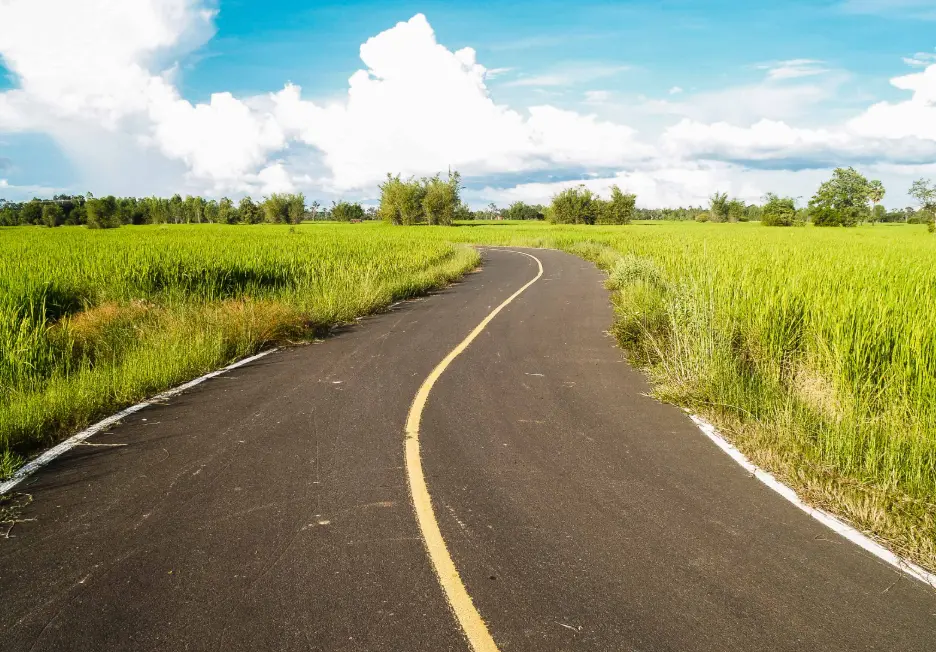
Roads are the intricate veins of the modern world, threading through landscapes and linking distant places with seamless efficiency. They range from ancient dirt trails carved by early travelers to sleek, multi-lane highways that slice through mountains and span vast deserts. Constructed from materials like asphalt, concrete, or gravel, these pathways serve as conduits for vehicles, cyclists, and pedestrians, facilitating trade, travel, and communication. In urban settings, they form bustling grids that pulse with the rhythm of daily life, while in rural areas, they wind quietly through fields and forests, offering serene routes to hidden destinations. Roads not only shape economies by enabling the transport of goods but also foster cultural exchange, as journeys along them reveal diverse sights, sounds, and stories. Ultimately, they symbolize progress, connecting hearts and horizons in an ever-evolving tapestry of human endeavor.
Table of Contents
- Part 1: Best AI Quiz Making Software for Creating A Roads Quiz
- Part 2: 20 Roads Quiz Questions & Answers
- Part 3: Try OnlineExamMaker AI Question Generator to Create Quiz Questions
Part 1: Best AI Quiz Making Software for Creating A Roads Quiz
OnlineExamMaker is a powerful AI-powered assessment platform to create auto-grading Roads skills assessments. It’s designed for educators, trainers, businesses, and anyone looking to generate engaging quizzes without spending hours crafting questions manually. The AI Question Generator feature allows you to input a topic or specific details, and it generates a variety of question types automatically.
Top features for assessment organizers:
● Combines AI webcam monitoring to capture cheating activities during online exam.
● Enhances assessments with interactive experience by embedding video, audio, image into quizzes and multimedia feedback.
● Once the exam ends, the exam scores, question reports, ranking and other analytics data can be exported to your device in Excel file format.
● API and SSO help trainers integrate OnlineExamMaker with Google Classroom, Microsoft Teams, CRM and more.
Automatically generate questions using AI
Part 2: 20 Roads Quiz Questions & Answers
or
1. Question: What is the primary purpose of a highway?
A) To connect rural areas only
B) To facilitate high-speed travel between cities
C) To provide parking spaces
D) To serve as pedestrian walkways
Answer: B
Explanation: Highways are designed for efficient, high-speed transportation of vehicles over long distances, connecting major urban centers.
2. Question: Which type of road is typically made of asphalt?
A) Gravel roads
B) Paved roads
C) Dirt tracks
D) Cobblestone paths
Answer: B
Explanation: Asphalt is a common material used in paving roads to provide a smooth, durable surface for vehicles.
3. Question: What does a yellow line on the road usually indicate?
A) A bike lane
B) A no-passing zone
C) A parking area
D) A school zone
Answer: B
Explanation: A yellow line often separates lanes of traffic and indicates areas where passing is prohibited to ensure safety.
4. Question: Which factor contributes most to road erosion?
A) Heavy rainfall
B) Wind patterns
C) Sunlight exposure
D) Animal crossings
Answer: A
Explanation: Heavy rainfall can wash away soil and damage road surfaces, leading to erosion over time.
5. Question: What is a roundabout?
A) A straight road intersection
B) A circular junction where traffic flows one way
C) A dead-end street
D) A bridge over a river
Answer: B
Explanation: A roundabout is a circular road design that allows vehicles to enter and exit in a continuous flow, reducing accidents at intersections.
6. Question: Which road sign is typically triangular?
A) Stop sign
B) Yield sign
C) Speed limit sign
D) No entry sign
Answer: B
Explanation: Yield signs are triangular and warn drivers to give way to other vehicles or pedestrians.
7. Question: What does the term “gridlock” refer to on roads?
A) Smooth traffic flow
B) A complete traffic standstill
C) Road construction
D) One-way streets
Answer: B
Explanation: Gridlock occurs when vehicles are stuck in traffic and cannot move, often due to high volume at intersections.
8. Question: Which material is commonly used for road markings?
A) Wood
B) Paint or thermoplastic
C) Metal sheets
D) Glass beads
Answer: B
Explanation: Paint or thermoplastic is applied to roads for durable markings like lines and symbols to guide drivers.
9. Question: What is the main advantage of toll roads?
A) They are free for all users
B) They generate revenue for maintenance
C) They have no speed limits
D) They are only for pedestrians
Answer: B
Explanation: Toll roads collect fees that fund upkeep and improvements, helping maintain high-quality infrastructure.
10. Question: Which road condition is most dangerous for driving?
A) Dry pavement
B) Black ice
C) Freshly paved surface
D) Mild curves
Answer: B
Explanation: Black ice is a thin, invisible layer of ice on roads that causes vehicles to lose traction and skid easily.
11. Question: What is a median on a road?
A) A side lane for parking
B) The central divider between lanes
C) A pedestrian crossing
D) An exit ramp
Answer: B
Explanation: A median is the strip of land or barrier in the middle of a divided highway, separating opposing traffic flows.
12. Question: Which type of road is best for heavy trucks?
A) Narrow residential streets
B) Multi-lane expressways
C) Dirt paths
D) Bicycle trails
Answer: B
Explanation: Multi-lane expressways provide the space and durability needed for heavy vehicles to travel safely at higher speeds.
13. Question: What does a flashing red light at an intersection mean?
A) Proceed with caution
B) Treat it as a stop sign
C) Speed up
D) Yield to oncoming traffic
Answer: B
Explanation: A flashing red light requires drivers to stop completely and proceed only when safe, similar to a stop sign.
14. Question: Which element is key in road design for drainage?
A) Flat surfaces
B) Sloped edges
C) Straight lines
D) Wide lanes
Answer: B
Explanation: Sloped edges in road design allow water to drain away, preventing pooling and reducing the risk of hydroplaning.
15. Question: What is the purpose of rumble strips on roads?
A) To decorate the pavement
B) To alert drivers of potential dangers
C) To increase road speed
D) To mark parking spots
Answer: B
Explanation: Rumble strips create vibration and noise to wake or alert drivers who may be drifting out of their lane.
16. Question: Which road feature helps reduce urban traffic congestion?
A) One-way streets
B) Dead-end roads
C) Parkways with tolls
D) Express bus lanes
Answer: D
Explanation: Express bus lanes dedicate space for public transport, encouraging more people to use buses and easing overall traffic.
17. Question: What causes potholes on roads?
A) Excessive sunlight
B) Water freezing and thawing in cracks
C) Strong winds
D) Tree roots
Answer: B
Explanation: Water seeps into cracks, freezes, expands, and then thaws, weakening the road surface and forming potholes.
18. Question: Which sign indicates a merging lane ahead?
A) A straight arrow
B) A curved arrow with merge symbol
C) A red octagon
D) A green circle
Answer: B
Explanation: Signs with a curved arrow and merge symbol warn drivers of upcoming lanes joining, requiring caution.
19. Question: What is the role of reflectors on roads?
A) To absorb heat
B) To reflect light for better visibility at night
C) To slow down vehicles
D) To block animal crossings
Answer: B
Explanation: Reflectors on roads bounce back light from vehicle headlights, helping drivers see edges and hazards in low-light conditions.
20. Question: Which innovation has improved road safety the most?
A) Wider lanes
B) Seat belt laws
C) Electronic speed signs
D) All of the above
Answer: D
Explanation: Wider lanes, seat belt laws, and electronic speed signs collectively reduce accidents by enhancing driver awareness and vehicle control.
or
Part 3: Try OnlineExamMaker AI Question Generator to Create Quiz Questions
Automatically generate questions using AI