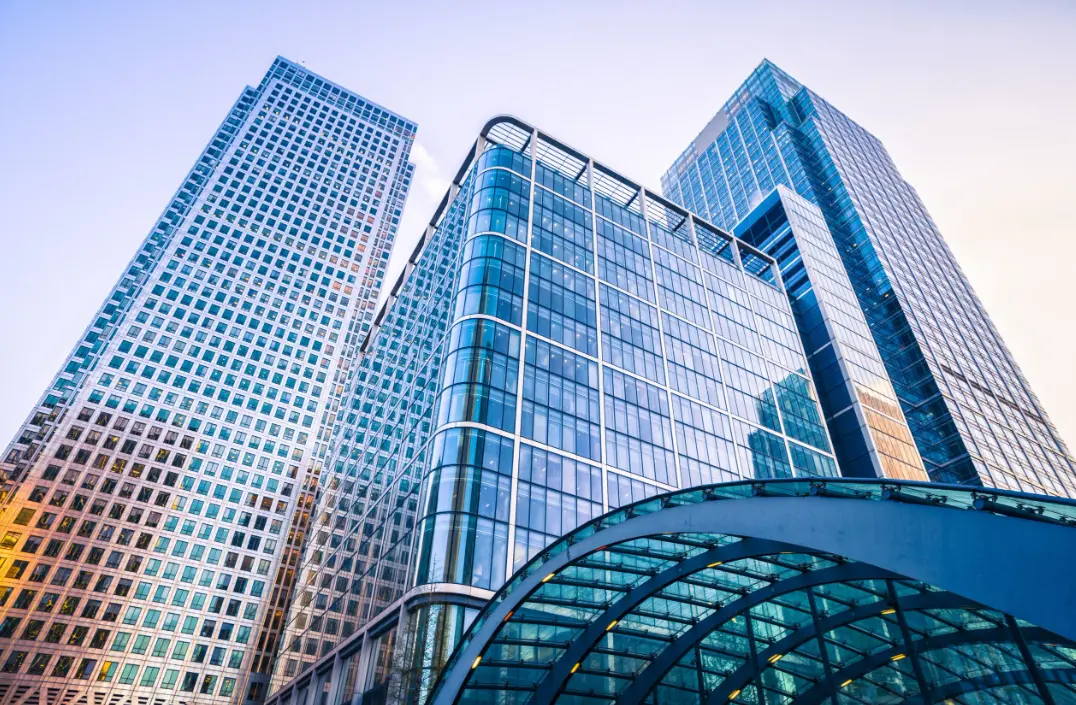
Commercial property refers to real estate designed for business purposes, encompassing a wide range of structures such as office buildings, retail stores, warehouses, industrial facilities, and multifamily housing units. These properties are typically used for generating income through leasing, sales, or operations, and are characterized by their strategic locations in high-traffic areas, zoning compliance, and potential for long-term value appreciation. Key features include flexible layouts to accommodate various business needs, robust infrastructure for utilities and accessibility, and opportunities for customization to enhance productivity and profitability. Whether for startups or established enterprises, commercial properties play a vital role in economic growth by fostering innovation, employment, and community development.
Table of Contents
- Part 1: Create An Amazing Commercial Property Quiz Using AI Instantly in OnlineExamMaker
- Part 2: 20 Commercial Property Quiz Questions & Answers
- Part 3: Try OnlineExamMaker AI Question Generator to Create Quiz Questions
Part 1: Create An Amazing Commercial Property Quiz Using AI Instantly in OnlineExamMaker
Nowadays more and more people create Commercial Property quizzes using AI technologies, OnlineExamMaker a powerful AI-based quiz making tool that can save you time and efforts. The software makes it simple to design and launch interactive quizzes, assessments, and surveys. With the Question Editor, you can create multiple-choice, open-ended, matching, sequencing and many other types of questions for your tests, exams and inventories. You are allowed to enhance quizzes with multimedia elements like images, audio, and video to make them more interactive and visually appealing.
Recommended features for you:
● Prevent cheating by randomizing questions or changing the order of questions, so learners don’t get the same set of questions each time.
● Automatically generates detailed reports—individual scores, question report, and group performance.
● Simply copy a few lines of codes, and add them to a web page, you can present your online quiz in your website, blog, or landing page.
● Offers question analysis to evaluate question performance and reliability, helping instructors optimize their training plan.
Automatically generate questions using AI
Part 2: 20 Commercial Property Quiz Questions & Answers
or
1. Question: What type of commercial property is typically used for the sale of goods directly to consumers?
A) Office building
B) Retail space
C) Industrial warehouse
D) Multifamily residential
Answer: B
Explanation: Retail space is designed for businesses that sell products or services directly to the public, distinguishing it from other commercial properties focused on offices, manufacturing, or housing.
2. Question: In a commercial lease, what does “triple net” (NNN) lease mean?
A) The tenant pays only rent
B) The tenant pays rent plus utilities
C) The tenant pays rent, taxes, insurance, and maintenance
D) The landlord covers all expenses
Answer: C
Explanation: A triple net lease requires the tenant to pay for rent along with three additional costs—taxes, insurance, and maintenance—making it a common arrangement that shifts expenses to the tenant.
3. Question: Which method is most commonly used to value commercial property?
A) Cost approach
B) Income approach
C) Sales comparison approach
D) Replacement cost approach
Answer: B
Explanation: The income approach is preferred for commercial properties as it considers the potential income generated, using metrics like net operating income and capitalization rates to determine value.
4. Question: What is the primary purpose of zoning laws for commercial properties?
A) To maximize property taxes
B) To regulate land use and development
C) To encourage residential building
D) To limit business hours
Answer: B
Explanation: Zoning laws control how land is used in specific areas, ensuring that commercial properties are developed in ways that align with community planning and safety standards.
5. Question: Which factor does NOT typically affect the value of a commercial property?
A) Location
B) Age of the building
C) Color of the exterior paint
D) Market demand
Answer: C
Explanation: While location, age, and market demand directly influence property value, the color of the exterior paint is a superficial detail that generally has minimal impact on overall appraisal.
6. Question: What is a cap rate in commercial real estate?
A) The total cost of property maintenance
B) A ratio used to estimate the return on investment
C) The annual rent amount
D) The property’s square footage
Answer: B
Explanation: The capitalization rate (cap rate) measures the potential return on an investment by dividing the net operating income by the property’s purchase price, helping investors assess profitability.
7. Question: In commercial real estate, what does “due diligence” involve?
A) Finalizing the sale contract
B) Inspecting and investigating the property before purchase
C) Advertising the property for lease
D) Collecting rent from tenants
Answer: B
Explanation: Due diligence is the process of thoroughly examining a property’s legal, financial, and physical aspects to identify risks, ensuring informed decision-making for buyers or investors.
8. Question: Which type of commercial lease allows the tenant to sublease the space?
A) Gross lease
B) Percentage lease
C) Most standard leases, unless prohibited
D) Fixed-term lease only
Answer: C
Explanation: Many commercial leases permit subleasing unless explicitly forbidden in the contract, providing flexibility for tenants to manage their space needs.
9. Question: What is Net Operating Income (NOI) for a commercial property?
A) Total revenue minus all expenses
B) Gross income minus operating expenses
C) Net profit after taxes
D) Rent collected annually
Answer: B
Explanation: NOI is calculated as gross income from the property minus operating expenses, serving as a key metric for evaluating the property’s financial performance before debt and taxes.
10. Question: Which environmental factor must be considered when developing commercial property?
A) Local traffic patterns
B) Presence of hazardous materials like asbestos
C) Interior design trends
D) Employee satisfaction
Answer: B
Explanation: Hazardous materials pose health and legal risks, so assessing them is crucial during development to comply with regulations and avoid future liabilities.
11. Question: What is a common risk associated with investing in commercial property?
A) Fluctuations in interest rates
B) Changes in fashion trends
C) Seasonal weather changes
D) Pet policies for tenants
Answer: A
Explanation: Interest rate changes can affect borrowing costs and property values, making it a significant financial risk for commercial real estate investors.
12. Question: In commercial real estate, what does “tenant improvements” refer to?
A) Upgrades made by the landlord
B) Modifications paid for by the tenant
C) Basic maintenance tasks
D) Exterior landscaping
Answer: B
Explanation: Tenant improvements are customizations or build-outs funded by the tenant to suit their business needs, often negotiated as part of the lease agreement.
13. Question: Which document is essential for transferring ownership of commercial property?
A) Lease agreement
B) Deed
C) Insurance policy
D) Zoning permit
Answer: B
Explanation: A deed is the legal instrument that transfers title and ownership rights of the property from seller to buyer, ensuring a valid transaction.
14. Question: What is the difference between a single-tenant and multi-tenant commercial property?
A) Single-tenant properties are larger
B) Multi-tenant properties house multiple businesses
C) Single-tenant properties are always residential
D) There is no difference
Answer: B
Explanation: A multi-tenant property accommodates several tenants or businesses in separate spaces, while a single-tenant property is occupied by one entity, affecting management and income streams.
15. Question: How does depreciation benefit owners of commercial property for tax purposes?
A) It increases taxable income
B) It allows for deductions over time
C) It eliminates property taxes
D) It raises the property’s market value
Answer: B
Explanation: Depreciation enables owners to deduct the declining value of the property as an expense over its useful life, reducing taxable income and providing tax advantages.
16. Question: What is the role of a commercial real estate broker?
A) To manage property maintenance
B) To facilitate buying, selling, or leasing transactions
C) To handle tenant disputes
D) To design building layouts
Answer: B
Explanation: Brokers act as intermediaries to negotiate and execute deals for commercial properties, leveraging their expertise to connect buyers, sellers, and lessees.
17. Question: Which factor is most important when evaluating the location of a commercial property?
A) Proximity to public transportation
B) The height of the building
C) The number of windows
D) Furniture arrangement
Answer: A
Explanation: Accessibility via public transportation influences foot traffic, employee commuting, and overall property appeal, making it a key location factor.
18. Question: What does “eminent domain” mean in the context of commercial property?
A) The right of tenants to extend leases
B) Government authority to seize private property for public use
C) A method for property appraisal
D) A type of zoning restriction
Answer: B
Explanation: Eminent domain allows the government to take private property for public benefit, such as infrastructure projects, provided fair compensation is given to the owner.
19. Question: In commercial leasing, what is a “renewal option”?
A) The ability to cancel the lease early
B) A clause allowing the tenant to extend the lease term
C) A reduction in rent payments
D) An option to buy the property
Answer: B
Explanation: A renewal option gives the tenant the right to continue occupying the space under predefined terms, providing stability and flexibility in long-term planning.
20. Question: What is the primary advantage of owning a commercial property versus leasing?
A) Lower initial costs
B) Potential for equity buildup and appreciation
C) No maintenance responsibilities
D) Greater flexibility to relocate
Answer: B
Explanation: Ownership allows for building equity through property value appreciation and mortgage payments, unlike leasing, which offers no long-term asset accumulation.
or
Part 3: Try OnlineExamMaker AI Question Generator to Create Quiz Questions
Automatically generate questions using AI