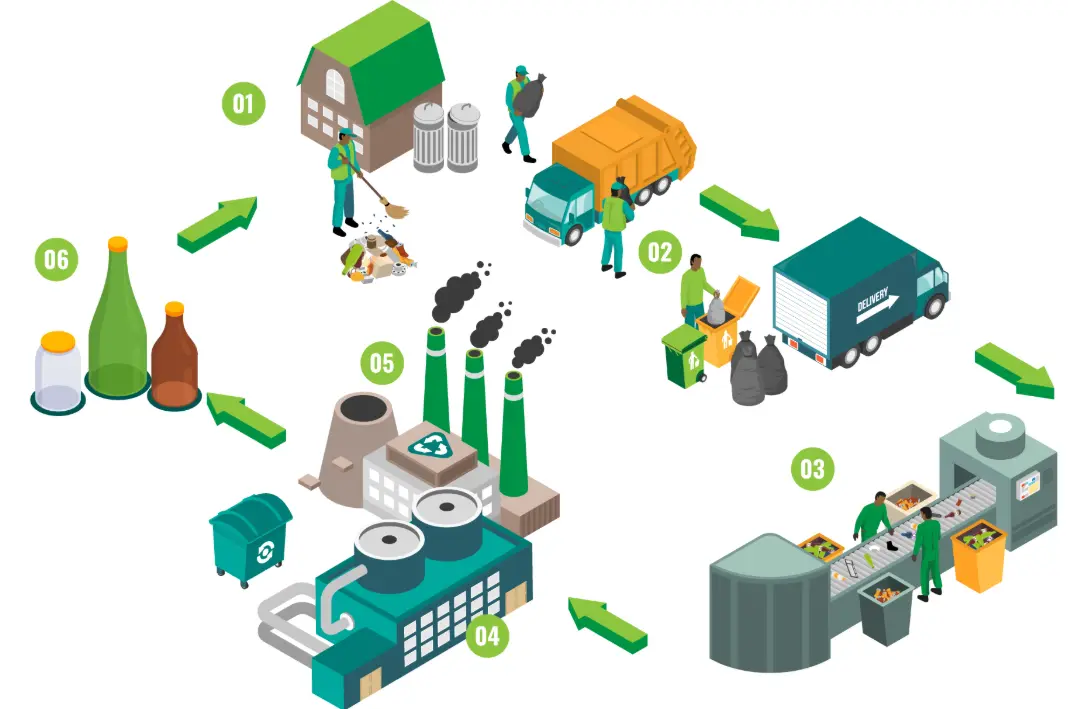
The Waste Management Industry plays a vital role in modern society by handling the collection, transportation, processing, recycling, and disposal of waste materials to safeguard public health and the environment. This sector encompasses a wide range of activities, including municipal solid waste management, hazardous waste treatment, electronic waste recycling, and industrial waste handling. Driven by stringent environmental regulations and growing sustainability demands, companies in this industry employ advanced technologies such as automated sorting systems, waste-to-energy facilities, and composting methods to minimize landfill use and promote resource recovery. As urbanization and population growth accelerate, the industry is evolving to address challenges like plastic pollution and climate change, fostering innovations in circular economy models that turn waste into valuable resources, ultimately contributing to a cleaner, more sustainable planet.
Table of Contents
- Part 1: OnlineExamMaker AI Quiz Generator – The Easiest Way to Make Quizzes Online
- Part 2: 20 Waste Management Industry Quiz Questions & Answers
- Part 3: Try OnlineExamMaker AI Question Generator to Create Quiz Questions
Part 1: OnlineExamMaker AI Quiz Generator – The Easiest Way to Make Quizzes Online
Are you looking for an online assessment to test the Waste Management Industry skills of your learners? OnlineExamMaker uses artificial intelligence to help quiz organizers to create, manage, and analyze exams or tests automatically. Apart from AI features, OnlineExamMaker advanced security features such as full-screen lockdown browser, online webcam proctoring, and face ID recognition.
Take a product tour of OnlineExamMaker:
● Includes a safe exam browser (lockdown mode), webcam and screen recording, live monitoring, and chat oversight to prevent cheating.
● AI Exam Grader for efficiently grading quizzes and assignments, offering inline comments, automatic scoring, and “fudge points” for manual adjustments.
● Embed quizzes on websites, blogs, or share via email, social media (Facebook, Twitter), or direct links.
● Handles large-scale testing (thousands of exams/semester) without internet dependency, backed by cloud infrastructure.
Automatically generate questions using AI
Part 2: 20 Waste Management Industry Quiz Questions & Answers
or
1. What is the primary goal of waste management?
A) To increase waste production
B) To minimize environmental impact and promote resource recovery
C) To eliminate all recycling programs
D) To maximize landfill usage
Answer: B
Explanation: Waste management aims to reduce pollution, conserve resources, and protect public health by handling waste in an efficient and sustainable manner.
2. Which type of waste includes materials like batteries and chemicals?
A) Organic waste
B) Hazardous waste
C) Recyclable waste
D) Biodegradable waste
Answer: B
Explanation: Hazardous waste contains substances that can cause harm to humans and the environment, requiring special handling and disposal to prevent contamination.
3. What is the waste hierarchy, from most to least preferred?
A) Landfill, recycle, reduce
B) Reduce, reuse, recycle
C) Incinerate, compost, dispose
D) Reuse, incinerate, landfill
Answer: B
Explanation: The waste hierarchy prioritizes reducing waste generation, reusing items, and recycling materials before opting for disposal methods like incineration or landfilling.
4. Which method converts waste into energy through burning?
A) Composting
B) Incineration
C) Landfilling
D) Recycling
Answer: B
Explanation: Incineration reduces waste volume by burning it, producing energy such as electricity or heat, while also minimizing the need for landfill space.
5. What is the main environmental concern with landfills?
A) They promote recycling
B) They can leach harmful chemicals into groundwater
C) They reduce air pollution
D) They eliminate waste entirely
Answer: B
Explanation: Landfills can release leachate, which contaminates soil and water sources, making proper lining and monitoring essential to protect the environment.
6. Which material is commonly recycled from household waste?
A) Food scraps
B) Aluminum cans
C) Hazardous chemicals
D) Medical waste
Answer: B
Explanation: Aluminum cans are highly recyclable, saving energy and resources compared to producing new aluminum from raw materials.
7. What does the term “zero waste” aim to achieve?
A) Complete elimination of all waste
B) Designing systems to minimize waste and maximize reuse
C) Increasing landfill capacity
D) Promoting single-use products
Answer: B
Explanation: Zero waste focuses on redesigning resource use to divert waste from landfills through reduction, reuse, and recycling strategies.
8. Which regulation in the United States governs hazardous waste management?
A) Clean Air Act
B) Resource Conservation and Recovery Act (RCRA)
C) Clean Water Act
D) Endangered Species Act
Answer: B
Explanation: RCRA establishes standards for the management of hazardous and non-hazardous solid waste to protect human health and the environment.
9. What is composting primarily used for?
A) Burning organic materials
B) Decomposing organic waste into nutrient-rich soil
C) Storing waste indefinitely
D) Recycling plastics
Answer: B
Explanation: Composting breaks down organic matter like food scraps and yard waste through microbial activity, producing compost that enriches soil.
10. How does improper e-waste disposal affect the environment?
A) It reduces electronic production
B) It can release toxic metals like lead into the soil
C) It promotes recycling
D) It decreases energy consumption
Answer: B
Explanation: E-waste contains hazardous materials that, if not disposed of properly, can leach into the environment, contaminating water and soil.
11. What is the benefit of source separation in waste management?
A) It mixes all waste together
B) It allows for easier recycling and reduces contamination
C) It increases landfill costs
D) It eliminates the need for sorting
Answer: B
Explanation: Source separation encourages individuals to sort waste at the point of generation, improving the quality of recyclables and reducing processing costs.
12. Which waste management strategy focuses on reducing packaging?
A) Incineration
B) Waste minimization
C) Landfilling
D) Composting
Answer: B
Explanation: Waste minimization involves designing products and processes to use less material, thereby reducing the overall volume of waste generated.
13. What is the difference between biodegradable and non-biodegradable waste?
A) Biodegradable waste breaks down naturally, while non-biodegradable does not
B) Non-biodegradable waste decomposes quickly
C) Both types are equally harmful
D) Biodegradable waste is always recyclable
Answer: A
Explanation: Biodegradable waste, like paper, can be broken down by microorganisms, whereas non-biodegradable waste, like plastics, persists in the environment.
14. How does recycling contribute to the economy?
A) By increasing raw material imports
B) By creating jobs in processing and manufacturing
C) By eliminating the need for waste collection
D) By promoting landfill expansion
Answer: B
Explanation: Recycling supports economic growth by generating employment in collection, sorting, and repurposing materials, while conserving natural resources.
15. What is a key challenge in managing municipal solid waste?
A) Overabundance of recycling options
B) Rapid population growth and increasing waste volumes
C) Decreased environmental regulations
D) Lack of waste production
Answer: B
Explanation: As populations grow, the volume of municipal solid waste increases, straining infrastructure and requiring innovative management solutions.
16. Which process involves turning waste into fuel?
A) Landfilling
B) Waste-to-energy
C) Composting
D) Recycling
Answer: B
Explanation: Waste-to-energy technologies convert non-recyclable waste into usable energy sources like electricity or biofuels through processes such as incineration.
17. What role do governments play in waste management?
A) They ignore environmental impacts
B) They enforce regulations and provide funding for programs
C) They promote single-use products
D) They discourage recycling
Answer: B
Explanation: Governments establish policies, set standards, and fund initiatives to ensure effective waste management and environmental protection.
18. How can individuals reduce waste in daily life?
A) By using disposable items more frequently
B) By opting for reusable products and avoiding excess packaging
C) By increasing household waste production
D) By mixing recyclables with trash
Answer: B
Explanation: Simple actions like using reusable bags and buying in bulk help reduce waste generation and support sustainable practices.
19. What is the impact of ocean plastic pollution on marine life?
A) It provides habitats for fish
B) It can cause entanglement and ingestion, leading to injury or death
C) It reduces water acidity
D) It promotes biodiversity
Answer: B
Explanation: Plastic waste in oceans harms marine animals through ingestion or entanglement, disrupting ecosystems and food chains.
20. Why is the circular economy important for waste management?
A) It encourages a linear “take-make-dispose” model
B) It promotes reusing and recycling materials to minimize waste
C) It focuses solely on landfills
D) It increases resource depletion
Answer: B
Explanation: The circular economy designs systems to keep resources in use for as long as possible, reducing waste and fostering sustainability.
or
Part 3: Try OnlineExamMaker AI Question Generator to Create Quiz Questions
Automatically generate questions using AI