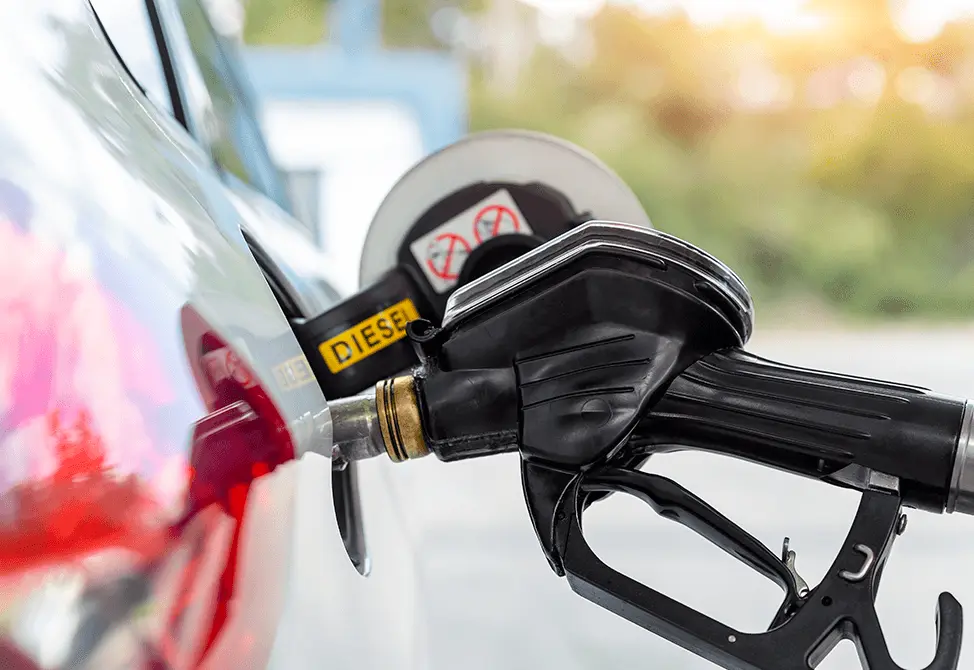
Diesel fuel is a petroleum-derived liquid fuel primarily used in diesel engines, known for its high energy density and efficiency. It is produced through the distillation of crude oil, typically resulting in a mixture of hydrocarbons with carbon chain lengths ranging from 12 to 20 atoms. The fuel’s key properties include a higher cetane number, which measures ignition quality, and a flash point above 52°C (126°F), making it safer for storage and handling compared to gasoline.
Composed mainly of paraffins, naphthenes, and aromatics, diesel fuel varies by grade and region, with common types including ultra-low sulfur diesel (ULSD) to meet environmental standards. It is refined through processes like fractional distillation, cracking, and hydrotreating to remove impurities and sulfur.
Historically, diesel engines were invented by Rudolf Diesel in 1892, and the fuel gained prominence in the early 20th century for its superior thermal efficiency in transportation and industrial applications. Today, it powers heavy-duty vehicles such as trucks, buses, trains, ships, and construction equipment, as well as generators and agricultural machinery.
Advantages of diesel fuel include better fuel economy, longer engine life, and higher torque at lower RPMs, making it ideal for long-haul and heavy-load operations. However, it emits pollutants like nitrogen oxides (NOx) and particulate matter, contributing to air pollution and health issues. Efforts to mitigate these effects include the use of catalytic converters, diesel particulate filters, and biodiesel blends.
Globally, diesel fuel accounts for a significant portion of transportation energy, with production influenced by oil prices and regulatory policies. As the world shifts toward sustainability, alternatives like renewable diesel and electric vehicles are emerging, potentially reducing reliance on traditional diesel in the coming decades.
Table of Contents
- Part 1: OnlineExamMaker – Generate and Share Diesel Fuel Quiz with AI Automatically
- Part 2: 20 Diesel Fuel Quiz Questions & Answers
- Part 3: OnlineExamMaker AI Question Generator: Generate Questions for Any Topic
Part 1: OnlineExamMaker – Generate and Share Diesel Fuel Quiz with AI Automatically
The quickest way to assess the Diesel Fuel knowledge of candidates is using an AI assessment platform like OnlineExamMaker. With OnlineExamMaker AI Question Generator, you are able to input content—like text, documents, or topics—and then automatically generate questions in various formats (multiple-choice, true/false, short answer). Its AI Exam Grader can automatically grade the exam and generate insightful reports after your candidate submit the assessment.
What you will like:
● Create a question pool through the question bank and specify how many questions you want to be randomly selected among these questions.
● Allow the quiz taker to answer by uploading video or a Word document, adding an image, and recording an audio file.
● Display the feedback for correct or incorrect answers instantly after a question is answered.
● Create a lead generation form to collect an exam taker’s information, such as email, mobile phone, work title, company profile and so on.
Automatically generate questions using AI
Part 2: 20 Diesel Fuel Quiz Questions & Answers
or
1. Question: What is the primary component of diesel fuel?
Options: A) Alkanes and cycloalkanes
B) Aromatics and olefins
C) Ethanol and methanol
D) Benzene and toluene
Answer: A
Explanation: Diesel fuel is primarily composed of alkanes and cycloalkanes, which contribute to its high energy density and combustion properties.
2. Question: Which property of diesel fuel is measured by the cetane number?
Options: A) Ignition quality
B) Octane rating
C) Viscosity
D) Flash point
Answer: A
Explanation: The cetane number measures the ignition quality of diesel fuel, indicating how quickly it ignites under compression, which affects engine performance.
3. Question: What is the main difference between diesel and gasoline engines?
Options: A) Diesel uses compression ignition
B) Gasoline has a higher octane rating
C) Diesel engines require spark plugs
D) Gasoline is more energy-dense
Answer: A
Explanation: Diesel engines operate on compression ignition, where fuel ignites due to high pressure, unlike gasoline engines that use spark ignition.
4. Question: Why is ultra-low sulfur diesel (ULSD) preferred in modern vehicles?
Options: A) Reduces emissions of sulfur dioxide
B) Increases fuel efficiency
C) Lowers the cetane number
D) Prevents engine corrosion
Answer: A
Explanation: ULSD has very low sulfur content, which helps reduce harmful emissions like sulfur dioxide, improving air quality and meeting environmental regulations.
5. Question: What role do additives play in diesel fuel?
Options: A) Improve cold flow properties and stability
B) Increase the octane rating
C) Reduce energy density
D) Eliminate the need for filtration
Answer: A
Explanation: Additives in diesel fuel enhance characteristics like cold flow, oxidation stability, and lubricity, helping to prevent issues in various operating conditions.
6. Question: How does biodiesel differ from traditional diesel fuel?
Options: A) It is derived from renewable sources like vegetable oils
B) It has a higher sulfur content
C) It requires a spark for ignition
D) It is less biodegradable
Answer: A
Explanation: Biodiesel is made from renewable biological sources, such as plant oils or animal fats, making it a more sustainable alternative to petroleum-based diesel.
7. Question: What is the typical flash point range for diesel fuel?
Options: A) 52–96°C (126–205°F)
B) 20–40°C (68–104°F)
C) 100–150°C (212–302°F)
D) Below 0°C (32°F)
Answer: A
Explanation: Diesel fuel’s flash point is generally between 52–96°C, indicating it’s less flammable than gasoline and safer for storage and handling.
8. Question: Which factor primarily affects the energy density of diesel fuel?
Options: A) Hydrocarbon chain length
B) Additives concentration
C) Sulfur content
D) Color and odor
Answer: A
Explanation: Longer hydrocarbon chains in diesel fuel contribute to its high energy density, allowing it to produce more energy per unit volume compared to other fuels.
9. Question: What environmental concern is associated with diesel exhaust?
Options: A) Emission of particulate matter and nitrogen oxides
B) High levels of carbon monoxide
C) Excessive water vapor release
D) Increased ozone depletion
Answer: A
Explanation: Diesel exhaust often contains particulate matter and nitrogen oxides, which contribute to air pollution and health issues like respiratory problems.
10. Question: In what year was the diesel engine invented?
Options: A) 1892
B) 1908
C) 1876
D) 1920
Answer: A
Explanation: Rudolf Diesel invented the diesel engine in 1892, revolutionizing internal combustion by using compression ignition for fuel efficiency.
11. Question: Why is diesel fuel more efficient than gasoline in heavy-duty vehicles?
Options: A) Higher energy content per gallon
B) Lower compression ratios
C) Faster evaporation rate
D) Requirement for spark plugs
Answer: A
Explanation: Diesel fuel has a higher energy density, providing more miles per gallon and better torque, making it ideal for heavy-duty applications.
12. Question: What is the purpose of the diesel particulate filter in vehicles?
Options: A) To trap and reduce soot emissions
B) To increase fuel injection pressure
C) To cool the engine
D) To store excess fuel
Answer: A
Explanation: The diesel particulate filter captures soot particles from exhaust gases, reducing harmful emissions and improving air quality.
13. Question: How does cold weather affect diesel fuel?
Options: A) It can cause wax formation and gelling
B) It increases the cetane number
C) It lowers the flash point
D) It improves combustion efficiency
Answer: A
Explanation: In cold temperatures, diesel fuel can form wax crystals that clog fuel lines, leading to gelling and potential engine failure.
14. Question: What standard governs diesel fuel quality in many countries?
Options: A) ASTM D975
B) ISO 9001
C) EPA Tier 3
D) SAE J30
Answer: A
Explanation: ASTM D975 is a key standard that specifies the properties and quality requirements for diesel fuel, ensuring consistency and performance.
15. Question: Which type of vehicle commonly uses diesel fuel for better fuel economy?
Options: A) Trucks and buses
B) Sports cars
C) Motorcycles
D) Electric hybrids
Answer: A
Explanation: Trucks and buses benefit from diesel’s high efficiency and torque, making it a popular choice for long-haul and heavy-load transport.
16. Question: What is the main advantage of using synthetic diesel fuels?
Options: A) Reduced greenhouse gas emissions
B) Lower cost of production
C) Increased sulfur content
D) Simplified refining process
Answer: A
Explanation: Synthetic diesel, often from sources like gas-to-liquid processes, produces fewer emissions, contributing to lower environmental impact.
17. Question: How does the viscosity of diesel fuel affect engine performance?
Options: A) It influences fuel atomization and lubrication
B) It determines the fuel’s color
C) It reduces the need for additives
D) It increases the flash point
Answer: A
Explanation: Proper viscosity ensures good fuel atomization for efficient combustion and provides lubrication to fuel system components.
18. Question: What safety precaution is essential when handling diesel fuel?
Options: A) Store in a cool, ventilated area away from ignition sources
B) Expose it to direct sunlight for drying
C) Mix it with water for dilution
D) Use it as a cleaning agent
Answer: A
Explanation: Diesel fuel is flammable, so storing it in a cool, ventilated area minimizes fire risks and vapor accumulation.
19. Question: Why is diesel fuel often blended with biodiesel?
Options: A) To enhance renewable content and reduce dependency on fossil fuels
B) To increase the sulfur levels
C) To lower the energy density
D) To make it compatible only with gasoline engines
Answer: A
Explanation: Blending diesel with biodiesel promotes sustainability by incorporating renewable elements, which can lower overall carbon emissions.
20. Question: What future trend is expected in diesel fuel technology?
Options: A) Development of cleaner, low-carbon variants
B) Complete replacement with electric power
C) Increased use of high-sulfur fuels
D) Elimination of engine efficiency standards
Answer: A
Explanation: Advances in diesel technology focus on low-carbon and ultra-clean fuels to meet stricter emissions regulations and combat climate change.
or
Part 3: OnlineExamMaker AI Question Generator: Generate Questions for Any Topic
Automatically generate questions using AI