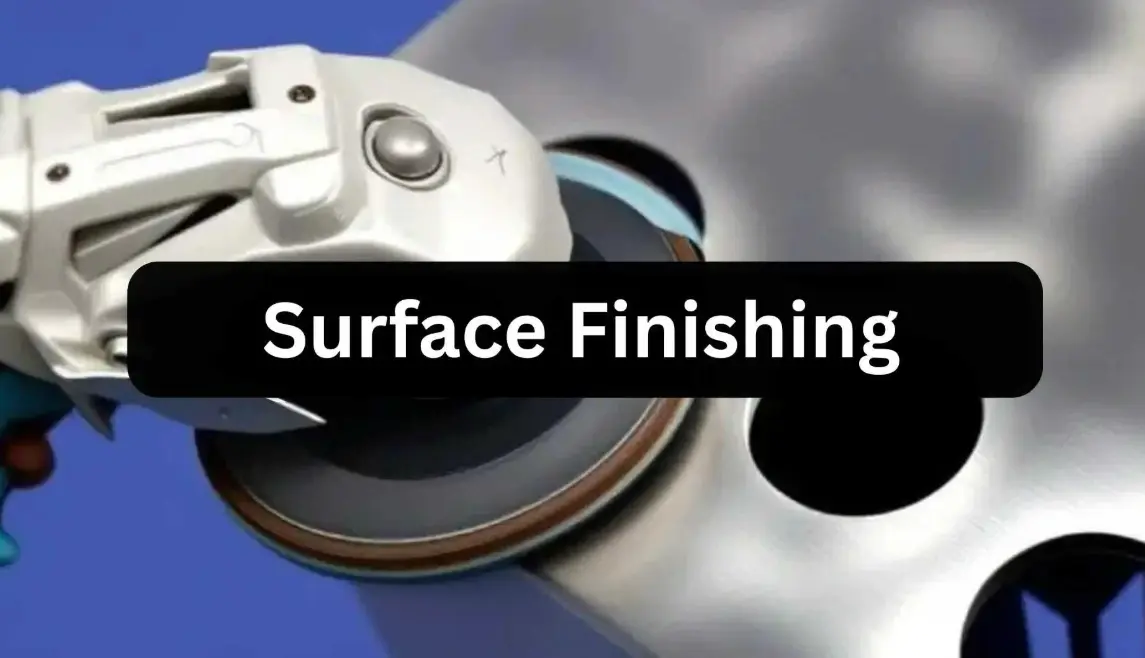
Surface finishing is a critical process in manufacturing and engineering that enhances the surface quality of materials such as metals, plastics, and composites. It involves techniques like polishing, grinding, sandblasting, electroplating, and coating to achieve desired properties such as smoothness, corrosion resistance, aesthetic appeal, and improved functionality. By removing imperfections, reducing roughness, or adding protective layers, surface finishing extends the lifespan of products, improves their performance in applications like automotive parts, electronics, and medical devices, and ensures compliance with industry standards for durability and safety. This process is essential for optimizing both the visual and functional aspects of a finished product, making it more reliable and market-ready.
Table of Contents
- Part 1: Best AI Quiz Making Software for Creating A Surface Finishing Quiz
- Part 2: 20 Surface Finishing Quiz Questions & Answers
- Part 3: Save Time and Energy: Generate Quiz Questions with AI Technology
Part 1: Best AI Quiz Making Software for Creating A Surface Finishing Quiz
Nowadays more and more people create Surface Finishing quizzes using AI technologies, OnlineExamMaker a powerful AI-based quiz making tool that can save you time and efforts. The software makes it simple to design and launch interactive quizzes, assessments, and surveys. With the Question Editor, you can create multiple-choice, open-ended, matching, sequencing and many other types of questions for your tests, exams and inventories. You are allowed to enhance quizzes with multimedia elements like images, audio, and video to make them more interactive and visually appealing.
Take a product tour of OnlineExamMaker:
● Create a question pool through the question bank and specify how many questions you want to be randomly selected among these questions.
● Build and store questions in a centralized portal, tagged by categories and keywords for easy reuse and organization.
● Simply copy a few lines of codes, and add them to a web page, you can present your online quiz in your website, blog, or landing page.
● Randomize questions or change the order of questions to ensure exam takers don’t get the same set of questions each time.
Automatically generate questions using AI
Part 2: 20 Surface Finishing Quiz Questions & Answers
or
1. What is the primary purpose of surface finishing in manufacturing?
A) To increase the weight of the material
B) To improve surface quality and appearance
C) To reduce the overall size of the product
D) To alter the chemical composition of the core material
Answer: B
Explanation: Surface finishing enhances aesthetics, corrosion resistance, and functionality by smoothing or coating the surface.
2. Which surface finishing method involves the use of abrasive particles to remove material?
A) Electroplating
B) Grinding
C) Anodizing
D) Painting
Answer: B
Explanation: Grinding uses abrasives to achieve a smooth finish by mechanically removing surface imperfections and excess material.
3. What does Ra represent in surface roughness measurement?
A) The maximum peak height
B) The average roughness value
C) The total surface area
D) The depth of valleys
Answer: B
Explanation: Ra is the arithmetic average of the absolute values of the profile height deviations from the mean line, indicating overall surface texture.
4. Which process is commonly used for applying a protective oxide layer on aluminum?
A) Sandblasting
B) Anodizing
C) Polishing
D) Electroplating
Answer: B
Explanation: Anodizing creates a durable, corrosion-resistant oxide layer on aluminum through an electrochemical process.
5. In surface finishing, what is the main advantage of electroplating?
A) It reduces electrical conductivity
B) It provides a decorative and protective coating
C) It increases surface porosity
D) It hardens the internal structure
Answer: B
Explanation: Electroplating deposits a thin metal layer that enhances appearance, wear resistance, and protection against corrosion.
6. Which surface finishing technique uses high-pressure air mixed with abrasive media?
A) Buffing
B) Sandblasting
C) Vapor degreasing
D) Tumbling
Answer: B
Explanation: Sandblasting cleans and roughens surfaces by propelling abrasive particles at high speeds to remove contaminants.
7. What is the typical outcome of polishing a metal surface?
A) Increased friction
B) A mirror-like finish
C) Surface pitting
D) Brittle material
Answer: B
Explanation: Polishing uses fine abrasives to create a smooth, reflective surface that reduces roughness and improves shine.
8. Which factor is most important when selecting a surface finishing method for medical devices?
A) Cost only
B) Biocompatibility and sterility
C) Color variety
D) Weight addition
Answer: B
Explanation: Surface finishing for medical devices must ensure biocompatibility to prevent reactions and maintain sterility for safety.
9. What does shot peening do to a metal surface?
A) Softens it for easier machining
B) Introduces compressive stresses to improve fatigue resistance
C) Removes all surface layers
D) Increases tensile strength directly
Answer: B
Explanation: Shot peening bombards the surface with shots to create compressive stresses, enhancing durability against cracking.
10. In powder coating, what is the role of the curing process?
A) To remove the powder
B) To fuse the powder into a smooth film
C) To add moisture
D) To increase porosity
Answer: B
Explanation: Curing heats the powder coating to melt and chemically bond it, forming a durable and uniform protective layer.
11. Which surface finishing method is best for achieving a matte finish on plastics?
A) Electroforming
B) Bead blasting
C) Chrome plating
D) Laser engraving
Answer: B
Explanation: Bead blasting uses small glass beads to texture the surface, creating a matte appearance without altering the material significantly.
12. What is a common disadvantage of chemical etching in surface finishing?
A) It is too fast
B) It can produce hazardous waste
C) It adds thickness
D) It requires no chemicals
Answer: B
Explanation: Chemical etching involves acids or etchants that generate waste, requiring proper disposal to avoid environmental harm.
13. Which process is used to apply a thin film of material via vapor deposition?
A) Sanding
B) Physical Vapor Deposition (PVD)
C) Buffing
D) Tumbling
Answer: B
Explanation: PVD evaporates and condenses material onto the surface, creating a thin, uniform coating for enhanced properties.
14. How does passivation benefit stainless steel surfaces?
A) By making it more reactive
B) By forming a protective oxide layer against corrosion
C) By increasing electrical conductivity
D) By roughening the texture
Answer: B
Explanation: Passivation enhances the natural oxide layer on stainless steel, providing better resistance to rust and oxidation.
15. What is the primary use of vibratory finishing in surface processing?
A) To weld components
B) To deburr and polish parts in a tumbling action
C) To add color pigments
D) To measure surface roughness
Answer: B
Explanation: Vibratory finishing uses vibration to gently remove burrs and smooth edges, improving part quality efficiently.
16. In thermal spraying, what material is typically sprayed onto a surface?
A) Liquids only
B) Molten or semi-molten particles
C) Gases
D) Solid blocks
Answer: B
Explanation: Thermal spraying propels molten or semi-molten materials onto the surface to form a protective or functional coating.
17. Which surface finishing technique is ideal for high-precision optical components?
A) Rough grinding
B) Lapping
C) Painting
D) Sandblasting
Answer: B
Explanation: Lapping uses fine abrasives to achieve ultra-smooth surfaces with precise flatness, essential for optical clarity.
18. What effect does galvanizing have on steel?
A) It makes it softer
B) It provides zinc protection against corrosion
C) It increases brittleness
D) It removes zinc layers
Answer: B
Explanation: Galvanizing coats steel with zinc, creating a sacrificial layer that prevents rust and extends the material’s lifespan.
19. Which method is used to evaluate surface finish quality using a profilometer?
A) Visual inspection
B) Measuring surface profile deviations
C) Weighing the sample
D) Heating the surface
Answer: B
Explanation: A profilometer traces the surface to measure roughness parameters, providing quantitative data on finish quality.
20. How does electroless plating differ from electroplating?
A) It requires an external power source
B) It uses chemical reduction without electricity
C) It is faster
D) It only works on plastics
Answer: B
Explanation: Electroless plating deposits metal coatings through a chemical reaction, allowing uniform coverage on complex shapes without electrical current.
or
Part 3: Save Time and Energy: Generate Quiz Questions with AI Technology
Automatically generate questions using AI