Petroleum engineering is a specialized branch of engineering focused on the exploration, extraction, and production of oil and natural gas resources. It involves a multidisciplinary approach, combining geology, physics, and chemistry to locate underground reservoirs, design drilling operations, and optimize recovery methods. Engineers in this field assess reservoir characteristics, such as pressure and porosity, to maximize efficient extraction while minimizing environmental impact. Key areas include drilling engineering, which handles well design and construction; reservoir engineering, which models and manages underground formations; and production engineering, which focuses on maintaining flow rates and equipment integrity. This discipline plays a crucial role in meeting global energy demands, advancing sustainable practices, and innovating technologies like enhanced oil recovery and carbon capture. As the industry evolves, petroleum engineers are increasingly involved in renewable energy transitions and environmental stewardship.
Table of Contents
- Part 1: Create A Petroleum Engineering Quiz in Minutes Using AI with OnlineExamMaker
- Part 2: 20 Petroleum Engineering Quiz Questions & Answers
- Part 3: Automatically Generate Quiz Questions Using AI Question Generator
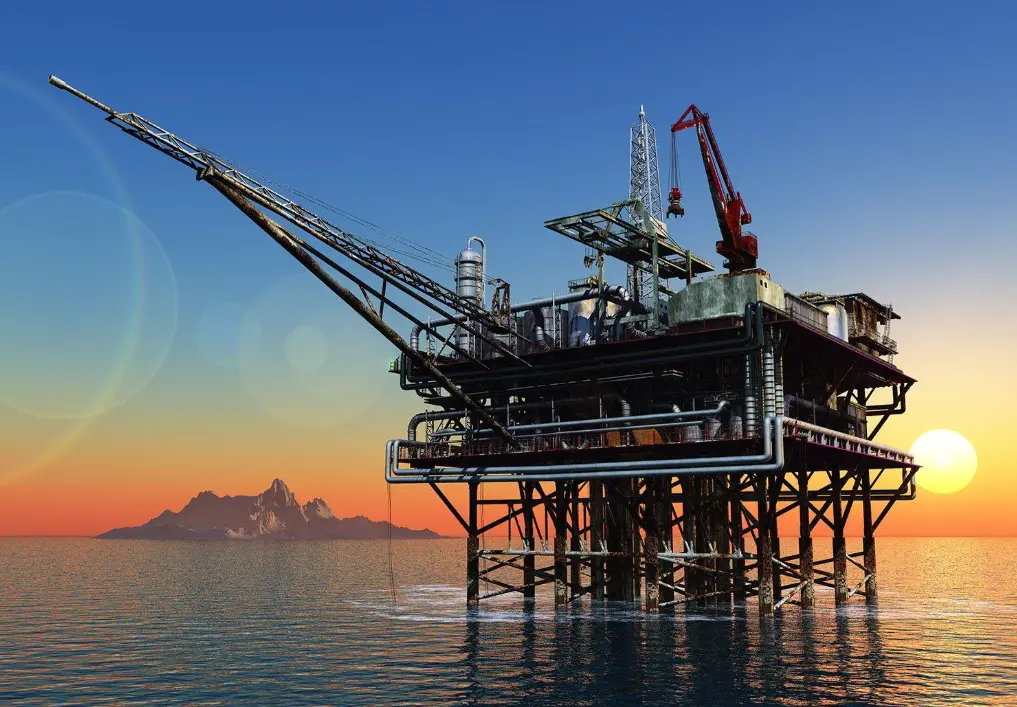
Part 1: Create A Petroleum Engineering Quiz in Minutes Using AI with OnlineExamMaker
Are you looking for an online assessment to test the Petroleum Engineering skills of your learners? OnlineExamMaker uses artificial intelligence to help quiz organizers to create, manage, and analyze exams or tests automatically. Apart from AI features, OnlineExamMaker advanced security features such as full-screen lockdown browser, online webcam proctoring, and face ID recognition.
Recommended features for you:
● Includes a safe exam browser (lockdown mode), webcam and screen recording, live monitoring, and chat oversight to prevent cheating.
● Enhances assessments with interactive experience by embedding video, audio, image into quizzes and multimedia feedback.
● Once the exam ends, the exam scores, question reports, ranking and other analytics data can be exported to your device in Excel file format.
● Offers question analysis to evaluate question performance and reliability, helping instructors optimize their training plan.
Automatically generate questions using AI
Part 2: 20 Petroleum Engineering Quiz Questions & Answers
or
1. Question: What is the primary goal of petroleum engineering?
Options:
A) Maximizing crop yields
B) Efficiently extracting and producing hydrocarbons
C) Building bridges and roads
D) Generating electricity from water
Answer: B
Explanation: Petroleum engineering focuses on the exploration, extraction, and production of oil and gas resources, emphasizing efficiency to meet energy demands while managing costs and risks.
2. Question: Which type of rock is most commonly associated with hydrocarbon reservoirs?
Options:
A) Igneous
B) Sedimentary
C) Metamorphic
D) Volcanic
Answer: B
Explanation: Sedimentary rocks, such as sandstone and limestone, have the porosity and permeability needed to trap and store hydrocarbons over geological time.
3. Question: What is the main function of a drilling mud in oil well drilling?
Options:
A) To increase the well’s temperature
B) To cool the drill bit and carry cuttings to the surface
C) To convert oil into gas
D) To seal the reservoir permanently
Answer: B
Explanation: Drilling mud lubricates and cools the drill bit, removes rock cuttings, and maintains pressure to prevent well blowouts.
4. Question: In reservoir engineering, what does porosity measure?
Options:
A) The rock’s ability to transmit fluids
B) The volume of void spaces in a rock
C) The rock’s compressive strength
D) The temperature of the reservoir
Answer: B
Explanation: Porosity quantifies the percentage of void space in a rock, which determines how much fluid, like oil or gas, the reservoir can hold.
5. Question: Which method is commonly used for enhanced oil recovery (EOR)?
Options:
A) Surface mining
B) Water flooding
C) Wind energy generation
D) Solar panel installation
Answer: B
Explanation: Water flooding injects water into the reservoir to displace oil, increasing pressure and sweeping more hydrocarbons toward production wells.
6. Question: What is the purpose of hydraulic fracturing in petroleum engineering?
Options:
A) To compact the reservoir rock
B) To create fractures in the rock to improve oil and gas flow
C) To drill horizontal wells
D) To refine crude oil
Answer: B
Explanation: Hydraulic fracturing uses high-pressure fluids to crack rock formations, enhancing permeability and allowing trapped hydrocarbons to flow more freely.
7. Question: Which unit is used to measure permeability in reservoirs?
Options:
A) Barrels per day
B) Darcy
C) Pounds per square inch
D) Degrees Celsius
Answer: B
Explanation: Permeability is measured in darcies, indicating the rock’s capacity to allow fluids to pass through its pores.
8. Question: What does API gravity measure in crude oil?
Options:
A) The oil’s color
B) The oil’s density relative to water
C) The oil’s viscosity
D) The oil’s temperature
Answer: B
Explanation: API gravity is a scale that compares the density of crude oil to water, with higher values indicating lighter, less dense oils that are easier to refine.
9. Question: In well logging, what does a gamma ray log primarily detect?
Options:
A) The presence of water
B) Natural radioactivity in rock formations
C) Oil flow rates
D) Drill bit depth
Answer: B
Explanation: Gamma ray logs measure the natural gamma radiation from rocks, helping identify shale layers and assess reservoir quality.
10. Question: Which artificial lift method uses a pump at the surface?
Options:
A) Gas lift
B) Electric submersible pump
C) Rod pumping
D) Progressive cavity pumping
Answer: C
Explanation: Rod pumping involves a surface pump that operates a downhole rod and plunger to lift oil to the surface in low-pressure wells.
11. Question: What is the role of a blowout preventer (BOP) in drilling operations?
Options:
A) To increase drilling speed
B) To seal the wellbore and prevent uncontrolled releases of fluids
C) To filter drilling mud
D) To measure reservoir pressure
Answer: B
Explanation: A BOP is a safety device that seals the wellhead to control pressure and prevent blowouts, which can be catastrophic.
12. Question: Which process is used to separate gas from oil in production?
Options:
A) Distillation
B) Separation using a separator vessel
C) Combustion
D) Filtration
Answer: B
Explanation: A separator vessel uses differences in density and pressure to separate gas from oil and water, allowing for efficient processing.
13. Question: What is the primary advantage of directional drilling?
Options:
A) It reduces the need for multiple wells
B) It only works in vertical formations
C) It increases surface pollution
D) It requires more equipment on site
Answer: A
Explanation: Directional drilling allows access to reservoirs from a single surface location, reducing environmental impact and costs by reaching multiple targets.
14. Question: In petroleum refining, what does cracking do?
Options:
A) Removes impurities from crude oil
B) Breaks large hydrocarbon molecules into smaller ones
C) Adds hydrogen to hydrocarbons
D) Separates oil by color
Answer: B
Explanation: Cracking converts heavy, long-chain hydrocarbons into lighter, more valuable products like gasoline through thermal or catalytic processes.
15. Question: What is the significance of the bubble point in reservoir fluids?
Options:
A) The point where gas fully dissolves in oil
B) The pressure at which gas starts to come out of solution in oil
C) The temperature of the reservoir
D) The volume of oil in the reservoir
Answer: B
Explanation: The bubble point is the pressure threshold where gas begins to separate from oil, affecting production strategies and reservoir behavior.
16. Question: Which seismic method is commonly used for subsurface imaging?
Options:
A) 2D seismic reflection
B) Surface mining surveys
C) Chemical analysis
D) Core sampling
Answer: A
Explanation: 2D seismic reflection uses sound waves to create images of underground structures, helping identify potential hydrocarbon traps.
17. Question: What does the term “water cut” refer to in oil production?
Options:
A) The percentage of water in the produced fluid
B) The depth of water in the reservoir
C) The speed of water injection
D) The color of the water
Answer: A
Explanation: Water cut measures the proportion of water in the total fluid produced from a well, indicating declining oil production efficiency.
18. Question: In reservoir simulation, what is the purpose of a numerical model?
Options:
A) To predict future production rates and optimize recovery
B) To drill the well physically
C) To refine crude oil
D) To measure rock samples
Answer: A
Explanation: Numerical models use computer simulations to forecast reservoir behavior, aiding in decisions for drilling and extraction strategies.
19. Question: Which factor primarily affects the viscosity of crude oil?
Options:
A) The oil’s color
B) Temperature and composition
C) The well’s depth
D) The drilling method
Answer: B
Explanation: Viscosity, or the oil’s resistance to flow, is influenced by temperature (which reduces it) and the types of hydrocarbons present.
20. Question: What is the main environmental concern with offshore drilling?
Options:
A) Oil spills and habitat disruption
B) Increased urban traffic
C) Desertification
D) Air pollution from factories
Answer: A
Explanation: Offshore drilling risks oil spills that can harm marine ecosystems, making containment and safety protocols critical in petroleum engineering.
or
Part 3: Automatically generate quiz questions using OnlineExamMaker AI Question Generator
Automatically generate questions using AI