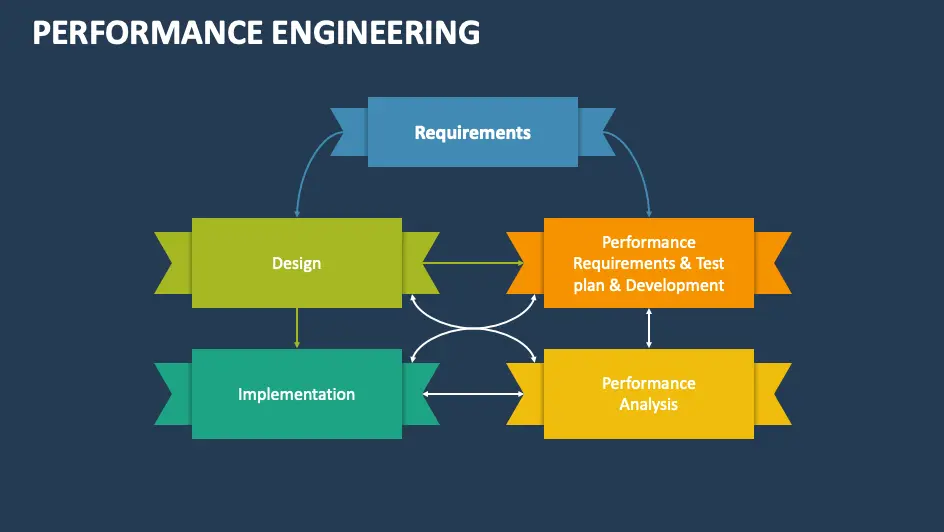
Performance Engineering is a specialized discipline focused on designing, developing, and optimizing software systems to ensure they meet performance requirements such as speed, scalability, reliability, and efficiency. It involves predicting potential bottlenecks, conducting thorough testing (like load and stress tests), and implementing improvements to handle real-world workloads effectively. By integrating principles from computer science, mathematics, and engineering, this field helps create robust applications that deliver seamless user experiences, minimize resource consumption, and adapt to growing demands in areas like cloud computing, mobile apps, and enterprise systems. Ultimately, it plays a critical role in reducing costs, enhancing competitiveness, and preventing performance-related failures in modern technology ecosystems.
Table of Contents
- Part 1: OnlineExamMaker AI Quiz Generator – The Easiest Way to Make Quizzes Online
- Part 2: 20 Performance Engineering Quiz Questions & Answers
- Part 3: Automatically Generate Quiz Questions Using AI Question Generator
Part 1: OnlineExamMaker AI Quiz Generator – The Easiest Way to Make Quizzes Online
Are you looking for an online assessment to test the Performance Engineering skills of your learners? OnlineExamMaker uses artificial intelligence to help quiz organizers to create, manage, and analyze exams or tests automatically. Apart from AI features, OnlineExamMaker advanced security features such as full-screen lockdown browser, online webcam proctoring, and face ID recognition.
Take a product tour of OnlineExamMaker:
● Includes a safe exam browser (lockdown mode), webcam and screen recording, live monitoring, and chat oversight to prevent cheating.
● AI Exam Grader for efficiently grading quizzes and assignments, offering inline comments, automatic scoring, and “fudge points” for manual adjustments.
● Embed quizzes on websites, blogs, or share via email, social media (Facebook, Twitter), or direct links.
● Handles large-scale testing (thousands of exams/semester) without internet dependency, backed by cloud infrastructure.
Automatically generate questions using AI
Part 2: 20 Performance Engineering Quiz Questions & Answers
or
1. Question: What is the primary goal of Performance Engineering?
Options:
A. To eliminate all bugs in software
B. To optimize system performance for efficiency and scalability
C. To design user interfaces
D. To manage data security
Answer: B
Explanation: Performance Engineering focuses on enhancing system efficiency, reducing response times, and ensuring scalability to meet user demands.
2. Question: Which metric measures the number of transactions processed per unit of time?
Options:
A. Latency
B. Throughput
C. Response time
D. Utilization
Answer: B
Explanation: Throughput quantifies how many operations, such as transactions, a system can handle in a given time period, indicating its processing capacity.
3. Question: In Performance Engineering, what does a bottleneck typically refer to?
Options:
A. A feature that enhances speed
B. A point in the system that limits overall performance
C. An increase in system resources
D. A type of software update
Answer: B
Explanation: A bottleneck is a component or process that restricts the system’s ability to perform efficiently, often requiring identification and resolution for optimization.
4. Question: Which tool is commonly used for profiling CPU usage in applications?
Options:
A. Wireshark
B. Perf (Linux Performance Analyzer)
C. JMeter
D. Git
Answer: B
Explanation: Perf is a performance analysis tool that helps monitor and profile CPU usage, identifying inefficiencies in code execution.
5. Question: What is load testing in Performance Engineering?
Options:
A. Testing software under normal conditions
B. Simulating expected usage to evaluate performance
C. Checking for security vulnerabilities
D. Debugging code errors
Answer: B
Explanation: Load testing involves applying simulated user loads to assess how a system behaves under anticipated real-world conditions, ensuring it handles traffic effectively.
6. Question: Which factor is most critical for achieving horizontal scalability?
Options:
A. Increasing CPU speed
B. Adding more servers or nodes
C. Reducing memory usage
D. Optimizing database queries
Answer: B
Explanation: Horizontal scalability is achieved by adding more machines or instances, allowing the system to distribute load and handle increased demand.
7. Question: What does response time measure in a system?
Options:
A. The total time a system is operational
B. The time taken to respond to a user request
C. The frequency of errors
D. The amount of data processed
Answer: B
Explanation: Response time is the duration from when a request is made until the system responds, directly impacting user experience and system efficiency.
8. Question: In Performance Engineering, what is caching primarily used for?
Options:
A. Storing permanent data
B. Temporarily holding frequently accessed data to reduce load times
C. Encrypting sensitive information
D. Running background processes
Answer: B
Explanation: Caching stores data in a faster-access layer, minimizing the need to retrieve it from slower sources, thereby improving overall performance.
9. Question: Which type of testing involves pushing a system beyond its limits?
Options:
A. Unit testing
B. Stress testing
C. Integration testing
D. Regression testing
Answer: B
Explanation: Stress testing evaluates how a system performs under extreme conditions, helping identify failure points and resilience.
10. Question: What is the role of garbage collection in performance optimization?
Options:
A. It manually deletes files
B. It automatically manages memory by reclaiming unused space
C. It speeds up network connections
D. It compiles code faster
Answer: B
Explanation: Garbage collection in languages like Java automates memory management, preventing leaks and ensuring efficient resource use.
11. Question: How does indexing improve database performance?
Options:
A. By slowing down queries
B. By creating faster data retrieval paths
C. By increasing storage space
D. By encrypting data
Answer: B
Explanation: Indexes allow databases to locate and retrieve data more quickly, reducing query execution time and enhancing overall system performance.
12. Question: What is Amdahl’s Law related to in Performance Engineering?
Options:
A. Network latency
B. The theoretical speedup of parallel processing
C. User interface design
D. Data encryption standards
Answer: B
Explanation: Amdahl’s Law calculates the potential improvement in system performance when parallelizing tasks, highlighting limits due to serial components.
13. Question: Which performance metric is most affected by network delays?
Options:
A. Throughput
B. Latency
C. CPU utilization
D. Memory usage
Answer: B
Explanation: Latency measures the delay in data transmission, making it particularly sensitive to network issues that can slow down interactions.
14. Question: In microservices architecture, how is performance typically monitored?
Options:
A. Using a single server log
B. With distributed tracing tools like Jaeger
C. By manual code reviews
D. Through user feedback only
Answer: B
Explanation: Distributed tracing tools track requests across services, helping identify bottlenecks in complex, interconnected systems.
15. Question: What is the purpose of queueing theory in Performance Engineering?
Options:
A. To design user queues for websites
B. To model and analyze waiting times in systems
C. To create backup systems
D. To optimize graphics
Answer: B
Explanation: Queueing theory helps predict and manage delays in systems where resources are shared, improving efficiency and resource allocation.
16. Question: Which technique is used to identify memory leaks?
Options:
A. Code formatting
B. Heap profiling
C. SQL queries
D. UI testing
Answer: B
Explanation: Heap profiling examines memory usage over time, detecting leaks where memory is allocated but not released, causing performance degradation.
17. Question: How does virtualization impact performance in cloud environments?
Options:
A. It always improves speed
B. It can introduce overhead due to abstraction layers
C. It eliminates the need for hardware
D. It reduces data storage
Answer: B
Explanation: Virtualization adds layers between hardware and software, which can cause slight performance overhead, though it enables better resource management.
18. Question: What is the key benefit of using asynchronous processing?
Options:
A. It simplifies code structure
B. It allows tasks to run without blocking the main thread, improving responsiveness
C. It reduces network usage
D. It encrypts data automatically
Answer: B
Explanation: Asynchronous processing enables non-blocking operations, allowing systems to handle multiple tasks efficiently and maintain performance under load.
19. Question: In Performance Engineering, what does SLA stand for and why is it important?
Options:
A. Software License Agreement, for legal purposes
B. Service Level Agreement, to define performance expectations
C. System Load Analysis, for monitoring
D. Secure Link Access, for security
Answer: B
Explanation: An SLA outlines agreed-upon performance metrics, ensuring that services meet specific standards and helping maintain reliability.
20. Question: Which strategy is effective for optimizing I/O-bound applications?
Options:
A. Increasing CPU cores
B. Using buffering and batching techniques
C. Adding more RAM
D. Reducing code complexity
Answer: B
Explanation: Buffering and batching minimize I/O operations by grouping data, reducing the frequency of reads and writes, and improving overall efficiency.
or
Part 3: Automatically generate quiz questions using OnlineExamMaker AI Question Generator
Automatically generate questions using AI