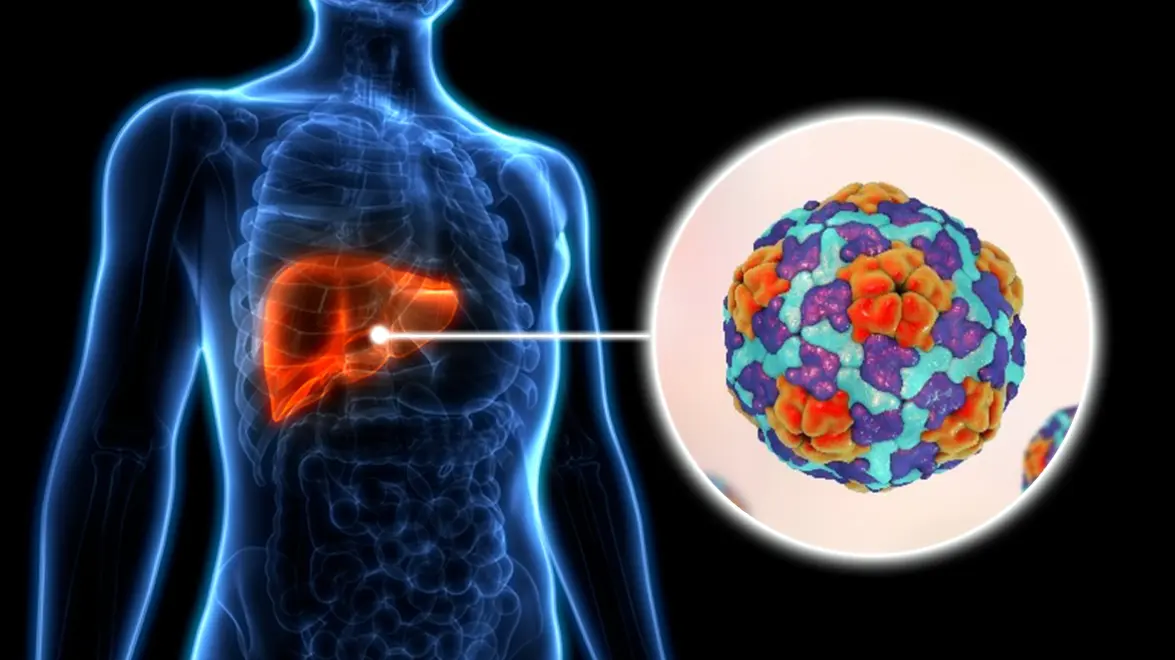
Hepatitis is an inflammation of the liver, often caused by viral infections, but it can also result from alcohol use, toxins, autoimmune diseases, or medications. There are five main types of viral hepatitis: A, B, C, D, and E.
– Hepatitis A: Typically spread through contaminated food or water, it’s acute and usually resolves without long-term damage. Vaccination is highly effective for prevention.
– Hepatitis B: Transmitted via blood, semen, or other body fluids, often through sexual contact, sharing needles, or from mother to child during birth. It can become chronic, leading to liver cirrhosis or cancer. Vaccines and antiviral treatments are available.
– Hepatitis C: Mainly spread through blood-to-blood contact, such as sharing needles. It’s the most common cause of chronic liver disease in the U.S. and can be treated with direct-acting antivirals, though no vaccine exists yet.
– Hepatitis D: Only occurs in people already infected with Hepatitis B, worsening the condition. It’s transmitted similarly to Hepatitis B.
– Hepatitis E: Similar to Hepatitis A, it’s spread through contaminated water and is more common in developing regions. It’s usually self-limiting, and vaccines are available in some countries.
Symptoms may include fatigue, jaundice (yellowing of the skin and eyes), abdominal pain, dark urine, nausea, and loss of appetite. Some cases are asymptomatic.
Prevention involves vaccination (for A and B), safe sex practices, avoiding shared needles, and maintaining good hygiene. Treatment depends on the type and severity, ranging from supportive care to antiviral medications and, in advanced cases, liver transplants. Early diagnosis through blood tests is crucial for effective management.
Table of Contents
- Part 1: Create A Hepatitis Quiz in Minutes Using AI with OnlineExamMaker
- Part 2: 20 Hepatitis Quiz Questions & Answers
- Part 3: OnlineExamMaker AI Question Generator: Generate Questions for Any Topic
Part 1: Create A Hepatitis Quiz in Minutes Using AI with OnlineExamMaker
When it comes to ease of creating a Hepatitis skills assessment, OnlineExamMaker is one of the best AI-powered quiz making software for your institutions or businesses. With its AI Question Generator, just upload a document or input keywords about your assessment topic, you can generate high-quality quiz questions on any topic, difficulty level, and format.
Overview of its key assessment-related features:
● AI Question Generator to help you save time in creating quiz questions automatically.
● Share your online exam with audiences on social platforms like Facebook, Twitter, Reddit and more.
● Instantly scores objective questions and subjective answers use rubric-based scoring for consistency.
● Simply copy and insert a few lines of embed codes to display your online exams on your website or WordPress blog.
Automatically generate questions using AI
Part 2: 20 Hepatitis Quiz Questions & Answers
or
1. What is the primary mode of transmission for Hepatitis A?
A. Sexual contact
B. Blood transfusion
C. Fecal-oral route
D. Sharing needles
Answer: C
Explanation: Hepatitis A is mainly transmitted through the fecal-oral route, often via contaminated food or water, as it is caused by a virus that thrives in unsanitary conditions.
2. Which type of Hepatitis is most commonly transmitted through contaminated blood or needles?
A. Hepatitis A
B. Hepatitis B
C. Hepatitis C
D. Hepatitis D
Answer: C
Explanation: Hepatitis C is primarily spread through exposure to infected blood, such as via shared needles, making it a common concern among intravenous drug users.
3. What is the incubation period for Hepatitis B?
A. 1-2 weeks
B. 2-6 weeks
C. 6 weeks to 6 months
D. 1-2 years
Answer: C
Explanation: The incubation period for Hepatitis B typically ranges from 6 weeks to 6 months, during which the virus can be present in the blood before symptoms appear.
4. Which Hepatitis virus can only infect individuals who are already infected with Hepatitis B?
A. Hepatitis A
B. Hepatitis C
C. Hepatitis D
D. Hepatitis E
Answer: C
Explanation: Hepatitis D requires the presence of Hepatitis B virus to replicate, as it is a defective virus that uses the Hepatitis B surface antigen for infection.
5. What is a common symptom of acute Hepatitis?
A. Rash
B. Jaundice
C. Seizures
D. Bone pain
Answer: B
Explanation: Jaundice, characterized by yellowing of the skin and eyes, is a hallmark symptom of acute Hepatitis due to the buildup of bilirubin in the body.
6. How is Hepatitis E primarily transmitted?
A. Through sexual contact
B. Via contaminated water
C. Blood transfusions
D. Airborne droplets
Answer: B
Explanation: Hepatitis E is mainly transmitted through the fecal-oral route, often via contaminated drinking water, especially in areas with poor sanitation.
7. Which Hepatitis vaccine is routinely recommended for all children?
A. Hepatitis A vaccine
B. Hepatitis B vaccine
C. Hepatitis C vaccine
D. Hepatitis D vaccine
Answer: B
Explanation: The Hepatitis B vaccine is part of routine childhood immunization schedules worldwide to prevent infection, which can lead to chronic liver disease.
8. What is the most effective way to prevent Hepatitis B transmission from mother to child?
A. Breastfeeding avoidance
B. Vaccination at birth
C. Antibiotic treatment
D. Isolation of the mother
Answer: B
Explanation: Administering the Hepatitis B vaccine and immunoglobulin to newborns of infected mothers within 12 hours of birth significantly reduces transmission risk.
9. Which laboratory test is used to detect Hepatitis B surface antigen (HBsAg)?
A. PCR test
B. ELISA test
C. Liver biopsy
D. Blood culture
Answer: B
Explanation: The ELISA test is commonly used to detect HBsAg, indicating active Hepatitis B infection, as it is a sensitive and specific serological assay.
10. What is a potential long-term complication of chronic Hepatitis C?
A. Diabetes
B. Cirrhosis
C. Heart disease
D. Asthma
Answer: B
Explanation: Chronic Hepatitis C can lead to cirrhosis, a condition where liver tissue is replaced by scar tissue, potentially progressing to liver failure or cancer.
11. Which Hepatitis type is often associated with outbreaks in developing countries due to poor hygiene?
A. Hepatitis B
B. Hepatitis C
C. Hepatitis A
D. Hepatitis E
Answer: C
Explanation: Hepatitis A is frequently linked to outbreaks in regions with inadequate sanitation, as it spreads through contaminated food and water.
12. How does Hepatitis D differ from other Hepatitis viruses?
A. It is only sexually transmitted
B. It requires co-infection with Hepatitis B
C. It has no vaccine
D. It is airborne
Answer: B
Explanation: Hepatitis D cannot replicate on its own and must co-infect with Hepatitis B, making it unique among Hepatitis viruses.
13. What is the typical treatment for chronic Hepatitis B?
A. Antibiotics
B. Antiviral medications
C. Surgery
D. Radiation therapy
Answer: B
Explanation: Antiviral drugs, such as tenofovir or entecavir, are used to manage chronic Hepatitis B by suppressing viral replication and reducing liver damage.
14. Which population is at highest risk for Hepatitis C infection?
A. Young children
B. Intravenous drug users
C. Elderly individuals
D. Pregnant women
Answer: B
Explanation: Intravenous drug users are at the highest risk due to the sharing of needles, which directly exposes them to infected blood.
15. What role does the liver play in Hepatitis infections?
A. It produces insulin
B. It filters toxins and is the primary site of viral replication
C. It regulates blood pressure
D. It stores calcium
Answer: B
Explanation: In Hepatitis, the virus primarily targets the liver, leading to inflammation and impaired function in filtering toxins and processing nutrients.
16. How can Hepatitis A and E be prevented in travelers to endemic areas?
A. Using condoms
B. Drinking bottled water and eating cooked food
C. Taking antibiotics
D. Avoiding sunlight
Answer: B
Explanation: Consuming safe, boiled water and thoroughly cooked food helps prevent Hepatitis A and E, which are transmitted through contaminated sources.
17. What is the cure rate for Hepatitis C with direct-acting antiviral drugs?
A. 10-20%
B. 50-60%
C. 90-95%
D. 100%
Answer: C
Explanation: Direct-acting antiviral treatments for Hepatitis C achieve a cure rate of 90-95% in most patients, leading to sustained virological response.
18. Which Hepatitis virus is not considered a chronic infection?
A. Hepatitis B
B. Hepatitis C
C. Hepatitis A
D. Hepatitis D
Answer: C
Explanation: Hepatitis A typically causes an acute infection that resolves within weeks, unlike Hepatitis B, C, and D, which can become chronic.
19. What is the first line of defense against Hepatitis B infection?
A. Antiviral therapy
B. Vaccination
C. Dietary changes
D. Exercise
Answer: B
Explanation: Vaccination is the most effective preventive measure against Hepatitis B, providing long-term immunity by stimulating antibody production.
20. How does alcohol consumption affect individuals with Hepatitis C?
A. It improves liver function
B. It accelerates liver damage
C. It has no effect
D. It cures the infection
Answer: B
Explanation: Alcohol consumption exacerbates liver damage in Hepatitis C patients by promoting inflammation and fibrosis, worsening the progression to cirrhosis.
or
Part 3: OnlineExamMaker AI Question Generator: Generate Questions for Any Topic
Automatically generate questions using AI