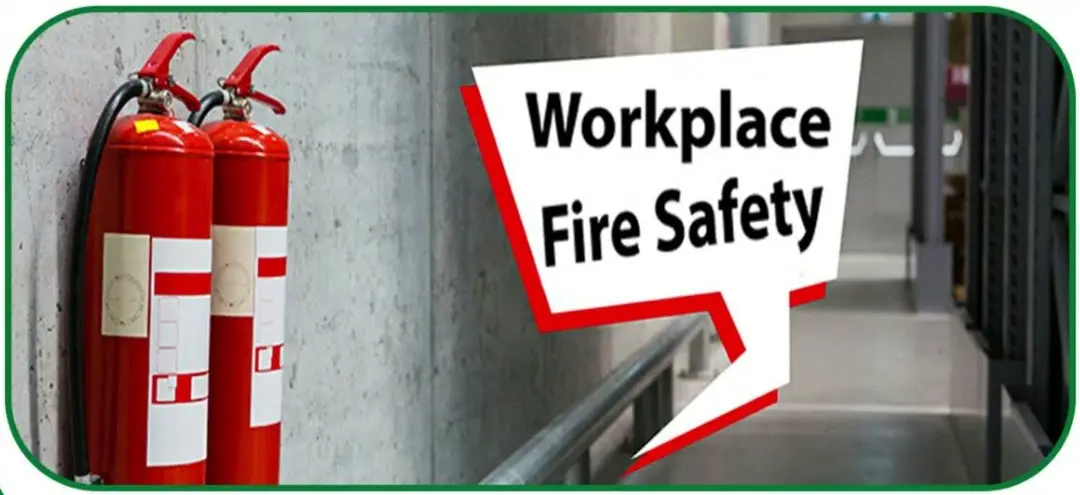
Workplace fire safety is essential for protecting employees, assets, and operations from the devastating effects of fires. It involves proactive measures to prevent incidents and effective responses when they occur.
Key Risks and Causes
Fires in workplaces often stem from electrical faults, flammable materials, human error, or equipment malfunctions. Common hazards include overloaded circuits, improper storage of chemicals, smoking in restricted areas, and poor housekeeping that allows combustible waste to accumulate. Industries like manufacturing, construction, and hospitality face higher risks due to the presence of heat sources, fuels, and ignition points.
Prevention Strategies
To minimize fire risks, workplaces should conduct regular risk assessments to identify potential hazards. Install and maintain fire detection systems, such as smoke alarms and sprinklers, and ensure clear evacuation routes with well-marked exits. Proper storage of flammable substances in designated areas, along with routine electrical inspections, is crucial. Employees must be trained on safe practices, including avoiding unattended cooking or heating equipment and reporting any suspicious odors or sparks immediately.
Emergency Procedures
In the event of a fire, follow the RACE protocol: Rescue anyone in immediate danger, Activate the alarm, Confine the fire by closing doors, and Evacuate to a safe assembly point. Designate fire wardens to guide evacuations and conduct headcounts. Use fire extinguishers only if trained and the fire is small; otherwise, prioritize evacuation. Regular fire drills help reinforce these procedures and ensure everyone knows their roles.
Roles and Responsibilities
Employers are responsible for complying with local fire safety regulations, such as those from OSHA in the US or equivalent bodies elsewhere. This includes providing fire safety training, maintaining equipment, and updating emergency plans. Employees should participate actively by adhering to safety protocols, reporting hazards, and attending training sessions.
Legal and Training Requirements
Most jurisdictions mandate fire safety plans, including risk assessments and employee training. Organizations should document these efforts and conduct annual reviews. Training programs cover fire prevention, extinguisher use, and first aid for burns, empowering staff to respond confidently.
By prioritizing fire safety, workplaces can create a secure environment that reduces risks and ensures business continuity. Regular audits and a culture of vigilance are key to long-term success.
Table of Contents
- Part 1: Create An Amazing Workplace Fire Safety Quiz Using AI Instantly in OnlineExamMaker
- Part 2: 20 Workplace Fire Safety Quiz Questions & Answers
- Part 3: Save Time and Energy: Generate Quiz Questions with AI Technology
Part 1: Create An Amazing Workplace Fire Safety Quiz Using AI Instantly in OnlineExamMaker
Nowadays more and more people create Workplace Fire Safety quizzes using AI technologies, OnlineExamMaker a powerful AI-based quiz making tool that can save you time and efforts. The software makes it simple to design and launch interactive quizzes, assessments, and surveys. With the Question Editor, you can create multiple-choice, open-ended, matching, sequencing and many other types of questions for your tests, exams and inventories. You are allowed to enhance quizzes with multimedia elements like images, audio, and video to make them more interactive and visually appealing.
Recommended features for you:
● Prevent cheating by randomizing questions or changing the order of questions, so learners don’t get the same set of questions each time.
● Automatically generates detailed reports—individual scores, question report, and group performance.
● Simply copy a few lines of codes, and add them to a web page, you can present your online quiz in your website, blog, or landing page.
● Offers question analysis to evaluate question performance and reliability, helping instructors optimize their training plan.
Automatically generate questions using AI
Part 2: 20 Workplace Fire Safety Quiz Questions & Answers
or
1. What is the most common cause of workplace fires?
A. Electrical faults
B. Smoking materials
C. Arson
D. Chemical spills
Answer: A
Explanation: Electrical faults are a leading cause of workplace fires due to overloaded circuits, faulty wiring, and improper use of electrical equipment, which can ignite surrounding materials.
2. Which of the following is NOT a class of fire?
A. Class A: Ordinary combustibles
B. Class B: Flammable liquids
C. Class C: Electrical equipment
D. Class E: Metals
Answer: D
Explanation: Fires are classified as A, B, C, D (for metals), and K (for kitchen fires), but Class E does not exist; it is often confused with Class C for electrical fires.
3. What should you do first if you discover a fire in the workplace?
A. Try to extinguish it yourself
B. Evacuate the building immediately
C. Notify your supervisor
D. Activate the fire alarm
Answer: D
Explanation: Activating the fire alarm ensures that everyone is alerted and can evacuate safely, allowing for an organized response before attempting to fight the fire.
4. Which fire extinguisher is suitable for electrical fires?
A. Water extinguisher
B. Foam extinguisher
C. CO2 extinguisher
D. Dry powder extinguisher
Answer: C
Explanation: CO2 extinguishers are non-conductive and safe for electrical fires as they displace oxygen without leaving residue, reducing the risk of electric shock.
5. What does the “R” in RACE stand for in fire emergency procedures?
A. Rescue
B. Run
C. Respond
D. Report
Answer: A
Explanation: RACE stands for Rescue, Alarm, Confine, and Extinguish; the first step is to rescue anyone in immediate danger before proceeding.
6. True or False: It is safe to open a door if it feels hot during a fire evacuation?
A. True
B. False
Answer: B
Explanation: A hot door may indicate fire on the other side, which could lead to a backdraft or rapid fire spread, so you should not open it and find another escape route.
7. Which of the following is a primary fire prevention measure in the workplace?
A. Storing flammable liquids near heat sources
B. Regular maintenance of electrical systems
C. Overloading power outlets
D. Ignoring fire drills
Answer: B
Explanation: Regular maintenance of electrical systems helps identify and fix potential hazards, reducing the risk of fires caused by faulty equipment.
8. What is the purpose of a fire warden in the workplace?
A. To fight fires directly
B. To lead evacuations and ensure safety protocols
C. To inspect fire extinguishers only
D. To handle insurance claims
Answer: B
Explanation: Fire wardens are responsible for guiding employees during evacuations, checking for missing persons, and coordinating with emergency services.
9. How often should fire extinguishers be inspected in the workplace?
A. Once a year
B. Every six months
C. Monthly
D. Only after use
Answer: C
Explanation: Fire extinguishers should be inspected monthly to ensure they are in working order, as per safety regulations, to guarantee readiness in an emergency.
10. What should you avoid doing during a fire evacuation?
A. Using the stairs
B. Using the elevator
C. Staying low to the ground
D. Closing doors behind you
Answer: B
Explanation: Elevators can malfunction or become trapped during fires due to power outages or smoke, making stairs the safer option for evacuation.
11. Which material is most likely to cause a flash fire in the workplace?
A. Paper
B. Flammable gases
C. Wood
D. Plastics
Answer: B
Explanation: Flammable gases can ignite rapidly and cause flash fires due to their high volatility and ability to mix with air, creating explosive mixtures.
12. What is the correct way to use a fire extinguisher?
A. Aim at the base of the fire and sweep side to side
B. Spray directly into the flames
C. Hold it upside down
D. Use it from a distance without aiming
Answer: A
Explanation: The PASS method (Pull, Aim, Squeeze, Sweep) instructs to aim at the base of the fire to cut off its fuel source and sweep to cover the area effectively.
13. In a workplace, who is responsible for ensuring fire safety compliance?
A. Only the employees
B. Management and safety officers
C. Fire department exclusively
D. Janitorial staff
Answer: B
Explanation: Management and designated safety officers are responsible for implementing and enforcing fire safety policies to protect all employees.
14. What is a common sign of an impending fire hazard?
A. Faint smoke smell
B. Bright lighting
C. Clean air vents
D. Low humidity
Answer: A
Explanation: A faint smoke smell can indicate overheating or smoldering materials, which are early warnings of a potential fire that should be investigated immediately.
15. During a fire drill, what should employees practice?
A. Hiding under desks
B. Evacuating to assembly points
C. Turning off lights
D. Locking doors
Answer: B
Explanation: Fire drills simulate real emergencies, focusing on quick and orderly evacuation to designated assembly points to ensure accountability and safety.
16. Which type of fire is best extinguished with water?
A. Electrical fire
B. Flammable liquid fire
C. Ordinary combustibles fire
D. Metal fire
Answer: C
Explanation: Water is effective for Class A fires involving ordinary combustibles like paper or wood, as it cools and extinguishes the burning material.
17. What does OSHA require for workplace fire safety?
A. No fire drills
B. Emergency exit plans and training
C. Only verbal instructions
D. Fire extinguishers in storage only
Answer: B
Explanation: OSHA mandates that workplaces have emergency exit plans, regular training, and drills to prepare employees for fire emergencies and ensure compliance.
18. Why is it important to keep fire exits clear?
A. To make the workplace look neat
B. To allow quick evacuation during a fire
C. To store extra equipment
D. To reduce cleaning costs
Answer: B
Explanation: Keeping fire exits clear ensures that employees can exit quickly and safely in an emergency, preventing delays that could lead to injuries or fatalities.
19. What should you do if your clothing catches fire?
A. Run to find help
B. Stop, drop, and roll
C. Stand still and shout
D. Pour water on it
Answer: B
Explanation: The stop, drop, and roll technique extinguishes flames on clothing by smothering the fire with the ground and reducing oxygen supply.
20. How can workplaces reduce the risk of kitchen fires?
A. Leaving grease buildup on stoves
B. Using timers and proper ventilation
C. Overheating appliances intentionally
D. Storing oily rags near heat
Answer: B
Explanation: Using timers to monitor cooking and proper ventilation to remove flammable vapors helps prevent kitchen fires caused by overheated food or grease.
or
Part 3: Save Time and Energy: Generate Quiz Questions with AI Technology
Automatically generate questions using AI