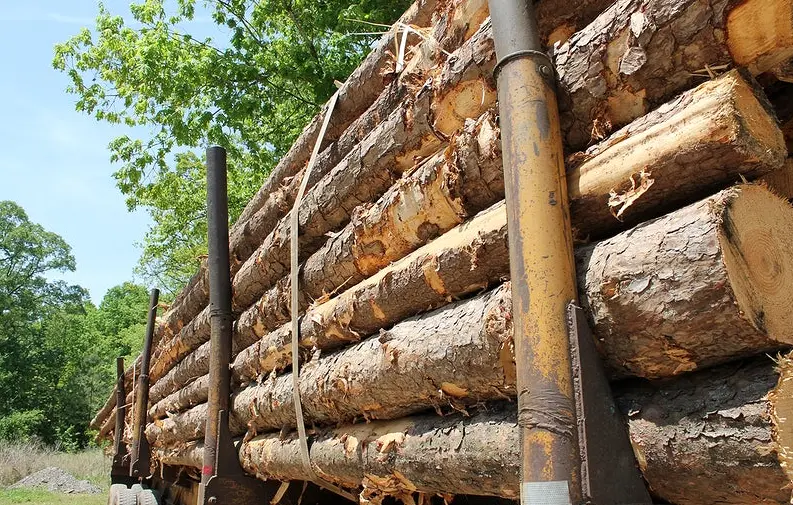
The wood industry encompasses the harvesting, processing, and manufacturing of wood products derived from trees, playing a vital role in global economies. It includes key sectors such as forestry, logging, sawmilling, pulp and paper production, and the creation of finished goods like furniture, construction materials, and biofuels. This industry contributes significantly to employment, with millions of jobs worldwide, particularly in regions like North America, Europe, and Asia-Pacific.
Economically, the wood industry generates billions in revenue annually, driven by demand for sustainable building materials and renewable resources. In 2023, global wood production exceeded 2 billion cubic meters, with major producers including the United States, Canada, Russia, and China. It supports construction, packaging, and energy sectors, while also influencing trade policies due to its export value.
Sustainability is a growing focus, addressing challenges like deforestation and climate change. Practices such as certified sustainable forestry (e.g., FSC standards) and reforestation efforts aim to balance resource use with environmental protection. Technological advancements, including automated milling and bio-based innovations, are enhancing efficiency and reducing waste, positioning the industry for future growth amid shifting consumer preferences toward eco-friendly products.
Table of Contents
- Part 1: OnlineExamMaker AI Quiz Maker – Make A Free Quiz in Minutes
- Part 2: 20 Wood Industry Quiz Questions & Answers
- Part 3: OnlineExamMaker AI Question Generator: Generate Questions for Any Topic
Part 1: OnlineExamMaker AI Quiz Maker – Make A Free Quiz in Minutes
Still spend a lot of time in editing questions for your next Wood Industry assessment? OnlineExamMaker is an AI quiz maker that leverages artificial intelligence to help users create quizzes, tests, and assessments quickly and efficiently. You can start by inputting a topic or specific details into the OnlineExamMaker AI Question Generator, and the AI will generate a set of questions almost instantly. It also offers the option to include answer explanations, which can be short or detailed, helping learners understand their mistakes.
What you may like:
● Automatic grading and insightful reports. Real-time results and interactive feedback for quiz-takers.
● The exams are automatically graded with the results instantly, so that teachers can save time and effort in grading.
● LockDown Browser to restrict browser activity during quizzes to prevent students searching answers on search engines or other software.
● Create certificates with personalized company logo, certificate title, description, date, candidate’s name, marks and signature.
Automatically generate questions using AI
Part 2: 20 Wood Industry Quiz Questions & Answers
or
1. Question: What is the primary difference between hardwood and softwood?
A) Hardness
B) Origin from angiosperm or gymnosperm trees
C) Color
D) Density
Answer: B
Explanation: Hardwoods come from angiosperm trees, which are broad-leaved, while softwoods come from gymnosperm trees, which are coniferous.
2. Question: Which process is used to remove moisture from freshly cut wood?
A) Kiln drying
B) Sawing
C) Planing
D) Gluing
Answer: A
Explanation: Kiln drying involves heating wood in a controlled environment to reduce its moisture content, preventing warping and decay.
3. Question: What is the main environmental concern associated with the wood industry?
A) Overfishing
B) Deforestation
C) Air pollution from factories
D) Water scarcity in deserts
Answer: B
Explanation: Deforestation leads to loss of biodiversity and habitat, making it a primary concern in the wood industry.
4. Question: Which tool is commonly used for cutting wood into precise shapes?
A) Hammer
B) Jigsaw
C) Screwdriver
D) Paintbrush
Answer: B
Explanation: A jigsaw is a power tool with a reciprocating blade that allows for intricate and curved cuts in wood.
5. Question: What does the term “sustainable forestry” mean?
A) Cutting all trees in an area
B) Managing forests to meet current needs without compromising future generations
C) Planting only fast-growing species
D) Exporting wood to other countries
Answer: B
Explanation: Sustainable forestry ensures that forests are harvested at a rate that allows for regeneration and long-term ecological balance.
6. Question: Which type of wood is typically used for outdoor furniture due to its resistance to decay?
A) Pine
B) Cedar
C) Oak
D) Maple
Answer: B
Explanation: Cedar has natural oils that make it resistant to rot, insects, and moisture, ideal for outdoor applications.
7. Question: What is plywood primarily made from?
A) A single solid piece of wood
B) Thin layers of wood glued together
C) Compressed sawdust
D) Metal reinforcements
Answer: B
Explanation: Plywood is constructed from multiple thin veneers of wood bonded with adhesives, providing strength and stability.
8. Question: Which factor affects the density of wood?
A) The age of the tree
B) The species and growth conditions
C) The color of the bark
D) The height of the tree
Answer: B
Explanation: Wood density varies by species and environmental factors like soil nutrients and climate, influencing its weight and strength.
9. Question: What is the purpose of seasoning wood?
A) To add color
B) To reduce moisture content and stabilize the wood
C) To increase its weight
D) To make it softer
Answer: B
Explanation: Seasoning allows wood to dry gradually, minimizing shrinkage, cracking, and warping during use.
10. Question: Which certification indicates that wood products come from responsibly managed forests?
A) ISO 9001
B) FSC (Forest Stewardship Council)
C) CE marking
D) UL certification
Answer: B
Explanation: FSC certification ensures that wood is sourced from forests managed with environmental, social, and economic standards.
11. Question: What is the grain of wood?
A) The color pattern on the surface
B) The direction of the wood fibers
C) The knots in the wood
D) The moisture level
Answer: B
Explanation: Grain refers to the alignment of wood fibers, which affects how the wood cuts, bends, and finishes.
12. Question: Which wood processing method involves removing the bark from logs?
A) Debarking
B) Laminating
C) Veneering
D) Chipping
Answer: A
Explanation: Debarking uses machinery to strip the outer bark from logs, preparing them for further processing like sawing.
13. Question: What is the role of adhesives in the wood industry?
A) To paint the wood
B) To bond layers or pieces of wood together
C) To polish the surface
D) To add fragrance
Answer: B
Explanation: Adhesives, such as glue, are essential for creating composite products like plywood and furniture by securely joining wood components.
14. Question: Which type of saw is best for making straight cuts in large timber?
A) Circular saw
B) Bandsaw
C) Handsaw
D) Coping saw
Answer: A
Explanation: A circular saw is designed for efficient, straight cuts through thick materials like large timber pieces.
15. Question: What causes wood to warp?
A) Even drying
B) Uneven moisture content
C) Painting the surface
D) Adding weight
Answer: B
Explanation: Warping occurs when wood dries unevenly, causing internal stresses that twist or bend the material.
16. Question: Which wood product is commonly used in construction for framing?
A) Veneer
B) Lumber
C) Particleboard
D) Cork
Answer: B
Explanation: Lumber, or dimensional wood, is cut to standard sizes and used as the structural framework in buildings.
17. Question: What is the impact of kiln drying on wood?
A) It makes wood heavier
B) It speeds up the drying process and kills insects
C) It increases moisture
D) It changes the color to darker shades
Answer: B
Explanation: Kiln drying not only removes moisture quickly but also eliminates pests and fungi, improving wood quality.
18. Question: Which factor is most important in selecting wood for furniture?
A) The price
B) The durability and aesthetic appeal
C) The weight
D) The origin country
Answer: B
Explanation: Durability ensures longevity, while aesthetic appeal, like grain patterns, affects the visual quality of furniture.
19. Question: What is cross-lamination in engineered wood?
A) Gluing wood layers in the same direction
B) Arranging wood layers at right angles for strength
C) Painting layers for protection
D) Cutting wood into crosses
Answer: B
Explanation: Cross-lamination involves stacking wood veneers perpendicularly, enhancing stability and resistance to warping.
20. Question: How does the wood industry contribute to carbon sequestration?
A) By releasing carbon during processing
B) Through tree growth that absorbs CO2
C) By increasing fossil fuel use
D) By deforestation
Answer: B
Explanation: Growing trees in managed forests absorb carbon dioxide from the atmosphere, helping mitigate climate change.
or
Part 3: OnlineExamMaker AI Question Generator: Generate Questions for Any Topic
Automatically generate questions using AI