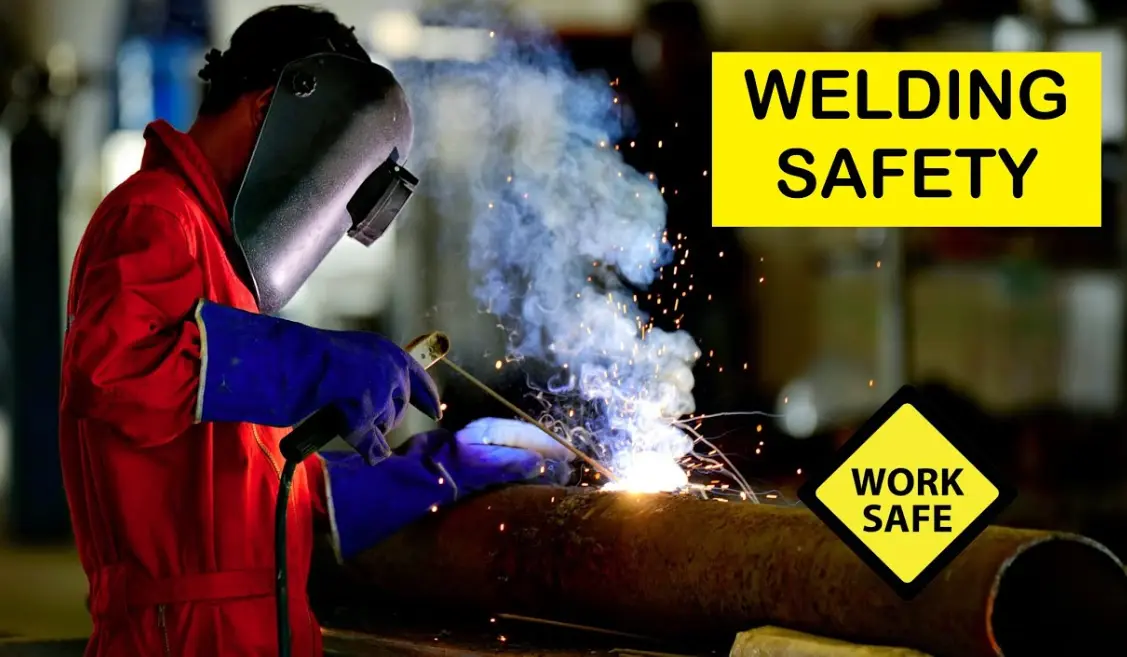
Welding safety is essential to prevent accidents, injuries, and health risks in any welding operation. Always wear appropriate personal protective equipment, including a welding helmet with the correct shade lens, flame-resistant clothing, leather gloves, safety boots, and ear protection to shield against heat, sparks, radiation, and noise. Ensure proper ventilation in the workspace to remove harmful fumes and gases, using exhaust systems or respirators as needed to avoid respiratory issues. Maintain a clean work area by removing flammable materials, using fire-resistant barriers, and keeping a fire extinguisher nearby to minimize fire hazards. For electrical welding, inspect cables and equipment for damage, use proper grounding, and avoid wet conditions to prevent shocks. Follow safe practices such as securing cylinders upright, using flashback arrestors on gas lines, and never leaving hot equipment unattended. Regular training, adherence to standards like those from OSHA or ANSI, and routine equipment maintenance are critical to ensure a safe welding environment for all involved.
Table of Contents
- Part 1: OnlineExamMaker AI Quiz Generator – The Easiest Way to Make Quizzes Online
- Part 2: 20 Welding Safety Quiz Questions & Answers
- Part 3: AI Question Generator – Automatically Create Questions for Your Next Assessment
Part 1: OnlineExamMaker AI Quiz Generator – The Easiest Way to Make Quizzes Online
Are you looking for an online assessment to test the Welding Safety skills of your learners? OnlineExamMaker uses artificial intelligence to help quiz organizers to create, manage, and analyze exams or tests automatically. Apart from AI features, OnlineExamMaker advanced security features such as full-screen lockdown browser, online webcam proctoring, and face ID recognition.
Take a product tour of OnlineExamMaker:
● Includes a safe exam browser (lockdown mode), webcam and screen recording, live monitoring, and chat oversight to prevent cheating.
● AI Exam Grader for efficiently grading quizzes and assignments, offering inline comments, automatic scoring, and “fudge points” for manual adjustments.
● Embed quizzes on websites, blogs, or share via email, social media (Facebook, Twitter), or direct links.
● Handles large-scale testing (thousands of exams/semester) without internet dependency, backed by cloud infrastructure.
Automatically generate questions using AI
Part 2: 20 Welding Safety Quiz Questions & Answers
or
1. What is the primary function of a welding helmet?
A. To protect the eyes and face from radiation and spatter
B. To keep the welder’s head warm in cold environments
C. To store welding tools
D. To improve balance while welding
Answer: A
Explanation: A welding helmet shields the welder’s eyes and face from harmful ultraviolet and infrared radiation, as well as molten metal spatter, reducing the risk of burns and eye injuries.
2. Which personal protective equipment (PPE) is essential for protecting hands during welding?
A. Leather gloves
B. Cotton gloves
C. Plastic gloves
D. Rubber gloves
Answer: A
Explanation: Leather gloves provide heat resistance and protection against cuts, burns, and electrical shocks, making them suitable for welding tasks.
3. What should be the minimum safe distance for flammable materials from a welding area?
A. 35 feet
B. 10 feet
C. 50 feet
D. 20 feet
Answer: A
Explanation: Maintaining at least 35 feet of distance for flammable materials helps prevent ignition from sparks, heat, or fire hazards generated during welding.
4. Why is proper ventilation important in welding?
A. To remove toxic fumes and gases
B. To cool the welding equipment
C. To reduce noise levels
D. To improve lighting in the workspace
Answer: A
Explanation: Ventilation systems dilute and remove hazardous fumes and gases like ozone and metal vapors, preventing respiratory issues and long-term health risks.
5. What is the correct way to handle a compressed gas cylinder?
A. Secure it in an upright position and use a cart for transport
B. Lay it flat on the ground
C. Store it near heat sources
D. Leave valves open when not in use
Answer: A
Explanation: Securing cylinders upright and using a cart prevents them from falling, which could cause leaks or explosions, and ensures safe transportation.
6. Which type of fire extinguisher is most suitable for welding-related fires?
A. Class ABC
B. Class B only
C. Class A only
D. Class D
Answer: A
Explanation: A Class ABC extinguisher can handle ordinary combustibles, flammable liquids, and electrical fires, which are common in welding environments.
7. What should welders do before starting arc welding?
A. Inspect cables and equipment for damage
B. Turn off all lights in the area
C. Work without grounding the equipment
D. Ignore any unusual noises
Answer: A
Explanation: Inspecting cables and equipment ensures they are in good condition, preventing electrical shocks, short circuits, or equipment failure.
8. Why must welding be avoided in confined spaces without proper precautions?
A. Due to the risk of oxygen deficiency and fume buildup
B. To save time on setup
C. Because it improves productivity
D. To reduce the need for PPE
Answer: A
Explanation: Confined spaces can trap toxic gases and reduce oxygen levels, leading to asphyxiation or explosions if ventilation and monitoring are not in place.
9. What is the main hazard associated with using acetylene gas in welding?
A. It is highly flammable and can explode if mishandled
B. It causes minor skin irritation
C. It improves weld quality
D. It is non-toxic
Answer: A
Explanation: Acetylene is extremely flammable and unstable, requiring proper storage and handling to prevent fires, explosions, and accidents.
10. How should welding cables be positioned to ensure safety?
A. Kept away from walkways and heat sources
B. Wrapped around the welder’s body
C. Left in puddles of water
D. Overloaded with multiple connections
Answer: A
Explanation: Positioning cables away from walkways and heat sources prevents tripping hazards, electrical shorts, and damage that could lead to fires or shocks.
11. What is the purpose of a flashback arrestor in welding?
A. To prevent flames from traveling back into gas cylinders
B. To increase gas flow
C. To store extra gas
D. To clean the welding tip
Answer: A
Explanation: A flashback arrestor stops flames from reversing into the gas supply, reducing the risk of explosions in the cylinders.
12. Why should welders avoid wearing synthetic clothing?
A. It can melt and stick to the skin, causing burns
B. It is too expensive
C. It provides better insulation
D. It enhances mobility
Answer: A
Explanation: Synthetic materials can melt when exposed to heat or sparks, leading to severe burns, whereas natural fibers like cotton or wool are safer.
13. What action should be taken if a welding machine overheats?
A. Turn it off and allow it to cool before continuing
B. Continue welding to finish the job
C. Add water to cool it down
D. Increase the power setting
Answer: A
Explanation: Turning off an overheated machine prevents electrical fires, equipment damage, and potential injury from malfunction.
14. Which eye protection is required for welding?
A. Shade-rated welding goggles or helmets
B. Regular safety glasses
C. Sunglasses
D. No protection if outdoors
Answer: A
Explanation: Shade-rated protection blocks intense light and radiation from welding arcs, preventing flash burns and permanent eye damage.
15. How often should welding equipment be inspected?
A. Before each use
B. Once a year
C. Only when it breaks
D. Never, if it’s new
Answer: A
Explanation: Regular inspections before each use identify wear, damage, or faults, ensuring safe operation and preventing accidents.
16. What is the risk of not grounding welding equipment properly?
A. Electric shock or electrocution
B. Improved welding speed
C. Reduced noise
D. Better arc stability
Answer: A
Explanation: Proper grounding directs electrical faults safely away, preventing shocks that could occur if current flows through the welder’s body.
17. Why must welding areas be free of clutter?
A. To prevent trips, falls, and fire hazards
B. To make the area look neat
C. To save space for equipment
D. To allow more people in the area
Answer: A
Explanation: A clutter-free area reduces the risk of accidents like tripping over tools or igniting debris, maintaining a safe workspace.
18. What should be done with welding slag after completing a job?
A. Dispose of it properly to avoid fire risks
B. Leave it on the ground
C. Reuse it in the next weld
D. Store it near gas cylinders
Answer: A
Explanation: Proper disposal of hot slag prevents it from igniting nearby materials, reducing the chance of post-welding fires.
19. Which factor contributes to electrical shock in welding?
A. Wet hands or surfaces
B. Dry working conditions
C. High humidity levels
D. Clean equipment only
Answer: A
Explanation: Wet conditions lower electrical resistance, increasing the risk of shocks, so dry environments and insulated tools are essential.
20. What is the first step in responding to a welding-related fire?
A. Evacuate and use a fire extinguisher if safe
B. Ignore it if it’s small
C. Continue welding to put it out
D. Add more fuel to smother it
Answer: A
Explanation: Evacuating and using a fire extinguisher ensures personal safety while attempting to control the fire, following emergency protocols.
or
Part 3: AI Question Generator – Automatically Create Questions for Your Next Assessment
Automatically generate questions using AI