Weather safety involves preparing for and responding to various weather hazards to protect lives and property. Below is a comprehensive overview of key risks and essential precautions.
Common Weather Hazards
– Heatwaves: Extreme heat can lead to heat exhaustion or stroke. Symptoms include dizziness, nausea, and confusion.
– Cold Snaps: Frostbite and hypothermia are risks in freezing temperatures. Wind chill exacerbates these dangers.
– Storms (Thunderstorms, Hurricanes, Tornadoes): High winds, lightning, and flooding can cause injury or structural damage.
– Floods: Rapid water rise from heavy rain or storm surges can sweep away vehicles and people.
– Winter Weather: Snow, ice, and blizzards reduce visibility and create slippery conditions, increasing accident risks.
– Droughts and Wildfires: Dry conditions heighten fire risks, affecting air quality and forcing evacuations.
General Safety Tips
– Stay Informed: Monitor weather forecasts via apps, TV, or radio. Sign up for alerts from local authorities.
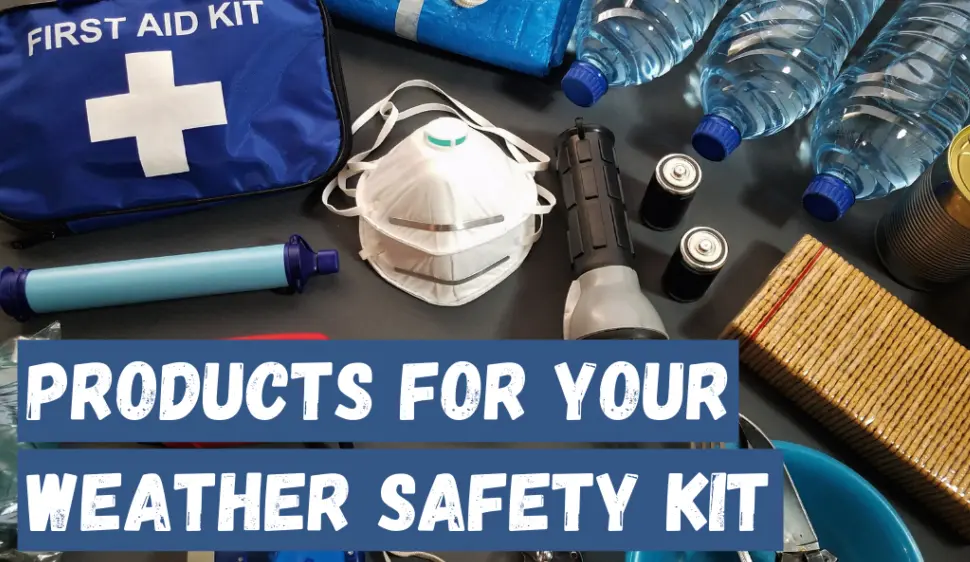
– Prepare an Emergency Kit: Include water, non-perishable food, medications, a flashlight, batteries, and a first-aid kit.
– Evacuate When Necessary: Follow official evacuation orders promptly, especially in flood or storm-prone areas.
– Protect Your Home: Secure outdoor items, trim trees, and ensure your roof is in good condition to withstand high winds.
– Personal Protection: Wear appropriate clothing—light, loose fits for heat; layered, insulated gear for cold. Use sunscreen and stay hydrated.
– For Children and Pets: Keep them indoors during severe weather and never leave them in parked vehicles.
– Power Outages: Have backup power sources like generators, and avoid downed power lines.
– Travel Safely: Check road conditions, avoid driving through flooded areas, and carry emergency supplies in your vehicle.
Key Preparedness Steps
– Create a Family Plan: Discuss meeting points and communication strategies for emergencies.
– Know Your Risks: Assess your area’s common weather threats and tailor your preparations accordingly.
– Community Involvement: Join local disaster response programs and stay connected with neighbors.
– Long-Term Measures: Invest in weather-resistant home improvements, such as reinforced windows or flood barriers.
By following these guidelines, individuals and communities can minimize the impacts of adverse weather and enhance overall resilience. Always prioritize safety and act proactively.
Table of Contents
- Part 1: OnlineExamMaker AI Quiz Generator – The Easiest Way to Make Quizzes Online
- Part 2: 20 Weather Safety Quiz Questions & Answers
- Part 3: Automatically Generate Quiz Questions Using AI Question Generator
Part 1: OnlineExamMaker AI Quiz Generator – The Easiest Way to Make Quizzes Online
When it comes to ease of creating a Weather Safety skills assessment, OnlineExamMaker is one of the best AI-powered quiz making software for your institutions or businesses. With its AI Question Generator, just upload a document or input keywords about your assessment topic, you can generate high-quality quiz questions on any topic, difficulty level, and format.
What you will like:
● AI Question Generator to help you save time in creating quiz questions automatically.
● Share your online exam with audiences on social platforms like Facebook, Twitter, Reddit and more.
● Display the feedback for correct or incorrect answers instantly after a question is answered.
● Create a lead generation form to collect an exam taker’s information, such as email, mobile phone, work title, company profile and so on.
Automatically generate questions using AI
Part 2: 20 Weather Safety Quiz Questions & Answers
or
1. Question: What is the safest place to be during a thunderstorm?
A. Under a tree
B. In a metal-roofed car
C. Near a body of water
D. On an open hilltop
Answer: B
Explanation: A metal-roofed car acts as a Faraday cage, directing lightning around the occupants and protecting them from electrical discharge.
2. Question: If you are outside and hear thunder, what should you do first?
A. Continue your activity
B. Seek shelter immediately
C. Lie down on the ground
D. Touch metal objects
Answer: B
Explanation: The “30-30 rule” advises seeking shelter within 30 seconds of seeing lightning to avoid the risk of being struck.
3. Question: What is the primary risk of driving during a heavy rainstorm?
A. Increased visibility
B. Hydroplaning
C. Faster acceleration
D. Reduced wind resistance
Answer: B
Explanation: Hydroplaning occurs when tires lose contact with the road due to a layer of water, leading to loss of vehicle control.
4. Question: During a heatwave, how often should you drink water to stay hydrated?
A. Only when thirsty
B. Every 2-4 hours, even if not thirsty
C. Once a day
D. Only during exercise
Answer: B
Explanation: Regular hydration prevents dehydration, which can lead to heat exhaustion or heatstroke, especially in high temperatures.
5. Question: What should you include in an emergency kit for severe weather?
A. Perishable food only
B. Non-perishable food, water, and a first-aid kit
C. Heavy clothing only
D. Electronics without batteries
Answer: B
Explanation: Non-perishable items ensure you have essentials like food and medical supplies for at least 72 hours during a weather emergency.
6. Question: If a tornado warning is issued, where is the safest place in your home?
A. A large window
B. A basement or interior room on the lowest floor
C. The attic
D. Outside in an open area
Answer: B
Explanation: Basements or interior rooms provide protection from high winds and flying debris, which are major hazards in a tornado.
7. Question: What is the best way to protect yourself from frostbite in cold weather?
A. Wear tight clothing
B. Layer clothing and cover exposed skin
C. Stay still to conserve heat
D. Drink alcohol to warm up
Answer: B
Explanation: Layering traps body heat and covering skin prevents heat loss, reducing the risk of frostbite in freezing conditions.
8. Question: During a flood, why should you avoid walking through moving water?
A. It might be cold
B. It can sweep you off your feet even if it’s shallow
C. It could be dirty
D. It might contain fish
Answer: B
Explanation: As little as 6 inches of fast-moving water can knock a person down, leading to drowning or injury.
9. Question: What does the UV Index measure, and why is it important?
A. Temperature levels
B. Risk of sunburn from UV radiation
C. Wind speed
D. Humidity
Answer: B
Explanation: The UV Index indicates the strength of UV rays, helping people take precautions like wearing sunscreen to prevent skin damage and cancer.
10. Question: If you are caught in a rip current at the beach, what should you do?
A. Swim directly towards the shore
B. Swim parallel to the shore to escape
C. Panic and call for help immediately
D. Float on your back
Answer: B
Explanation: Swimming parallel to the shore helps you exit the rip current’s pull, conserving energy and avoiding exhaustion.
11. Question: What is a key sign of heat exhaustion?
A. Shivering
B. Heavy sweating and dizziness
C. Blue lips
D. Rapid breathing
Answer: B
Explanation: Heavy sweating, dizziness, and weakness indicate heat exhaustion, which can progress to heatstroke if not addressed by cooling down and hydrating.
12. Question: Why should you never use a generator indoors during a storm?
A. It makes too much noise
B. It can produce carbon monoxide, a deadly gas
C. It wastes fuel
D. It attracts lightning
Answer: B
Explanation: Generators emit carbon monoxide, an odorless gas that can cause poisoning and death if used in enclosed spaces.
13. Question: In a blizzard, how should you dress to prevent hypothermia?
A. Wear light, breathable clothes
B. Layer with waterproof and insulated clothing
C. Use only one layer of clothing
D. Wear shorts for mobility
Answer: B
Explanation: Layering with waterproof and insulated materials traps heat and keeps you dry, reducing the risk of hypothermia in extreme cold.
14. Question: What should you do if you see a wall of water approaching during a flood?
A. Try to outrun it
B. Climb to higher ground immediately
C. Wade through it
D. Stay put and wait
Answer: B
Explanation: Flash floods can occur suddenly, and moving to higher ground is the fastest way to avoid being swept away by the water.
15. Question: During a hurricane, when is it safest to evacuate?
A. After the storm has started
B. When authorities issue an evacuation order
C. Only if you live near the coast
D. Never, as it’s too risky
Answer: B
Explanation: Evacuation orders are based on predicted storm paths and provide the best window to leave safely before conditions worsen.
16. Question: What is the recommended way to check for weather updates?
A. Rely on social media only
B. Use reliable apps, websites, or weather radios
C. Wait for TV news
D. Ask neighbors
Answer: B
Explanation: Official sources like weather apps and radios provide accurate, real-time alerts, helping you prepare for potential dangers.
17. Question: If you’re hiking and a sudden storm approaches, what should you avoid?
A. Seeking shelter under rocks
B. Tall trees or open ridges
C. Low-lying areas
D. Group huddling
Answer: B
Explanation: Tall trees and open ridges are lightning magnets, increasing the risk of strikes, so it’s better to find a low, enclosed area.
18. Question: Why is it dangerous to use electrical devices during a flood?
A. They might short circuit
B. Electrocution from water and electricity
C. They could cause fires
D. They drain batteries quickly
Answer: B
Explanation: Water conducts electricity, so using devices in flooded areas can lead to electrocution, even from submerged outlets.
19. Question: In extreme cold, what should you do to warm up safely?
A. Use a heating pad directly on skin
B. Warm up gradually with blankets and warm drinks
C. Take a hot bath immediately
D. Exercise vigorously
Answer: B
Explanation: Gradual warming prevents shock to the body, which can worsen conditions like frostbite or hypothermia.
20. Question: What is the main purpose of a weather alert system?
A. To predict daily forecasts
B. To warn of imminent dangers like storms
C. To provide temperature updates
D. To share fun weather facts
Answer: B
Explanation: Weather alert systems notify people of severe conditions, allowing time for safety measures and potentially saving lives.
or
Part 3: Automatically generate quiz questions using OnlineExamMaker AI Question Generator
Automatically generate questions using AI