Water Resources Engineering is a specialized branch of civil engineering focused on the sustainable management, development, and protection of water resources. It encompasses the planning, design, construction, and operation of systems that address water-related challenges, including supply, quality, and distribution.
Key Components:
– Hydrology: The study of water movement, distribution, and quality in the environment, including rainfall, runoff, evaporation, and groundwater flow.
– Hydraulics: Analysis of fluid dynamics in water systems, such as pipes, channels, and dams, to ensure efficient flow and pressure management.
– Water Supply and Treatment: Designing infrastructure for sourcing, treating, and distributing potable water, including reservoirs, filtration plants, and distribution networks.
– Flood Control and Management: Developing strategies to mitigate flooding through levees, dams, floodplains, and early warning systems.
– Irrigation and Drainage: Engineering solutions for agricultural water use, including canal systems, sprinklers, and drainage to prevent soil salinization.
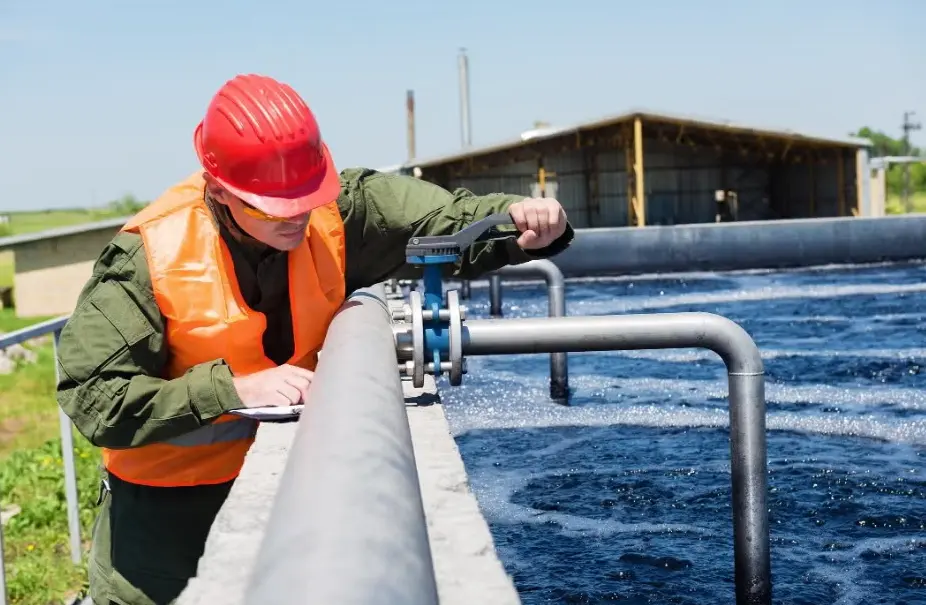
– Wastewater Management: Handling sewage and industrial effluents through treatment plants, recycling processes, and safe disposal to protect ecosystems.
– Environmental Protection: Assessing and minimizing the impact of water projects on rivers, wetlands, and aquatic life, often involving ecological restoration.
Importance:
Water Resources Engineering plays a critical role in addressing global issues like water scarcity, climate change, and population growth. It ensures reliable water access for drinking, agriculture, industry, and energy production while promoting sustainability and resilience against natural disasters.
Applications:
– Urban water systems in cities for reliable supply and flood prevention.
– Large-scale irrigation projects in arid regions to boost food security.
– River basin management for hydroelectric power and navigation.
– Coastal engineering to combat erosion and sea-level rise.
Challenges and Future Trends:
Engineers in this field face issues such as aging infrastructure, pollution, and uneven water distribution. Emerging trends include the integration of smart technologies (e.g., IoT sensors for real-time monitoring), climate-resilient designs, and interdisciplinary approaches combining engineering with environmental science and policy to achieve sustainable water management.
Table of Contents
- Part 1: Best AI Quiz Making Software for Creating A Water Resources Engineering Quiz
- Part 2: 20 Water Resources Engineering Quiz Questions & Answers
- Part 3: AI Question Generator – Automatically Create Questions for Your Next Assessment
Part 1: Best AI Quiz Making Software for Creating A Water Resources Engineering Quiz
Nowadays more and more people create Water Resources Engineering quizzes using AI technologies, OnlineExamMaker a powerful AI-based quiz making tool that can save you time and efforts. The software makes it simple to design and launch interactive quizzes, assessments, and surveys. With the Question Editor, you can create multiple-choice, open-ended, matching, sequencing and many other types of questions for your tests, exams and inventories. You are allowed to enhance quizzes with multimedia elements like images, audio, and video to make them more interactive and visually appealing.
Take a product tour of OnlineExamMaker:
● Create a question pool through the question bank and specify how many questions you want to be randomly selected among these questions.
● Build and store questions in a centralized portal, tagged by categories and keywords for easy reuse and organization.
● Simply copy a few lines of codes, and add them to a web page, you can present your online quiz in your website, blog, or landing page.
● Randomize questions or change the order of questions to ensure exam takers don’t get the same set of questions each time.
Automatically generate questions using AI
Part 2: 20 Water Resources Engineering Quiz Questions & Answers
or
1. What is the primary function of a weir in water resources engineering?
A. To store water for irrigation
B. To measure or control the flow of water
C. To treat wastewater
D. To generate hydroelectric power
Answer: B
Explanation: A weir is a barrier across a river designed to alter its flow characteristics, primarily for measuring discharge or controlling water levels.
2. Which equation is commonly used to calculate the velocity of flow in an open channel?
A. Bernoulli’s equation
B. Manning’s equation
C. Darcy’s law
D. Hazen-Williams formula
Answer: B
Explanation: Manning’s equation relates the flow velocity in an open channel to the channel’s hydraulic radius, slope, and roughness coefficient.
3. What does the term “hydrologic cycle” refer to?
A. The process of water treatment in plants
B. The continuous movement of water on, above, and below the Earth’s surface
C. The storage of water in reservoirs
D. The evaporation of water from oceans
Answer: B
Explanation: The hydrologic cycle describes the circulation of water through evaporation, condensation, precipitation, infiltration, and runoff.
4. In groundwater hydrology, what is the aquifer’s transmissivity?
A. The volume of water an aquifer can store
B. The rate at which water flows through a unit width of the aquifer
C. The depth of the water table
D. The porosity of the soil
Answer: B
Explanation: Transmissivity is the product of hydraulic conductivity and aquifer thickness, indicating the aquifer’s ability to transmit water horizontally.
5. Which factor primarily influences the design of a dam?
A. Aesthetic appeal of the structure
B. The height and volume of water it must hold
C. The color of the surrounding landscape
D. The type of fish in the reservoir
Answer: B
Explanation: Dam design is based on factors like water storage needs, structural stability, and potential flood risks to ensure safety and functionality.
6. What is the purpose of a spillway in a reservoir?
A. To divert water for irrigation
B. To release excess water and prevent overflow
C. To filter water before treatment
D. To generate electricity
Answer: B
Explanation: A spillway allows controlled release of surplus water from a reservoir to maintain structural integrity and manage water levels.
7. Which method is used to estimate peak flood discharge?
A. Rational method
B. Penman-Monteith equation
C. Bernoulli’s theorem
D. Darcy’s law
Answer: A
Explanation: The Rational method calculates peak runoff from rainfall intensity, catchment area, and runoff coefficient for flood design.
8. What is evapotranspiration in the context of water resources?
A. The process of water evaporation from soil
B. The combined loss of water through evaporation and plant transpiration
C. The infiltration of water into the ground
D. The storage of water in lakes
Answer: B
Explanation: Evapotranspiration represents the total water loss to the atmosphere from both soil surfaces and vegetation, affecting water balance.
9. How does a detention basin function in urban water management?
A. It treats drinking water
B. It temporarily stores stormwater to reduce peak flows
C. It generates hydropower
D. It irrigates crops
Answer: B
Explanation: Detention basins capture and hold runoff during storms, releasing it slowly to prevent flooding and erosion in urban areas.
10. What is the role of a flocculant in water treatment?
A. To kill bacteria in water
B. To cause particles to clump together for easier removal
C. To increase water pressure
D. To measure water flow
Answer: B
Explanation: Flocculants promote the aggregation of suspended particles, forming flocs that can be settled or filtered out during treatment.
11. Which parameter is used to assess water quality in rivers?
A. Biochemical Oxygen Demand (BOD)
B. Soil pH
C. Air temperature
D. Wind speed
Answer: A
Explanation: BOD measures the amount of oxygen required by microorganisms to decompose organic matter, indicating pollution levels.
12. What does the term “safe yield” mean in groundwater extraction?
A. The maximum amount of water that can be withdrawn without depleting the aquifer
B. The total volume of water in a reservoir
C. The speed of water flow in pipes
D. The evaporation rate from a lake
Answer: A
Explanation: Safe yield is the sustainable rate of groundwater pumping that maintains long-term aquifer levels and quality.
13. In irrigation engineering, what is the duty of water?
A. The area of land that can be irrigated by a unit volume of water
B. The cost of water per cubic meter
C. The depth of water applied to crops
D. The type of soil in the field
Answer: A
Explanation: Duty of water refers to the relationship between the volume of irrigation water supplied and the area of land it effectively irrigates.
14. Which type of canal is typically unlined and used for gravity flow?
A. Pressure canal
B. Lined canal
C. Contour canal
D. Feeder canal
Answer: C
Explanation: Contour canals follow the natural terrain contours to maintain a consistent slope, allowing gravity-fed water distribution without lining.
15. What is the main cause of saltwater intrusion in coastal aquifers?
A. Over-pumping of groundwater
B. High rainfall
C. River flooding
D. Mountain runoff
Answer: A
Explanation: Excessive withdrawal of freshwater lowers the water table, allowing seawater to intrude into the aquifer due to density differences.
16. How is the infiltration rate determined in soil?
A. Using the Horton equation
B. Measuring river discharge
C. Calculating evaporation rates
D. Assessing wind patterns
Answer: A
Explanation: The Horton equation models the decrease in infiltration rate over time as soil becomes saturated, based on initial and final rates.
17. What is the primary objective of flood frequency analysis?
A. To predict the return period of floods
B. To design bridges
C. To measure rainfall
D. To treat wastewater
Answer: A
Explanation: Flood frequency analysis uses historical data to estimate the probability of floods of various magnitudes, aiding in infrastructure design.
18. In water resources planning, what is a watershed?
A. A region draining to a common outlet
B. A type of dam
C. A water treatment facility
D. An irrigation ditch
Answer: A
Explanation: A watershed is the land area that contributes runoff to a specific point, such as a river or lake, essential for resource management.
19. Which formula is used for calculating head loss in pipes?
A. Darcy-Weisbach equation
B. Pythagoras theorem
C. Ideal gas law
D. Ohm’s law
Answer: A
Explanation: The Darcy-Weisbach equation relates head loss to pipe length, diameter, velocity, and friction factor in fluid flow systems.
20. What is the significance of the recurrence interval in hydrology?
A. The average time between events of a given magnitude
B. The total rainfall in a year
C. The depth of a reservoir
D. The speed of a river
Answer: A
Explanation: The recurrence interval helps in understanding the likelihood of extreme events like floods, guiding engineering designs and risk assessments.
or
Part 3: AI Question Generator – Automatically Create Questions for Your Next Assessment
Automatically generate questions using AI