Vaccines are biological preparations that provide active acquired immunity to a particular infectious disease. They work by stimulating the body’s immune system to recognize and fight pathogens, such as viruses or bacteria, without causing the actual disease.
History of Vaccines
The concept of vaccination dates back to the 18th century when Edward Jenner developed the first vaccine for smallpox in 1796, using material from cowpox lesions. This breakthrough led to the eradication of smallpox in 1980. In the 20th century, vaccines for diseases like polio, measles, and tetanus were developed, significantly reducing global mortality rates.
How Vaccines Work
Vaccines typically contain weakened or inactivated forms of the pathogen, or parts of it, such as proteins or genetic material. When administered, they trigger an immune response, producing antibodies and memory cells. This prepares the body to respond quickly and effectively if exposed to the real pathogen later.
Types of Vaccines
– Live-attenuated vaccines: Use a weakened version of the live virus or bacteria (e.g., measles, mumps, rubella vaccine).
– Inactivated vaccines: Contain killed pathogens (e.g., polio vaccine).
– Subunit, recombinant, polysaccharide, and conjugate vaccines: Use specific pieces of the pathogen (e.g., hepatitis B vaccine).
– Toxoid vaccines: Use a toxin made harmless (e.g., tetanus vaccine).
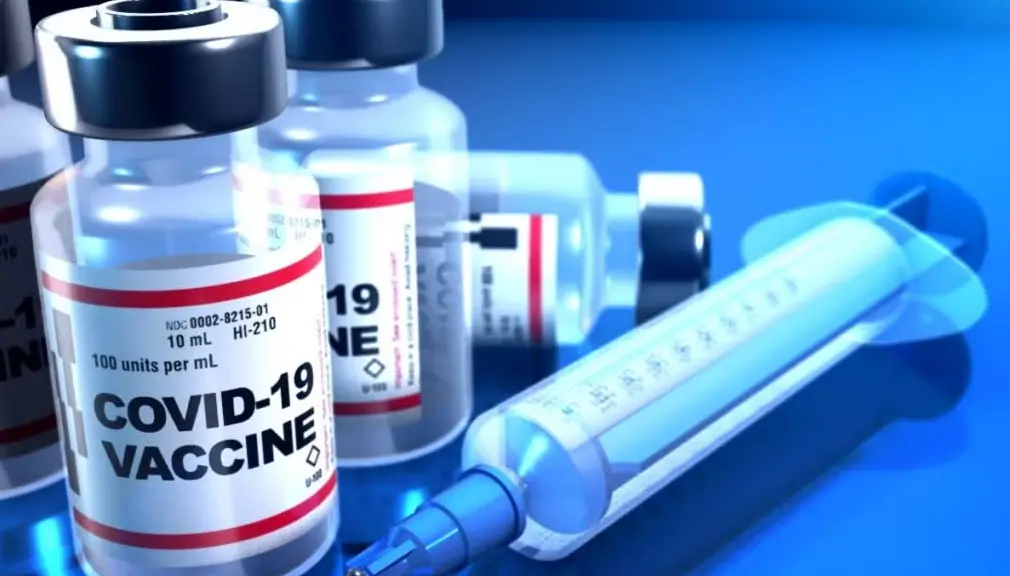
– mRNA and viral vector vaccines: Introduce genetic instructions for the body to produce a harmless piece of the pathogen (e.g., COVID-19 vaccines).
Benefits of Vaccines
Vaccines have prevented millions of deaths and disabilities worldwide by controlling and eradicating diseases. They protect individuals and communities through herd immunity, reducing the spread of infectious diseases. Key benefits include:
– Prevention of outbreaks.
– Long-term protection against serious illnesses.
– Cost savings in healthcare by avoiding treatment expenses.
Risks and Considerations
While generally safe, vaccines can cause mild side effects like soreness at the injection site or fever. Rare serious reactions occur, but extensive testing and monitoring ensure safety. Contraindications exist for individuals with certain allergies or immune conditions, and vaccines are continually evaluated by health organizations like the WHO and CDC.
Importance in Public Health
Vaccines are a cornerstone of modern medicine, contributing to increased life expectancy and healthier populations. Global vaccination programs, such as those by UNICEF and Gavi, aim to ensure equitable access, especially in low-income regions. Ongoing research focuses on new vaccines for emerging threats like HIV, malaria, and COVID-19 variants.
Table of Contents
- Part 1: OnlineExamMaker – Generate and Share Vaccines Quiz with AI Automatically
- Part 2: 20 Vaccines Quiz Questions & Answers
- Part 3: OnlineExamMaker AI Question Generator: Generate Questions for Any Topic
Part 1: OnlineExamMaker – Generate and Share Vaccines Quiz with AI Automatically
OnlineExamMaker is a powerful AI-powered assessment platform to create auto-grading Vaccines skills assessments. It’s designed for educators, trainers, businesses, and anyone looking to generate engaging quizzes without spending hours crafting questions manually. The AI Question Generator feature allows you to input a topic or specific details, and it generates a variety of question types automatically.
Top features for assessment organizers:
● Prevent cheating by randomizing questions or changing the order of questions, so learners don’t get the same set of questions each time.
● AI Exam Grader for efficiently grading quizzes and assignments, offering inline comments, automatic scoring, and “fudge points” for manual adjustments.
● Embed quizzes on websites, blogs, or share via email, social media (Facebook, Twitter), or direct links.
● Handles large-scale testing (thousands of exams/semester) without internet dependency, backed by cloud infrastructure.
Automatically generate questions using AI
Part 2: 20 Vaccines Quiz Questions & Answers
or
1. Question: What is the primary purpose of vaccines?
Options:
A. To treat existing infections
B. To prevent diseases by building immunity
C. To diagnose illnesses
D. To reduce symptoms of chronic conditions
Answer: B
Explanation: Vaccines stimulate the immune system to recognize and fight specific pathogens before an infection occurs, thereby preventing the disease.
2. Question: Who is credited with developing the first vaccine?
Options:
A. Louis Pasteur
B. Edward Jenner
C. Jonas Salk
D. Alexander Fleming
Answer: B
Explanation: Edward Jenner developed the first vaccine in 1796 for smallpox by using material from cowpox lesions, leading to the concept of vaccination.
3. Question: How do vaccines primarily work in the body?
Options:
A. By killing viruses directly
B. By introducing a weakened or inactive form of the pathogen to trigger an immune response
C. By providing antibiotics to fight bacteria
D. By replacing damaged cells
Answer: B
Explanation: Vaccines introduce antigens that mimic the pathogen, prompting the immune system to produce antibodies and memory cells for future protection.
4. Question: What type of vaccine uses a weakened version of the live virus?
Options:
A. Inactivated vaccine
B. Subunit vaccine
C. Live attenuated vaccine
D. Toxoid vaccine
Answer: C
Explanation: Live attenuated vaccines, like the MMR vaccine, use a weakened form of the virus to provide long-lasting immunity by closely mimicking a natural infection.
5. Question: Which vaccine is commonly given to prevent measles, mumps, and rubella?
Options:
A. Polio vaccine
B. DPT vaccine
C. MMR vaccine
D. Hepatitis B vaccine
Answer: C
Explanation: The MMR vaccine protects against three highly contagious diseases by stimulating immunity to measles, mumps, and rubella viruses.
6. Question: What is herd immunity?
Options:
A. When an individual builds immunity after infection
B. When a large portion of a community is immune, protecting those who are not
C. When vaccines are stored at the correct temperature
D. When multiple vaccines are given at once
Answer: B
Explanation: Herd immunity occurs when a high percentage of the population is vaccinated, reducing the spread of disease and protecting vulnerable groups.
7. Question: Why are booster shots sometimes needed for certain vaccines?
Options:
A. To introduce a new strain of the virus
B. To maintain immunity levels that may wane over time
C. To treat side effects from the initial vaccine
D. To replace expired vaccines
Answer: B
Explanation: Booster shots reinforce the immune response for vaccines like tetanus, as antibody levels can decrease, requiring periodic updates for ongoing protection.
8. Question: What is a common side effect of vaccines?
Options:
A. Severe allergic reactions in most people
B. Mild symptoms like fever or soreness at the injection site
C. Permanent disability
D. Immediate immunity to all diseases
Answer: B
Explanation: Most vaccines cause minor side effects, such as fever or redness, as the body builds an immune response, and these are generally harmless.
9. Question: Which organization is responsible for coordinating global vaccination efforts?
Options:
A. World Health Organization (WHO)
B. Centers for Disease Control and Prevention (CDC)
C. Food and Drug Administration (FDA)
D. World Bank
Answer: A
Explanation: The WHO leads international vaccination programs, such as the Expanded Program on Immunization, to combat diseases worldwide.
10. Question: What disease was eradicated globally through vaccination?
Options:
A. Polio
B. Smallpox
C. Measles
D. Influenza
Answer: B
Explanation: The smallpox vaccine led to the disease’s eradication in 1980, as widespread vaccination campaigns eliminated all natural cases.
11. Question: How are vaccines typically tested before approval?
Options:
A. Only on animals
B. Through clinical trials in phases involving humans
C. By observing natural outbreaks
D. Through computer simulations alone
Answer: B
Explanation: Vaccines undergo rigorous clinical trials in phases to assess safety, efficacy, and side effects in human volunteers before approval.
12. Question: What is the difference between a vaccine and an antibiotic?
Options:
A. Vaccines treat bacterial infections, while antibiotics prevent viral ones
B. Vaccines prevent diseases by building immunity, while antibiotics treat existing bacterial infections
C. They are the same thing
D. Antibiotics are only for children
Answer: B
Explanation: Vaccines provide proactive immunity against pathogens, whereas antibiotics are used reactively to fight bacterial infections after they occur.
13. Question: Which vaccine is recommended for infants to prevent diphtheria, pertussis, and tetanus?
Options:
A. Hib vaccine
B. DTaP vaccine
C. Rotavirus vaccine
D. Pneumococcal vaccine
Answer: B
Explanation: The DTaP vaccine protects against diphtheria, tetanus, and pertussis (whooping cough) and is part of routine childhood immunization schedules.
14. Question: What role do adjuvants play in vaccines?
Options:
A. They provide the active ingredient
B. They enhance the immune response to the vaccine
C. They store the vaccine
D. They diagnose immune deficiencies
Answer: B
Explanation: Adjuvants are added to vaccines to boost the body’s immune reaction, making the vaccine more effective with a lower dose.
15. Question: Why is the flu vaccine updated annually?
Options:
A. To include new diseases
B. Because the influenza virus mutates and new strains emerge
C. To reduce costs
D. Because previous versions expire quickly
Answer: B
Explanation: The flu virus changes yearly, so the vaccine is reformulated to target the most prevalent strains for optimal protection.
16. Question: What is a contraindication for receiving a vaccine?
Options:
A. Having a healthy immune system
B. A severe allergy to a vaccine component
C. Being over 18 years old
D. Eating before vaccination
Answer: B
Explanation: Contraindications, like severe allergies, mean a vaccine should not be given to avoid potential harm, ensuring safety for the individual.
17. Question: How do mRNA vaccines, like those for COVID-19, work?
Options:
A. By injecting a live virus
B. By instructing cells to produce a viral protein that triggers immunity
C. By killing the virus in the body
D. By providing lifelong immunity immediately
Answer: B
Explanation: mRNA vaccines deliver genetic instructions for cells to make a harmless piece of the virus, prompting an immune response without using the actual pathogen.
18. Question: What is the importance of cold chain in vaccine storage?
Options:
A. It prevents theft
B. It maintains the vaccine’s potency by keeping it at required temperatures
C. It speeds up delivery
D. It reduces the need for multiple doses
Answer: B
Explanation: The cold chain ensures vaccines remain effective by preventing degradation from heat or freezing, which is crucial for their success.
19. Question: Which group is at higher risk if not vaccinated?
Options:
A. Healthy adults
B. Infants, elderly, and immunocompromised individuals
C. Athletes
D. School teachers
Answer: B
Explanation: Vulnerable populations like infants and the elderly are more susceptible to severe disease outcomes, making vaccination essential for their protection.
20. Question: What is the main goal of vaccine equity initiatives?
Options:
A. To make vaccines available only to wealthy countries
B. To ensure fair access to vaccines globally, especially in low-income areas
C. To limit vaccine production
D. To focus on animal vaccines
Answer: B
Explanation: Vaccine equity aims to distribute vaccines worldwide to prevent disparities, ensuring that all populations can benefit from immunization programs.
or
Part 3: OnlineExamMaker AI Question Generator: Generate Questions for Any Topic
Automatically generate questions using AI