The tobacco industry encompasses the cultivation, manufacturing, distribution, and marketing of tobacco products, including cigarettes, cigars, pipe tobacco, and smokeless alternatives like chewing tobacco and e-cigarettes. Originating from indigenous practices in the Americas centuries ago, it has evolved into a global sector dominated by multinational corporations such as Philip Morris International, British American Tobacco, and Imperial Brands.
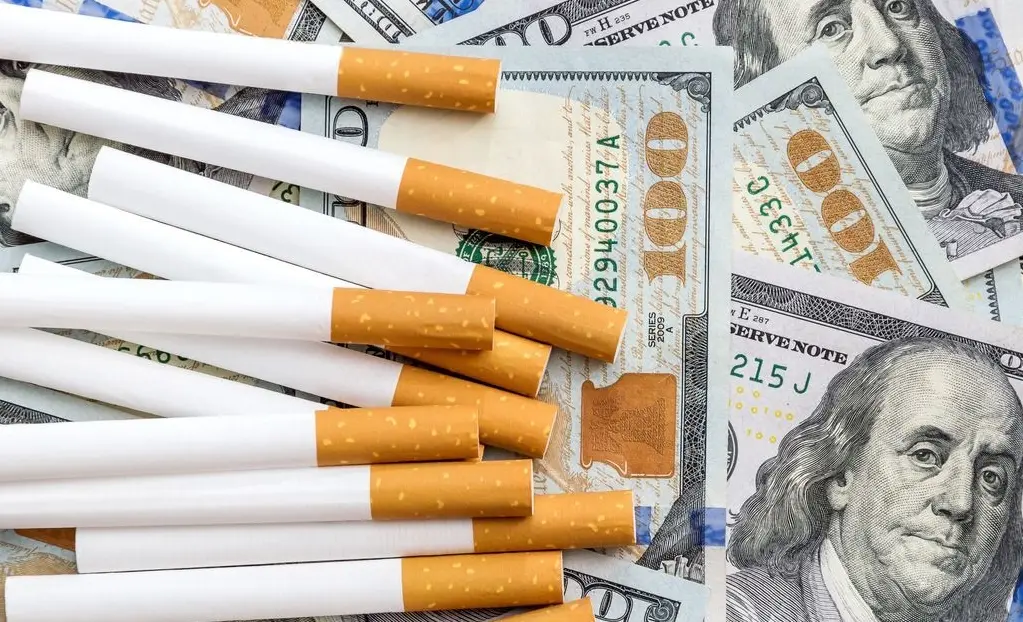
This industry plays a significant role in economies, generating billions in revenue through sales and exports, while employing millions in agriculture, production, and retail. Tobacco farming primarily occurs in regions like China, India, Brazil, and the United States, where the plant is grown under varying climatic conditions before being processed into consumer goods.
Marketing strategies often emphasize branding, sponsorships, and digital campaigns, though they face increasing restrictions due to health concerns. Regulatory frameworks worldwide, including taxes, advertising bans, and smoking prohibitions, aim to curb usage and promote public health, reflecting ongoing debates about the industry’s social and environmental impacts. Despite these challenges, innovation in reduced-risk products continues to shape its future.
Table of Contents
- Part 1: OnlineExamMaker AI Quiz Generator – The Easiest Way to Make Quizzes Online
- Part 2: 20 Tobacco Industry Quiz Questions & Answers
- Part 3: Try OnlineExamMaker AI Question Generator to Create Quiz Questions
Part 1: OnlineExamMaker AI Quiz Generator – The Easiest Way to Make Quizzes Online
When it comes to ease of creating a Tobacco Industry skills assessment, OnlineExamMaker is one of the best AI-powered quiz making software for your institutions or businesses. With its AI Question Generator, just upload a document or input keywords about your assessment topic, you can generate high-quality quiz questions on any topic, difficulty level, and format.
What you will like:
● AI Question Generator to help you save time in creating quiz questions automatically.
● Share your online exam with audiences on social platforms like Facebook, Twitter, Reddit and more.
● Display the feedback for correct or incorrect answers instantly after a question is answered.
● Create a lead generation form to collect an exam taker’s information, such as email, mobile phone, work title, company profile and so on.
Automatically generate questions using AI
Part 2: 20 Tobacco Industry Quiz Questions & Answers
or
1. Question: What is the primary addictive substance found in tobacco products?
A. Tar
B. Nicotine
C. Carbon monoxide
D. Formaldehyde
Answer: B
Explanation: Nicotine is the chemical in tobacco that creates addiction by affecting the brain’s reward system.
2. Question: Which organization is primarily responsible for regulating tobacco products in the United States?
A. FDA
B. EPA
C. WHO
D. CDC
Answer: A
Explanation: The FDA oversees the regulation of tobacco products, including manufacturing, marketing, and sales under the Family Smoking Prevention and Tobacco Control Act.
3. Question: What health condition is most commonly associated with long-term cigarette smoking?
A. Asthma
B. Lung cancer
C. Diabetes
D. Osteoporosis
Answer: B
Explanation: Long-term smoking is a leading cause of lung cancer due to the carcinogens in tobacco smoke that damage lung tissue.
4. Question: Which year was the first major anti-smoking campaign launched by the World Health Organization?
A. 1964
B. 1970
C. 1980
D. 2000
Answer: A
Explanation: The 1964 Surgeon General’s Report marked the beginning of widespread anti-smoking efforts, influencing WHO’s campaigns.
5. Question: What is the main economic impact of the tobacco industry on governments?
A. Job creation in agriculture
B. Revenue from taxes
C. Reduced healthcare costs
D. Increased tourism
Answer: B
Explanation: Governments collect significant revenue from tobacco taxes, though this is often offset by healthcare expenses related to smoking.
6. Question: Which type of tobacco product has seen a rise in popularity due to flavored options?
A. Cigars
B. E-cigarettes
C. Pipe tobacco
D. Chewing tobacco
Answer: B
Explanation: E-cigarettes, often flavored, have gained popularity as an alternative to traditional smoking, though their long-term effects are debated.
7. Question: What is the purpose of the Tobacco Master Settlement Agreement in the U.S.?
A. To promote tobacco farming
B. To settle lawsuits against tobacco companies
C. To increase cigarette production
D. To fund smoking research
Answer: B
Explanation: The agreement resolved state lawsuits against tobacco companies for health costs, requiring payments and marketing restrictions.
8. Question: Which country is the largest producer of tobacco leaves?
A. United States
B. China
C. Brazil
D. India
Answer: B
Explanation: China leads in tobacco production, accounting for a significant portion of the global supply due to its vast agricultural resources.
9. Question: What role do tobacco companies play in advertising restrictions?
A. They fully support global bans
B. They lobby against strict regulations
C. They voluntarily stop all ads
D. They only advertise health benefits
Answer: B
Explanation: Tobacco companies often lobby to influence or weaken advertising restrictions to maintain market access and sales.
10. Question: How does secondhand smoke primarily affect non-smokers?
A. By improving lung function
B. By increasing risk of respiratory diseases
C. By enhancing immune response
D. By reducing allergy symptoms
Answer: B
Explanation: Secondhand smoke exposes non-smokers to harmful chemicals, increasing risks for conditions like heart disease and lung cancer.
11. Question: What is the key ingredient in most nicotine replacement therapies?
A. Tar
B. Nicotine
C. Menthol
D. Caffeine
Answer: B
Explanation: Nicotine replacement therapies, such as patches and gums, use nicotine to help reduce withdrawal symptoms during quitting.
12. Question: Which international treaty aims to reduce tobacco use worldwide?
A. Kyoto Protocol
B. Framework Convention on Tobacco Control
C. Paris Agreement
D. Geneva Convention
Answer: B
Explanation: The WHO Framework Convention on Tobacco Control is a global treaty to curb tobacco consumption through policy measures.
13. Question: What percentage of global deaths is attributed to tobacco use annually?
A. 1%
B. 5%
C. 8%
D. 15%
Answer: C
Explanation: Approximately 8% of global deaths each year are linked to tobacco, according to WHO estimates.
14. Question: How has the tobacco industry historically targeted youth?
A. Through school programs
B. Via flavored products and marketing
C. By banning sales to minors
D. With anti-smoking campaigns
Answer: B
Explanation: The industry has used flavored products and appealing marketing to attract younger users, despite regulations.
15. Question: What is the environmental impact of tobacco production?
A. It reduces deforestation
B. It causes significant deforestation and soil degradation
C. It promotes biodiversity
D. It lowers water usage
Answer: B
Explanation: Tobacco farming contributes to deforestation for curing leaves and degrades soil through intensive chemical use.
16. Question: Which smoking cessation method involves gradual nicotine reduction?
A. Cold turkey
B. Nicotine fading
C. Hypnosis
D. Acupuncture
Answer: B
Explanation: Nicotine fading involves slowly reducing nicotine intake over time to ease withdrawal and improve quit success rates.
17. Question: What is the main reason for warning labels on cigarette packs?
A. To promote the brand
B. To inform about health risks
C. To increase sales
D. To hide ingredients
Answer: B
Explanation: Warning labels are mandated to educate consumers about the health dangers of tobacco use and deter potential smokers.
18. Question: How does the tobacco industry influence global trade?
A. By reducing export tariffs
B. Through international smuggling networks
C. By funding trade agreements
D. By eliminating competition
Answer: B
Explanation: The industry has been linked to smuggling to evade taxes and regulations, affecting global trade dynamics.
19. Question: What is a common side effect of quitting tobacco abruptly?
A. Increased energy
B. Withdrawal symptoms like irritability
C. Weight loss
D. Improved sleep
Answer: B
Explanation: Abrupt quitting often leads to withdrawal symptoms such as irritability, cravings, and anxiety due to nicotine dependence.
20. Question: Which factor has contributed to the decline in smoking rates in developed countries?
A. Increased tobacco production
B. Stricter anti-smoking laws and public awareness
C. Cheaper cigarette prices
D. More advertising by tobacco companies
Answer: B
Explanation: Stricter laws, higher taxes, and public health campaigns have effectively reduced smoking rates in many developed nations.
or
Part 3: Try OnlineExamMaker AI Question Generator to Create Quiz Questions
Automatically generate questions using AI