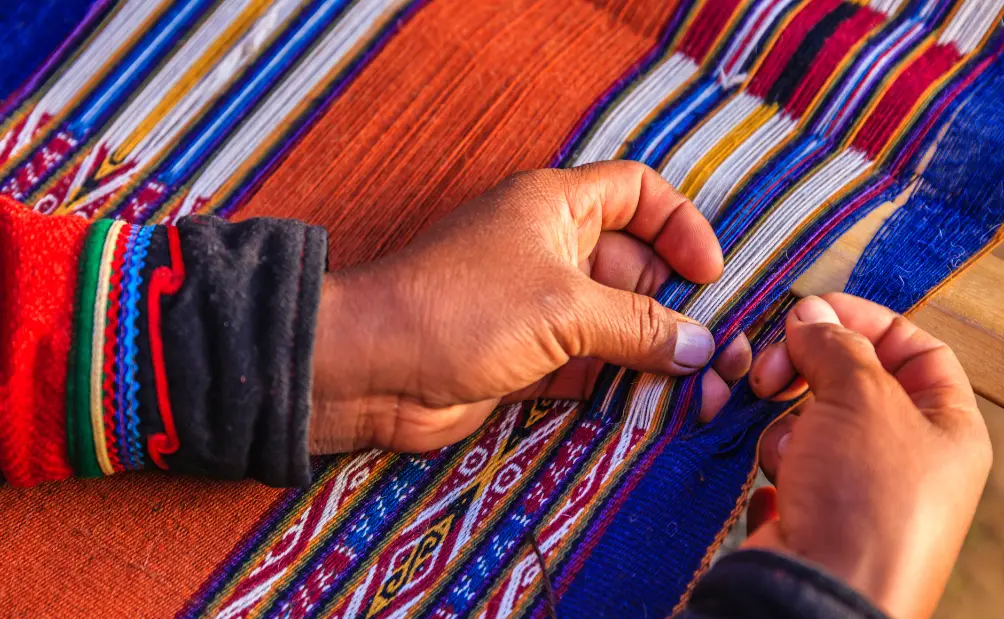
Textile weaving is an ancient and intricate craft that involves interlacing two sets of yarns—the warp and the weft—at right angles to create fabric. The warp yarns are stretched vertically on a loom, while the weft yarns are passed horizontally through the warp using tools like shuttles or needles. This process allows for a wide range of patterns, textures, and densities, from simple plain weaves to elaborate designs like twill or satin. Weaving is fundamental in producing everyday items such as clothing, upholstery, and industrial materials, blending artistry with functionality to transform raw fibers into durable and versatile textiles.
Table of Contents
- Part 1: Create A Textile Weaving Quiz in Minutes Using AI with OnlineExamMaker
- Part 2: 20 Textile Weaving Quiz Questions & Answers
- Part 3: Save Time and Energy: Generate Quiz Questions with AI Technology
Part 1: Create A Textile Weaving Quiz in Minutes Using AI with OnlineExamMaker
When it comes to ease of creating a Textile Weaving skills assessment, OnlineExamMaker is one of the best AI-powered quiz making software for your institutions or businesses. With its AI Question Generator, just upload a document or input keywords about your assessment topic, you can generate high-quality quiz questions on any topic, difficulty level, and format.
Overview of its key assessment-related features:
● AI Question Generator to help you save time in creating quiz questions automatically.
● Share your online exam with audiences on social platforms like Facebook, Twitter, Reddit and more.
● Instantly scores objective questions and subjective answers use rubric-based scoring for consistency.
● Simply copy and insert a few lines of embed codes to display your online exams on your website or WordPress blog.
Automatically generate questions using AI
Part 2: 20 Textile Weaving Quiz Questions & Answers
or
1. Question: What is the primary function of the warp in textile weaving?
Options:
A. To provide the horizontal threads
B. To provide the vertical threads
C. To create the pattern in the fabric
D. To bind the weft threads together
Answer: B
Explanation: The warp consists of vertical threads that are stretched on the loom, forming the foundation for the weft to interlace with, creating the fabric structure.
2. Question: Which type of weave is characterized by a simple over-and-under pattern?
Options:
A. Twill weave
B. Satin weave
C. Plain weave
D. Basket weave
Answer: C
Explanation: Plain weave is the most basic weave where each weft thread passes over one warp thread and under the next, resulting in a balanced and strong fabric.
3. Question: In weaving, what does the term “shed” refer to?
Options:
A. The opening between warp threads for the weft to pass through
B. The finished edge of the fabric
C. The type of yarn used in the warp
D. The machine used to spin yarn
Answer: A
Explanation: The shed is the gap created by raising and lowering warp threads, allowing the weft yarn to be inserted and forming the weave pattern.
4. Question: Which weaving technique produces a diagonal pattern on the fabric?
Options:
A. Plain weave
B. Twill weave
C. Satin weave
D. Pile weave
Answer: B
Explanation: Twill weave is identified by its diagonal lines formed by offsetting the weft threads, which makes the fabric more durable and flexible.
5. Question: What is the role of the reed in a loom?
Options:
A. To hold the warp threads in place
B. To beat the weft into position
C. To create the shed
D. To wind the yarn onto bobbins
Answer: B
Explanation: The reed is a comb-like device that pushes the newly inserted weft yarn against the already woven fabric, ensuring a tight and even weave.
6. Question: Which fiber is most commonly used in handloom weaving for traditional textiles?
Options:
A. Polyester
B. Cotton
C. Nylon
D. Acrylic
Answer: B
Explanation: Cotton is favored in handloom weaving due to its natural properties, such as breathability and ease of dyeing, making it ideal for everyday fabrics.
7. Question: In satin weave, how do the weft threads interact with the warp threads?
Options:
A. They pass over two and under one
B. They float over multiple warp threads
C. They create a basket-like pattern
D. They alternate strictly over and under
Answer: B
Explanation: Satin weave features long floats where weft threads pass over several warp threads, giving the fabric a smooth, lustrous surface.
8. Question: What causes a fabric defect known as “bowing” in weaving?
Options:
A. Uneven tension in warp threads
B. Incorrect weft insertion
C. Over-dyeing of the fabric
D. Machine vibration
Answer: A
Explanation: Bowing occurs when warp threads have inconsistent tension, leading to a curved or warped edge in the fabric during the weaving process.
9. Question: Which loom type is operated manually without electricity?
Options:
A. Power loom
B. Handloom
C. Jacquard loom
D. Shuttle loom
Answer: B
Explanation: A handloom is a simple, manually operated device that allows weavers to create fabrics by hand, often used in traditional and artisanal settings.
10. Question: What is the purpose of the heddle in weaving?
Options:
A. To guide the weft yarn
B. To raise and lower warp threads
C. To hold the reed in place
D. To collect the finished fabric
Answer: B
Explanation: Heddles are frames with eyelets that lift specific warp threads to form the shed, enabling the weft to pass through and create patterns.
11. Question: In basket weave, how are the threads arranged compared to plain weave?
Options:
A. Two or more threads are grouped together
B. Threads are woven in a diagonal pattern
C. Only one thread is used per pass
D. Threads are floated over the surface
Answer: A
Explanation: Basket weave modifies plain weave by using pairs or groups of threads, creating a more textured and flexible fabric resembling a basket.
12. Question: Which factor primarily affects the density of a woven fabric?
Options:
A. Type of dye used
B. Number of threads per inch
C. Color of the yarn
D. Speed of the loom
Answer: B
Explanation: Fabric density is determined by the thread count, such as ends per inch (warp) and picks per inch (weft), which influences the fabric’s weight and durability.
13. Question: What is a selvedge in woven textiles?
Options:
A. The central pattern of the fabric
B. The finished edges that prevent fraying
C. The loose ends of yarn
D. The middle section of the weave
Answer: B
Explanation: Selvedge refers to the tightly woven edges of the fabric that are reinforced to avoid unraveling, ensuring the fabric’s integrity.
14. Question: Which weaving method is used for creating velvet fabrics?
Options:
A. Plain weave
B. Pile weave
C. Twill weave
D. Satin weave
Answer: B
Explanation: Pile weave involves extra yarn loops or tufts that are cut to form a raised surface, as seen in velvet, providing a soft and plush texture.
15. Question: How does a Jacquard loom differ from a standard loom?
Options:
A. It uses electronic controls
B. It can create complex patterns automatically
C. It is smaller and portable
D. It only weaves plain fabrics
Answer: B
Explanation: A Jacquard loom uses punched cards to control individual warp threads, allowing for intricate designs and patterns that are not possible on basic looms.
16. Question: What is the weft in textile weaving?
Options:
A. The vertical threads
B. The horizontal threads
C. The binding material
D. The decorative elements
Answer: B
Explanation: The weft is the yarn that is woven horizontally across the warp threads, interlacing to form the fabric’s width.
17. Question: Which weave is most resistant to wrinkling?
Options:
A. Plain weave
B. Twill weave
C. Satin weave
D. Leno weave
Answer: C
Explanation: Satin weave’s long floats make the fabric smoother and less prone to creasing, as the threads slide over each other easily.
18. Question: What does “ends per inch” measure in weaving?
Options:
A. The number of weft threads
B. The number of warp threads
C. The total thread count
D. The fabric’s length
Answer: B
Explanation: Ends per inch refers specifically to the number of warp threads in one inch of fabric width, which helps determine the fabric’s strength and texture.
19. Question: In double cloth weaving, how many sets of warp and weft are used?
Options:
A. One set each
B. Two sets each
C. Three sets each
D. None, it’s a single layer
Answer: B
Explanation: Double cloth involves two separate sets of warp and weft threads woven together, creating a thicker fabric with layers or reversible designs.
20. Question: Which environmental factor can affect the quality of woven textiles during production?
Options:
A. Humidity levels
B. Room temperature
C. Both A and B
D. Neither A nor B
Answer: C
Explanation: Humidity and temperature influence yarn behavior, such as shrinkage or tension, which can lead to defects in the woven fabric if not controlled.
or
Part 3: Save Time and Energy: Generate Quiz Questions with AI Technology
Automatically generate questions using AI