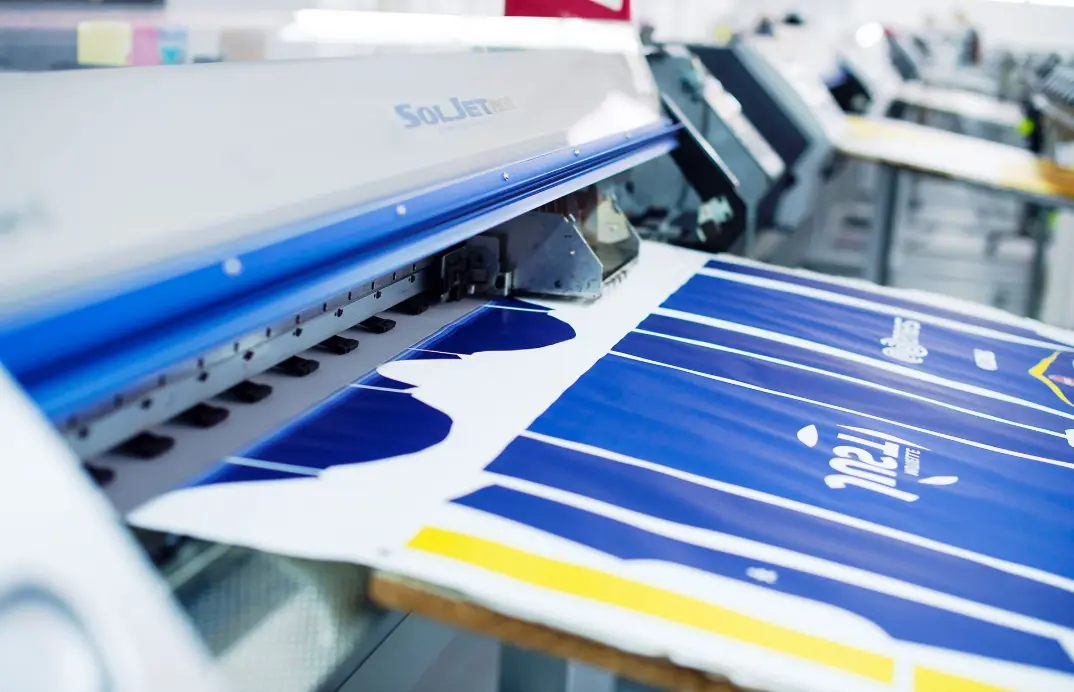
Textile printing is a versatile technique used to apply colors, patterns, and designs onto fabrics, transforming plain textiles into vibrant, decorative materials. This process involves transferring dyes or pigments onto the fabric surface through methods such as screen printing, digital printing, block printing, and rotary printing. Screen printing uses stencils and ink to create detailed designs, while digital printing employs computer-aided technology for precise, customizable patterns. Block printing, a traditional method, involves carving designs into blocks and pressing them onto the fabric. Textile printing enhances the aesthetic appeal of clothing, home textiles, and accessories, allowing for endless creativity in fashion, interior design, and industrial applications. It plays a key role in industries by enabling mass production, customization, and innovation in material design.
Table of Contents
- Part 1: OnlineExamMaker AI Quiz Generator – Save Time and Efforts
- Part 2: 20 Textile Printing Quiz Questions & Answers
- Part 3: Save Time and Energy: Generate Quiz Questions with AI Technology
Part 1: OnlineExamMaker AI Quiz Generator – Save Time and Efforts
What’s the best way to create a Textile Printing quiz online? OnlineExamMaker is the best AI quiz making software for you. No coding, and no design skills required. If you don’t have the time to create your online quiz from scratch, you are able to use OnlineExamMaker AI Question Generator to create question automatically, then add them into your online assessment. What is more, the platform leverages AI proctoring and AI grading features to streamline the process while ensuring exam integrity.
Key features of OnlineExamMaker:
● Combines AI webcam monitoring to capture cheating activities during online exam.
● Allow the quiz taker to answer by uploading video or a Word document, adding an image, and recording an audio file.
● Automatically scores multiple-choice, true/false, and even open-ended/audio responses using AI, reducing manual work.
● OnlineExamMaker API offers private access for developers to extract your exam data back into your system automatically.
Automatically generate questions using AI
Part 2: 20 Textile Printing Quiz Questions & Answers
or
1. What is textile printing?
A. Weaving fabrics
B. Dyeing yarns before weaving
C. Applying colors and designs to fabrics
D. Spinning fibers into yarn
Answer: C
Explanation: Textile printing is a process of applying colors, patterns, or designs directly onto the surface of fabrics using various techniques.
2. Which method uses a carved block to transfer designs onto fabric?
A. Screen printing
B. Digital printing
C. Block printing
D. Roller printing
Answer: C
Explanation: Block printing involves pressing a hand-carved block dipped in dye or ink onto the fabric to create repeated patterns.
3. What is the main advantage of digital textile printing?
A. Lower cost for large-scale production
B. Ability to produce highly detailed and customized designs quickly
C. Requires manual labor for setup
D. Limited to specific fabric types
Answer: B
Explanation: Digital printing uses inkjet technology to print designs directly from a computer, allowing for high precision, speed, and customization without the need for screens or blocks.
4. In screen printing, what role does the mesh screen play?
A. It holds the fabric in place
B. It acts as a stencil to control ink flow
C. It dyes the fabric evenly
D. It heats the ink for fixing
Answer: B
Explanation: The mesh screen in screen printing has areas blocked by a stencil, allowing ink to pass through only in the desired design areas onto the fabric.
5. Which type of dye is commonly used for printing on cotton fabrics?
A. Acid dyes
B. Reactive dyes
C. Disperse dyes
D. Basic dyes
Answer: B
Explanation: Reactive dyes form a covalent bond with cotton fibers during the fixing process, ensuring colorfastness and vibrancy on cellulosic fabrics.
6. What is the purpose of the steaming process in textile printing?
A. To clean the fabric
B. To fix the dyes onto the fibers
C. To weave the fabric
D. To remove excess ink
Answer: B
Explanation: Steaming helps in the fixation of dyes by applying heat and moisture, which allows the dyes to penetrate and bond with the fabric fibers.
7. Which printing technique is best for high-volume production of simple patterns?
A. Hand block printing
B. Roller printing
C. Digital printing
D. Batik printing
Answer: B
Explanation: Roller printing uses engraved rollers to apply designs continuously, making it efficient and cost-effective for large-scale, repetitive patterns.
8. What does “rotary screen printing” involve?
A. Flat screens and manual pressing
B. Cylindrical screens rotating on a machine
C. Digital file uploads only
D. Hand-painted designs
Answer: B
Explanation: Rotary screen printing uses rotating cylindrical screens that apply ink as the fabric passes through, combining speed with the flexibility of screen printing.
9. Which factor is most important for achieving colorfastness in printed textiles?
A. Type of fabric weave
B. Proper dye fixation and washing
C. Ink viscosity
D. Printing speed
Answer: B
Explanation: Colorfastness is ensured by properly fixing the dyes through processes like steaming or curing, followed by thorough washing to remove unfixed dye.
10. What is batik printing?
A. Using heat transfers on synthetic fabrics
B. Applying wax resist before dyeing
C. Digital imaging on silk
D. Screen printing with metallic inks
Answer: B
Explanation: Batik involves applying wax to areas of the fabric to resist dye, creating intricate designs through a layering of colors and wax removal.
11. Why is pigment printing popular for synthetic fabrics?
A. It requires high temperatures for fixation
B. It does not penetrate the fibers deeply
C. It is versatile and does not need fabric-specific dyes
D. It fades quickly in sunlight
Answer: C
Explanation: Pigment printing uses insoluble pigments bound by a binder, making it suitable for a wide range of fabrics, including synthetics, without chemical reactions.
12. In discharge printing, what happens to the fabric?
A. Extra layers are added for texture
B. Original dye is removed to create patterns
C. Fabric is over-dyed multiple times
D. Ink is applied directly without preparation
Answer: B
Explanation: Discharge printing uses chemicals to remove or discharge the original dye from specific areas, allowing new colors to be applied for a unique effect.
13. Which printing method is most environmentally friendly?
A. Traditional block printing with synthetic dyes
B. Digital printing with water-based inks
C. Roller printing with heavy chemicals
D. Batik with wax and hot dyes
Answer: B
Explanation: Digital printing often uses water-based or low-VOC inks, reducing waste and chemical usage compared to traditional methods.
14. What is the key difference between direct and transfer printing?
A. Direct printing uses heat, while transfer does not
B. Direct applies ink straight to fabric, while transfer uses an intermediate paper
C. Transfer is only for natural fabrics
D. Direct printing is slower
Answer: B
Explanation: In direct printing, ink is applied directly to the fabric, whereas transfer printing involves printing onto paper first and then transferring it via heat.
15. Which fabric is least suitable for screen printing?
A. Cotton
B. Silk
C. Very thick, rigid materials like burlap
D. Polyester blends
Answer: C
Explanation: Screen printing works best on smooth, flexible fabrics; very thick or rigid materials like burlap can cause uneven ink application and poor adhesion.
16. How does foil printing enhance textile designs?
A. By adding a metallic sheen to specific areas
B. By creating waterproof layers
C. By blending colors automatically
D. By removing dyes from the fabric
Answer: A
Explanation: Foil printing applies a thin metallic foil to adhesive-printed areas, giving fabrics a shiny, decorative effect for added visual appeal.
17. What is the role of thickeners in textile printing pastes?
A. To thin the ink for even spread
B. To control the viscosity and prevent bleeding of colors
C. To add color to the paste
D. To speed up the drying process
Answer: B
Explanation: Thickeners increase the paste’s viscosity, ensuring that the ink stays in place during application and does not spread or bleed into unwanted areas.
18. Which historical technique originated in India and involves wooden blocks?
A. Screen printing
B. Digital printing
C. Block printing
D. Stencil printing
Answer: C
Explanation: Block printing has ancient roots in India, where artisans used carved wooden blocks to print intricate designs on fabrics like saris.
19. Why is pre-treatment important in digital textile printing?
A. To add designs before printing
B. To prepare the fabric for better ink absorption and adhesion
C. To weave the fabric tighter
D. To remove colors from previous prints
Answer: B
Explanation: Pre-treatment involves applying chemicals to the fabric to enhance ink penetration, color vibrancy, and durability in digital printing.
20. What challenge is associated with heat transfer printing?
A. It works on all fabrics without issues
B. Potential for cracking or peeling on flexible fabrics over time
C. It requires no energy
D. It is the cheapest method
Answer: B
Explanation: Heat transfer printing can lead to designs cracking or peeling, especially on fabrics that stretch or experience wear, due to the adhesive nature of the transfer.
or
Part 3: Save Time and Energy: Generate Quiz Questions with AI Technology
Automatically generate questions using AI