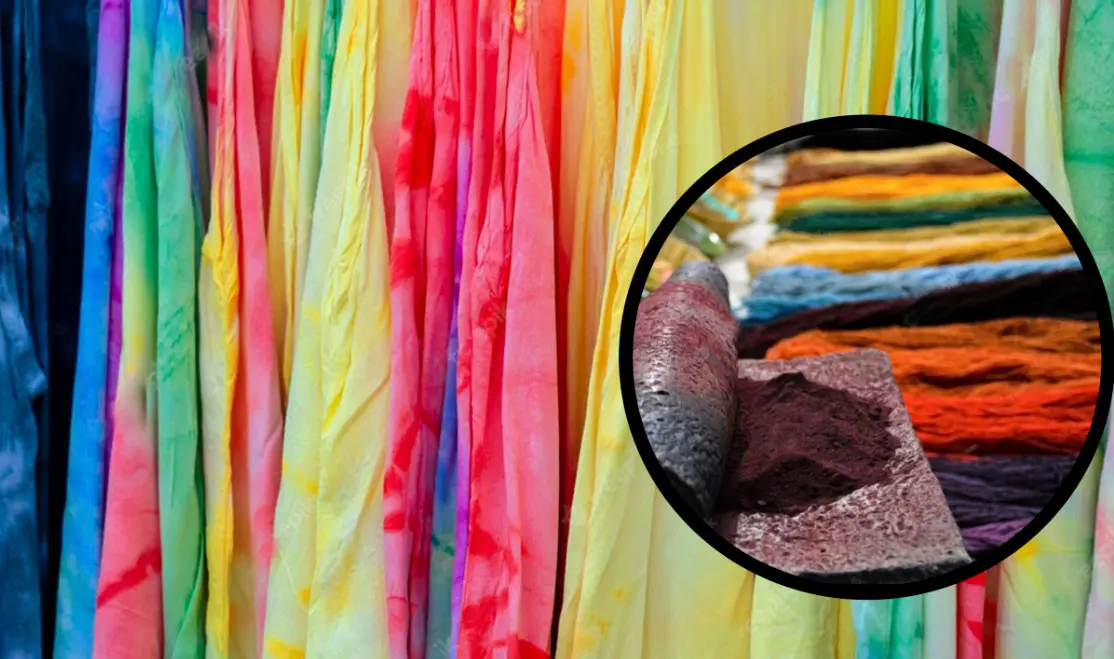
Textile dyeing is the process of imparting color to fibers, yarns, or fabrics to enhance their aesthetic appeal and functionality. This technique involves immersing the material in a dye solution or applying dyes through methods such as immersion, printing, or spraying. Common types include direct dyeing, where dyes are applied directly to the fabric; vat dyeing, which uses insoluble dyes reduced to a soluble form for deep, colorfast results; and reactive dyeing, where dyes form a chemical bond with the fibers for excellent wash resistance. The process typically requires precise control of factors like temperature, pH, and dye concentration to achieve vibrant, even colors. Environmentally, modern dyeing often incorporates eco-friendly practices, such as using natural dyes or low-impact chemicals, to minimize water usage and pollution. Innovations like digital printing and sustainable technologies are transforming the industry, allowing for more efficient and creative designs in fashion and textiles.
Table of Contents
- Part 1: OnlineExamMaker AI Quiz Maker – Make A Free Quiz in Minutes
- Part 2: 20 Textile Dyeing Quiz Questions & Answers
- Part 3: Save Time and Energy: Generate Quiz Questions with AI Technology
Part 1: OnlineExamMaker AI Quiz Maker – Make A Free Quiz in Minutes
What’s the best way to create a Textile Dyeing quiz online? OnlineExamMaker is the best AI quiz making software for you. No coding, and no design skills required. If you don’t have the time to create your online quiz from scratch, you are able to use OnlineExamMaker AI Question Generator to create question automatically, then add them into your online assessment. What is more, the platform leverages AI proctoring and AI grading features to streamline the process while ensuring exam integrity.
Key features of OnlineExamMaker:
● Create up to 10 question types, including multiple-choice, true/false, fill-in-the-blank, matching, short answer, and essay questions.
● Build and store questions in a centralized portal, tagged by categories and keywords for easy reuse and organization.
● Automatically scores multiple-choice, true/false, and even open-ended/audio responses using AI, reducing manual work.
● Create certificates with personalized company logo, certificate title, description, date, candidate’s name, marks and signature.
Automatically generate questions using AI
Part 2: 20 Textile Dyeing Quiz Questions & Answers
or
1. Question: What is the primary purpose of textile dyeing?
Options:
A. To remove impurities from fibers
B. To add color to textiles
C. To strengthen the fabric structure
D. To make fabrics waterproof
Answer: B
Explanation: Textile dyeing is the process of applying color to fibers, yarns, or fabrics to enhance their aesthetic appeal and functionality.
2. Question: Which type of dye is most suitable for cotton fabrics?
Options:
A. Disperse dye
B. Acid dye
C. Reactive dye
D. Basic dye
Answer: C
Explanation: Reactive dyes form covalent bonds with cotton fibers, providing excellent color fastness and vibrancy.
3. Question: What is the main advantage of vat dyeing?
Options:
A. It is quick and inexpensive
B. It produces highly wash-fast colors
C. It works best on synthetic fibers
D. It requires no fixing agents
Answer: B
Explanation: Vat dyeing involves reducing the dye to a soluble form, which allows for deep penetration and excellent resistance to washing and light.
4. Question: In direct dyeing, what role does salt play?
Options:
A. It acts as a mordant
B. It exhausts the dye from the bath
C. It bleaches the fabric
D. It softens the water
Answer: B
Explanation: Salt increases the exhaustion of direct dyes onto the fabric by reducing the dye’s solubility in the dye bath.
5. Question: Which fiber is commonly dyed using disperse dyes?
Options:
A. Wool
B. Cotton
C. Polyester
D. Silk
Answer: C
Explanation: Disperse dyes are designed for hydrophobic synthetic fibers like polyester, as they dissolve in the fiber at high temperatures.
6. Question: What is the key characteristic of acid dyes?
Options:
A. They are used for plant-based fibers
B. They require alkaline conditions
C. They are anionic and work on protein fibers
D. They are insoluble in water
Answer: C
Explanation: Acid dyes are water-soluble anionic dyes that bond with cationic sites on protein fibers like wool and silk under acidic conditions.
7. Question: Which process involves dyeing yarn before weaving?
Options:
A. Piece dyeing
B. Stock dyeing
C. Yarn dyeing
D. Garment dyeing
Answer: C
Explanation: Yarn dyeing colors the yarn prior to weaving, allowing for intricate patterns and better color consistency in the final fabric.
8. Question: What does “fastness” refer to in textile dyeing?
Options:
A. The speed of the dyeing process
B. The resistance of the dye to fading
C. The cost of the dyes used
D. The thickness of the fabric
Answer: B
Explanation: Fastness measures how well a dye resists fading from factors like washing, light exposure, and rubbing, ensuring color longevity.
9. Question: Which dye is known for its use in tie-dye techniques?
Options:
A. Vat dye
B. Reactive dye
C. Disperse dye
D. Azoic dye
Answer: B
Explanation: Reactive dyes are popular for tie-dye because they react chemically with the fabric, creating vibrant, permanent patterns.
10. Question: What environmental issue is associated with azo dyes?
Options:
A. High water consumption
B. Release of carcinogenic compounds
C. Excessive heat generation
D. Rapid biodegradation
Answer: B
Explanation: Azo dyes can break down into aromatic amines, some of which are carcinogenic, posing risks to health and the environment.
11. Question: In padding dyeing, what is the function of the mangle?
Options:
A. To mix the dye solution
B. To squeeze out excess dye
C. To heat the fabric
D. To weave the fabric
Answer: B
Explanation: The mangle in padding dyeing removes excess dye liquor from the fabric, ensuring even dye distribution and reducing waste.
12. Question: Which factor primarily affects dye uptake in fibers?
Options:
A. Fabric weight
B. pH of the dye bath
C. Room temperature
D. Fabric pattern
Answer: B
Explanation: The pH level influences the ionization of dyes and fibers, directly impacting how effectively the dye is absorbed.
13. Question: What is a mordant in natural dyeing?
Options:
A. A type of natural fiber
B. A substance that fixes the dye
C. A bleaching agent
D. A color enhancer
Answer: B
Explanation: A mordant helps bind natural dyes to fibers by forming a bridge between the dye and the fabric, improving color fastness.
14. Question: Which dyeing method is used for large-scale production?
Options:
A. Batch dyeing
B. Continuous dyeing
C. Exhaust dyeing
D. Hand dyeing
Answer: B
Explanation: Continuous dyeing allows for high-speed, automated processing of large fabric rolls, making it efficient for industrial use.
15. Question: What is the role of auxiliaries in dyeing?
Options:
A. To replace dyes entirely
B. To assist in even dye application
C. To remove colors from fabric
D. To weave fibers together
Answer: B
Explanation: Auxiliaries like wetting agents and leveling agents help ensure uniform dye penetration and prevent uneven coloring.
16. Question: Which dye is typically used for nylon?
Options:
A. Reactive dye
B. Acid dye
C. Vat dye
D. Disperse dye
Answer: B
Explanation: Acid dyes are effective on nylon due to its protein-like properties, providing good affinity and color stability.
17. Question: What causes uneven dyeing in fabrics?
Options:
A. Proper dye concentration
B. Inconsistent temperature
C. High pH levels
D. Fresh water supply
Answer: B
Explanation: Variations in temperature can lead to uneven dye absorption, resulting in patches or streaks on the fabric.
18. Question: In solvent dyeing, what is the medium for the dye?
Options:
A. Water
B. Organic solvents
C. Air
D. Steam
Answer: B
Explanation: Solvent dyeing uses organic solvents instead of water, allowing for dyeing at lower temperatures and reducing environmental impact.
19. Question: Which test evaluates color fastness to light?
Options:
A. Rubbing test
B. Washing test
C. Exposure to sunlight test
D. Perspiration test
Answer: C
Explanation: The exposure to sunlight test assesses how well a dye resists fading when subjected to ultraviolet light over time.
20. Question: What is the primary benefit of using eco-friendly dyes?
Options:
A. Lower production costs
B. Reduced environmental pollution
C. Faster dyeing process
D. Brighter colors
Answer: B
Explanation: Eco-friendly dyes minimize the use of harmful chemicals, reducing water pollution and supporting sustainable textile practices.
or
Part 3: Save Time and Energy: Generate Quiz Questions with AI Technology
Automatically generate questions using AI