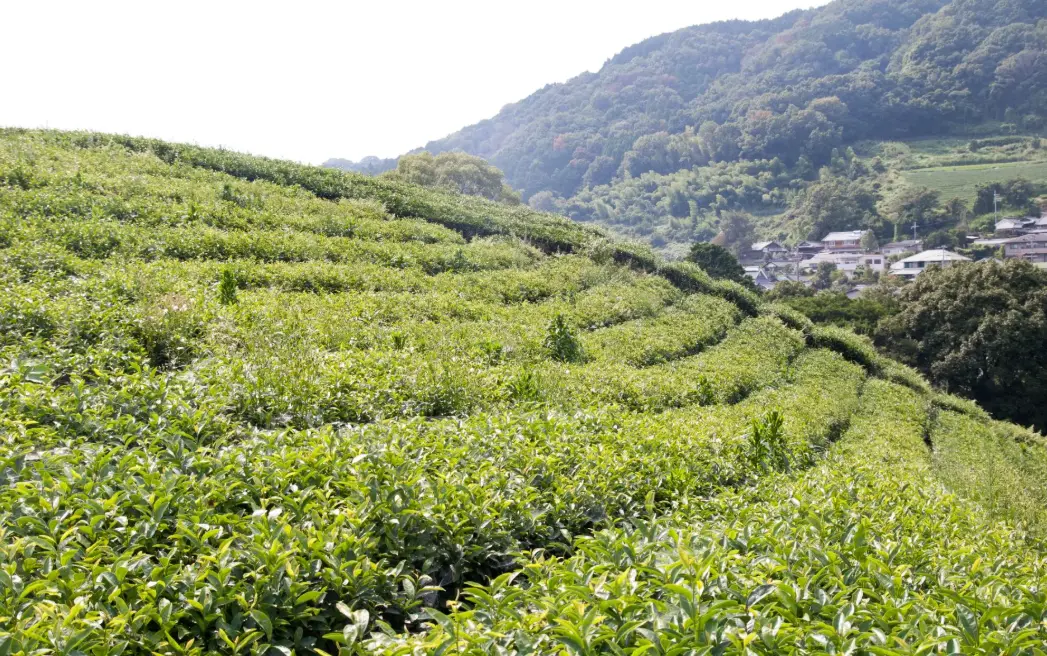
Tea farming involves the cultivation of Camellia sinensis plants in hilly or mountainous regions with well-drained, acidic soils and ample rainfall. Farmers begin by planting seeds or cuttings in nurseries, then transplanting them to fields where they thrive in tropical or subtropical climates, typically at elevations between 1,000 and 2,000 meters.
The plants are pruned regularly to encourage bushy growth and multiple harvests. Tea bushes require consistent moisture, so irrigation or natural monsoon rains are essential. Weeding, pest control, and soil fertilization with organic matter or chemical nutrients help maintain healthy yields.
Harvesting occurs several times a year, with workers plucking the young, tender leaves and buds by hand for quality teas like Darjeeling or Assam. After picking, the leaves undergo processing steps such as withering, rolling, oxidation, and drying to produce varieties like green, black, oolong, or white tea.
Sustainable practices, including shade tree integration and reduced chemical use, are increasingly adopted to protect biodiversity and combat climate change impacts, ensuring the longevity of this ancient agricultural tradition.
Table of Contents
- Part 1: OnlineExamMaker AI Quiz Generator – The Easiest Way to Make Quizzes Online
- Part 2: 20 Tea Farming Quiz Questions & Answers
- Part 3: Try OnlineExamMaker AI Question Generator to Create Quiz Questions
Part 1: OnlineExamMaker AI Quiz Generator – The Easiest Way to Make Quizzes Online
When it comes to ease of creating a Tea Farming skills assessment, OnlineExamMaker is one of the best AI-powered quiz making software for your institutions or businesses. With its AI Question Generator, just upload a document or input keywords about your assessment topic, you can generate high-quality quiz questions on any topic, difficulty level, and format.
What you will like:
● AI Question Generator to help you save time in creating quiz questions automatically.
● Share your online exam with audiences on social platforms like Facebook, Twitter, Reddit and more.
● Display the feedback for correct or incorrect answers instantly after a question is answered.
● Create a lead generation form to collect an exam taker’s information, such as email, mobile phone, work title, company profile and so on.
Automatically generate questions using AI
Part 2: 20 Tea Farming Quiz Questions & Answers
or
1. Question: What is the primary climate required for optimal tea cultivation?
A. Arid and hot
B. Cold and dry
C. Warm and humid
D. Temperate and windy
Answer: C
Explanation: Tea plants thrive in warm and humid conditions with temperatures between 18-30°C and high rainfall, which supports their growth and leaf quality.
2. Question: Which soil type is most suitable for tea farming?
A. Sandy soil
B. Clay soil
C. Loamy soil with good drainage
D. Rocky soil
Answer: C
Explanation: Loamy soil with good drainage and a pH of 4.5-5.5 provides the necessary nutrients and prevents waterlogging, ideal for tea root development.
3. Question: What is the typical planting distance for tea bushes in a farm?
A. 10 cm apart
B. 50 cm apart
C. 1-2 meters apart
D. 5 meters apart
Answer: C
Explanation: Tea bushes are planted 1-2 meters apart to allow space for growth, sunlight penetration, and ease of harvesting while maximizing land use.
4. Question: Which nutrient is most essential for tea plant growth?
A. Phosphorus
B. Potassium
C. Nitrogen
D. Calcium
Answer: C
Explanation: Nitrogen is crucial for promoting leaf growth and maintaining the green color of tea leaves, which directly impacts yield and quality.
5. Question: What is the best time to prune tea bushes?
A. During the rainy season
B. In winter
C. Immediately after harvesting
D. In summer
Answer: B
Explanation: Pruning in winter helps rejuvenate the plant, control its shape, and encourage new growth in the upcoming season without interfering with harvests.
6. Question: Which pest is a common threat to tea farms?
A. Aphids
B. Caterpillars
C. Tea mosquito bugs
D. All of the above
Answer: D
Explanation: Aphids, caterpillars, and tea mosquito bugs can damage leaves and reduce yield, making integrated pest management essential in tea farming.
7. Question: How is green tea primarily processed?
A. Fermentation and drying
B. Steaming or pan-firing and drying
C. Oxidation and rolling
D. Sun-drying only
Answer: B
Explanation: Green tea is processed by steaming or pan-firing to halt oxidation, preserving its fresh flavor and green color, unlike other teas.
8. Question: What is the ideal elevation for growing high-quality tea?
A. Sea level
B. 500-2000 meters above sea level
C. Below 100 meters
D. Above 3000 meters
Answer: B
Explanation: Elevations of 500-2000 meters provide cooler temperatures and misty conditions that enhance the flavor and aroma of tea leaves.
9. Question: Which country is the largest producer of tea globally?
A. India
B. China
C. Kenya
D. Sri Lanka
Answer: B
Explanation: China leads in tea production due to its vast suitable land, long history of cultivation, and diverse tea varieties.
10. Question: What role does irrigation play in tea farming?
A. It is unnecessary in humid regions
B. It ensures consistent soil moisture during dry spells
C. It increases soil acidity
D. It replaces rainfall entirely
Answer: B
Explanation: Irrigation maintains steady soil moisture, especially in drier periods, to support continuous growth and prevent stress on tea plants.
11. Question: How often should tea leaves be harvested?
A. Once a year
B. Every 2-3 months
C. Daily
D. Only in summer
Answer: B
Explanation: Tea leaves are typically harvested every 2-3 months during the growing season to ensure the best quality and multiple yields per year.
12. Question: What is the purpose of shading in tea cultivation?
A. To increase sunlight exposure
B. To protect leaves from direct sun and enhance flavor
C. To speed up growth
D. To reduce rainfall
Answer: B
Explanation: Shading nets protect tea plants from intense sunlight, reducing bitterness and promoting the development of amino acids that improve tea taste.
13. Question: Which disease commonly affects tea plants?
A. Blight
B. Rust
C. Anthracnose
D. All of the above
Answer: D
Explanation: Blight, rust, and anthracnose can infect tea leaves, causing spots and defoliation, which necessitates fungicide application and good farm hygiene.
14. Question: What is the minimum rainfall required for tea farming?
A. 500 mm per year
B. 1000-1500 mm per year
C. 2000 mm per year
D. 3000 mm per year
Answer: B
Explanation: Tea requires 1000-1500 mm of rainfall annually, distributed evenly, to maintain soil moisture and support healthy plant development.
15. Question: How does organic farming benefit tea production?
A. Reduces costs
B. Improves soil health and reduces chemical residues
C. Increases yield immediately
D. Eliminates the need for labor
Answer: B
Explanation: Organic methods enhance soil fertility, biodiversity, and produce tea with fewer pesticides, appealing to health-conscious consumers.
16. Question: What is the typical lifespan of a tea bush?
A. 5-10 years
B. 20-50 years
C. 100 years
D. 1-2 years
Answer: B
Explanation: With proper care, tea bushes can live 20-50 years, providing consistent yields and allowing for long-term farm planning.
17. Question: Which factor influences the flavor of tea the most?
A. Soil type
B. Harvesting time
C. Processing method
D. All of the above
Answer: D
Explanation: Soil, harvesting timing, and processing all contribute to tea flavor; for instance, early harvests yield tender leaves with a milder taste.
18. Question: What is intercropping in tea farming?
A. Growing tea with other crops
B. Only growing tea
C. Rotating tea crops
D. Harvesting multiple times
Answer: A
Explanation: Intercropping involves planting tea alongside complementary crops like legumes to improve soil fertility and diversify income.
19. Question: How does climate change impact tea farming?
A. It has no effect
B. It can alter rainfall patterns and increase pests
C. It improves yield
D. It shortens the growing season
Answer: B
Explanation: Climate change can lead to irregular rainfall, higher temperatures, and more pests, challenging tea farmers to adapt their practices.
20. Question: What is the key to sustainable tea farming?
A. Maximizing chemical use
B. Implementing soil conservation and eco-friendly practices
C. Ignoring pest control
D. Over-harvesting
Answer: B
Explanation: Sustainable practices like soil conservation, water management, and reduced chemicals ensure long-term productivity and environmental health in tea farming.
or
Part 3: Try OnlineExamMaker AI Question Generator to Create Quiz Questions
Automatically generate questions using AI