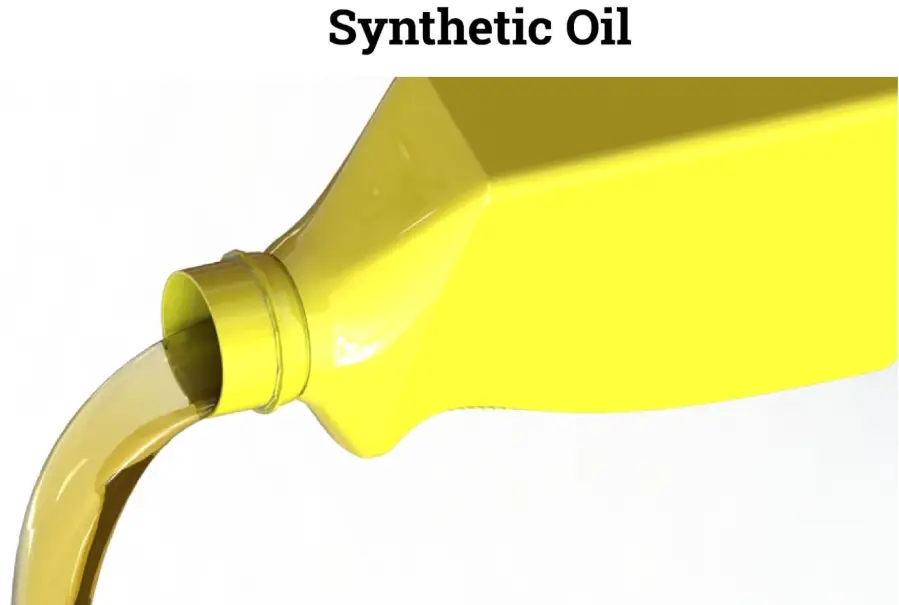
Synthetic oil is a lubricant manufactured through chemical processes to create a base oil that offers superior performance compared to conventional mineral oils. Unlike traditional oils derived from crude petroleum, synthetic oils are engineered using precise molecular structures, often from base stocks like polyalphaolefins (PAOs), esters, or other synthesized compounds.
Key Characteristics:
– Viscosity Stability: Maintains consistent thickness across a wide range of temperatures, providing better protection in extreme heat or cold.
– Oxidation Resistance: Resists breakdown from heat and oxygen, leading to longer oil change intervals and reduced engine deposits.
– Lubrication Efficiency: Offers lower friction, which can improve fuel economy and engine efficiency.
History and Development:
Synthetic oils emerged in the mid-20th century, with significant advancements during World War II when German engineers developed them for high-performance aircraft engines. By the 1970s, they became popular in automotive applications, evolving with modern formulations to meet stricter environmental and performance standards.
Benefits:
– Enhanced engine protection, reducing wear and extending engine life.
– Improved cold-start performance, allowing quicker lubrication in low temperatures.
– Better fuel efficiency due to reduced internal engine friction.
– Compatibility with turbocharged and high-performance engines.
– Environmental advantages, such as lower emissions and biodegradability in some eco-friendly variants.
Applications:
Synthetic oils are widely used in automotive engines, including cars, trucks, motorcycles, and racing vehicles. They are also applied in industrial machinery, aviation, marine engines, and even in two-stroke engines for power tools. Popular brands include Mobil 1, Castrol Edge, and Amsoil, often recommended for modern vehicles with advanced emission systems.
Considerations:
While more expensive upfront, synthetic oils can save costs over time through extended service intervals and improved vehicle longevity. Always check manufacturer recommendations for the appropriate oil type and grade to ensure optimal performance.
Table of Contents
- Part 1: Create A Synthetic Oil Quiz in Minutes Using AI with OnlineExamMaker
- Part 2: 20 Synthetic Oil Quiz Questions & Answers
- Part 3: OnlineExamMaker AI Question Generator: Generate Questions for Any Topic
Part 1: Create A Synthetic Oil Quiz in Minutes Using AI with OnlineExamMaker
Are you looking for an online assessment to test the Synthetic Oil skills of your learners? OnlineExamMaker uses artificial intelligence to help quiz organizers to create, manage, and analyze exams or tests automatically. Apart from AI features, OnlineExamMaker advanced security features such as full-screen lockdown browser, online webcam proctoring, and face ID recognition.
Recommended features for you:
● Includes a safe exam browser (lockdown mode), webcam and screen recording, live monitoring, and chat oversight to prevent cheating.
● Enhances assessments with interactive experience by embedding video, audio, image into quizzes and multimedia feedback.
● Once the exam ends, the exam scores, question reports, ranking and other analytics data can be exported to your device in Excel file format.
● Offers question analysis to evaluate question performance and reliability, helping instructors optimize their training plan.
Automatically generate questions using AI
Part 2: 20 Synthetic Oil Quiz Questions & Answers
or
1. What is synthetic oil primarily made from?
A. Crude oil derivatives
B. Chemically synthesized compounds
C. Animal fats
D. Plant extracts
Answer: B
Explanation: Synthetic oil is created through chemical processes that engineer base oils for enhanced performance, unlike conventional oils derived from petroleum.
2. Which of the following is a key advantage of synthetic oil over conventional oil?
A. Lower cost
B. Better resistance to breakdown at high temperatures
C. Shorter oil change intervals
D. Increased viscosity in cold weather
Answer: B
Explanation: Synthetic oil maintains its viscosity and stability at extreme temperatures, reducing the risk of engine wear compared to conventional oils.
3. In what type of engines is synthetic oil most commonly recommended?
A. Older, high-mileage engines
B. High-performance or turbocharged engines
C. Diesel engines only
D. Two-stroke engines
Answer: B
Explanation: Synthetic oil’s superior lubrication properties make it ideal for high-performance engines that operate under stress and high temperatures.
4. What does API certification on synthetic oil indicate?
A. It is environmentally friendly
B. It meets specific performance standards for engines
C. It is cheaper than other oils
D. It requires frequent changes
Answer: B
Explanation: API certification ensures that synthetic oil adheres to industry standards for engine protection, fuel efficiency, and emission control.
5. How does synthetic oil typically affect fuel efficiency?
A. It decreases it due to higher viscosity
B. It has no impact
C. It improves it by reducing engine friction
D. It only works in hybrid vehicles
Answer: C
Explanation: Synthetic oil’s smooth molecular structure reduces internal engine friction, leading to better fuel efficiency and lower emissions.
6. What is a common misconception about synthetic oil?
A. It works in all weather conditions
B. It can void a vehicle’s warranty
C. It is only for new cars
D. It requires more frequent oil changes
Answer: B
Explanation: Using synthetic oil does not void warranties; manufacturers often recommend it, but always check the vehicle’s manual.
7. Which property makes synthetic oil suitable for extreme cold weather?
A. Higher flash point
B. Lower pour point
C. Increased acidity
D. Greater density
Answer: B
Explanation: Synthetic oil has a lower pour point, allowing it to flow more easily in cold temperatures and provide better engine protection.
8. What role does synthetic oil play in reducing engine deposits?
A. It increases deposits over time
B. It has no effect on deposits
C. It minimizes deposits due to detergent additives
D. It only cleans existing deposits
Answer: C
Explanation: Synthetic oil contains advanced additives that help prevent sludge and carbon buildup, keeping engines cleaner longer.
9. Why might synthetic oil be preferred in aviation engines?
A. It is lighter and cheaper
B. It offers better thermal stability at high altitudes
C. It is derived from natural sources
D. It requires less maintenance
Answer: B
Explanation: Synthetic oil’s ability to withstand extreme temperatures and pressures makes it reliable for aviation applications.
10. How often should synthetic oil typically be changed in a standard passenger vehicle?
A. Every 3,000 miles
B. Every 5,000-7,500 miles
C. Every 10,000-15,000 miles
D. It never needs changing
Answer: C
Explanation: Synthetic oil lasts longer due to its resistance to breakdown, often allowing for extended oil change intervals compared to conventional oil.
11. What is the primary base stock used in most synthetic oils?
A. Polyalphaolefins (PAO)
B. Crude oil fractions
C. Silicone-based compounds
D. Water-soluble polymers
Answer: A
Explanation: PAO is a common synthetic base stock that provides excellent lubrication and stability, mimicking the best properties of natural oils.
12. In what way does synthetic oil benefit high-mileage vehicles?
A. It increases engine noise
B. It seals worn engine parts better
C. It accelerates wear
D. It reduces horsepower
Answer: B
Explanation: Synthetic oil’s consistent viscosity helps seal gaps in older engines, reducing oil consumption and improving overall performance.
13. Which environmental factor is improved by using synthetic oil?
A. Increased oil spills
B. Reduced emissions from better engine efficiency
C. Higher resource extraction
D. More waste production
Answer: B
Explanation: Synthetic oil enhances fuel efficiency, which can lower vehicle emissions and contribute to a smaller environmental footprint.
14. What distinguishes fully synthetic oil from synthetic blend oil?
A. Fully synthetic is cheaper
B. Synthetic blend contains no additives
C. Fully synthetic is 100% chemically engineered
D. They are the same
Answer: C
Explanation: Fully synthetic oil is entirely made from synthesized compounds, while blends mix synthetic and conventional oils for a balance of cost and performance.
15. Why is synthetic oil less likely to oxidize?
A. It has a higher water content
B. Its molecular structure is more stable
C. It evaporates quickly
D. It contains more impurities
Answer: B
Explanation: The uniform molecular structure of synthetic oil resists oxidation, extending its lifespan and maintaining engine protection.
16. In racing applications, what makes synthetic oil advantageous?
A. It is easier to clean up
B. It provides consistent performance under high stress
C. It is non-flammable
D. It requires no filtration
Answer: B
Explanation: Synthetic oil’s ability to handle extreme speeds and temperatures without breaking down is crucial for racing engines.
17. What effect does synthetic oil have on engine startup?
A. It delays startup in cold weather
B. It provides immediate lubrication
C. It increases wear during startup
D. It requires pre-warming
Answer: B
Explanation: Synthetic oil flows quickly even in low temperatures, ensuring rapid lubrication and reducing wear during engine startup.
18. How does synthetic oil impact overall engine longevity?
A. It shortens lifespan due to additives
B. It has no significant impact
C. It extends lifespan by reducing friction and wear
D. It only affects new engines
Answer: C
Explanation: By minimizing friction and maintaining optimal viscosity, synthetic oil helps prevent engine damage, potentially extending its life.
19. What is a potential drawback of using synthetic oil?
A. It is too thick for most engines
B. Higher initial cost compared to conventional oil
C. It causes immediate engine failure
D. It cannot be recycled
Answer: B
Explanation: While effective, synthetic oil is more expensive upfront, though its longer intervals may offset costs over time.
20. Which standard organization often certifies synthetic oils for automotive use?
A. EPA
B. ILSAC
C. FDA
D. ISO
Answer: B
Explanation: ILSAC (International Lubricant Standardization and Approval Committee) certifies synthetic oils to ensure they meet performance requirements for gasoline engines.
or
Part 3: OnlineExamMaker AI Question Generator: Generate Questions for Any Topic
Automatically generate questions using AI