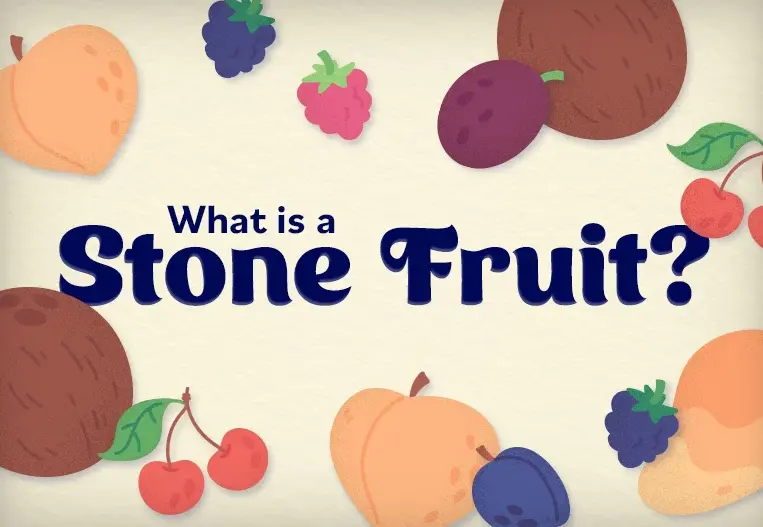
Stone fruits, also known as drupes, are a vibrant and juicy category of fruits characterized by their fleshy outer layer and a hard, inedible pit at the center. Popular examples include peaches, nectarines, plums, cherries, apricots, and mangoes, each offering a burst of sweet or tart flavors depending on the variety. Their thin, often fuzzy or smooth skins enclose tender, succulent flesh that ranges from pale yellow to deep red, making them a seasonal delight, especially in summer. Stone fruits are versatile in the kitchen, perfect for eating fresh, grilling, baking into pies, or turning into jams and preserves, adding a natural sweetness and refreshing texture to any meal.
Table of Contents
- Part 1: Create An Amazing Stone Fruits Quiz Using AI Instantly in OnlineExamMaker
- Part 2: 20 Stone Fruits Quiz Questions & Answers
- Part 3: Try OnlineExamMaker AI Question Generator to Create Quiz Questions
Part 1: Create An Amazing Stone Fruits Quiz Using AI Instantly in OnlineExamMaker
The quickest way to assess the Stone Fruits knowledge of candidates is using an AI assessment platform like OnlineExamMaker. With OnlineExamMaker AI Question Generator, you are able to input content—like text, documents, or topics—and then automatically generate questions in various formats (multiple-choice, true/false, short answer). Its AI Exam Grader can automatically grade the exam and generate insightful reports after your candidate submit the assessment.
Overview of its key assessment-related features:
● Create up to 10 question types, including multiple-choice, true/false, fill-in-the-blank, matching, short answer, and essay questions.
● Automatically generates detailed reports—individual scores, question report, and group performance.
● Instantly scores objective questions and subjective answers use rubric-based scoring for consistency.
● API and SSO help trainers integrate OnlineExamMaker with Google Classroom, Microsoft Teams, CRM and more.
Automatically generate questions using AI
Part 2: 20 Stone Fruits Quiz Questions & Answers
or
1. Question: Which of the following is a stone fruit?
A) Apple
B) Peach
C) Banana
D) Orange
Answer: B) Peach
Explanation: Peaches are stone fruits because they have a hard pit or stone enclosing the seed, which is a defining characteristic of this fruit category.
2. Question: What is the primary stone fruit grown in California?
A) Cherries
B) Plums
C) Peaches
D) Apricots
Answer: C) Peaches
Explanation: Peaches are one of the most widely grown stone fruits in California due to the region’s favorable climate and soil conditions.
3. Question: Which stone fruit is known for its fuzzy skin?
A) Nectarine
B) Plum
C) Peach
D) Cherry
Answer: C) Peach
Explanation: Peaches have a distinctive fuzzy skin, which sets them apart from other stone fruits like nectarines that have smooth skin.
4. Question: What type of stone fruit is often used to make maraschino cherries?
A) Apricot
B) Cherry
C) Plum
D) Mango
Answer: B) Cherry
Explanation: Cherries are processed into maraschino cherries, a popular garnish, highlighting their use in both fresh and preserved forms.
5. Question: Which stone fruit is typically the smallest in size?
A) Peach
B) Cherry
C) Plum
D) Apricot
Answer: B) Cherry
Explanation: Cherries are generally the smallest stone fruits, often measuring about 1-2 cm in diameter, compared to larger fruits like peaches.
6. Question: In which season are most stone fruits harvested?
A) Winter
B) Spring
C) Summer
D) Fall
Answer: C) Summer
Explanation: Stone fruits like peaches and plums ripen and are harvested primarily in the summer months when warmer temperatures aid their growth.
7. Question: What is the hard inner part of a stone fruit called?
A) Core
B) Pit
C) Shell
D) Seed
Answer: B) Pit
Explanation: The hard, inner structure surrounding the seed in stone fruits is called a pit, which must be removed before eating or processing.
8. Question: Which stone fruit is commonly dried to make prunes?
A) Apricot
B) Plum
C) Nectarine
D) Cherry
Answer: B) Plum
Explanation: Plums are dried to produce prunes, a process that concentrates their natural sugars and extends their shelf life.
9. Question: What color are ripe apricots usually?
A) Green
B) Red
C) Orange
D) Yellow
Answer: C) Orange
Explanation: Ripe apricots typically have an orange hue, indicating they are sweet and ready to eat, unlike unripe ones which are green.
10. Question: Which stone fruit is native to China?
A) Cherry
B) Peach
C) Mango
D) Plum
Answer: B) Peach
Explanation: Peaches originated in China thousands of years ago and were cultivated there before spreading to other parts of the world.
11. Question: What nutritional benefit do stone fruits like cherries provide?
A) High in vitamin C
B) Rich in antioxidants
C) Low in fiber
D) High in fat
Answer: B) Rich in antioxidants
Explanation: Cherries and other stone fruits are packed with antioxidants, such as anthocyanins, which help fight oxidative stress in the body.
12. Question: Which stone fruit is often used in pies and cobblers?
A) Apricot
B) Peach
C) Olive
D) Date
Answer: B) Peach
Explanation: Peaches are a popular choice for baking due to their sweet flavor and juicy texture when cooked in desserts like pies.
13. Question: What is the scientific family of most stone fruits?
A) Rosaceae
B) Solanaceae
C) Rutaceae
D) Vitaceae
Answer: A) Rosaceae
Explanation: Most stone fruits, such as peaches and cherries, belong to the Rosaceae family, which also includes roses and apples.
14. Question: Which stone fruit has a smooth skin similar to a peach but without fuzz?
A) Plum
B) Nectarine
C) Cherry
D) Apricot
Answer: B) Nectarine
Explanation: Nectarines are a variant of peaches with smooth skin, resulting from a genetic mutation that removes the fuzz.
15. Question: What is a common allergic reaction to stone fruits?
A) Oral allergy syndrome
B) Skin rashes only
C) Eye irritation
D) None
Answer: A) Oral allergy syndrome
Explanation: Some people experience oral allergy syndrome from stone fruits due to proteins similar to those in pollen, causing itching or swelling in the mouth.
16. Question: Which stone fruit is used to produce almond-like flavor in extracts?
A) Peach
B) Apricot
C) Cherry
D) Plum
Answer: B) Apricot
Explanation: Apricot kernels can be used to create extracts with an almond-like flavor, though they must be processed safely.
17. Question: How are stone fruits typically propagated?
A) From seeds
B) From cuttings
C) From grafts
D) From bulbs
Answer: C) From grafts
Explanation: Stone fruits are often propagated through grafting to maintain desirable traits like size and flavor.
18. Question: Which stone fruit is known for its high fiber content?
A) Cherry
B) Plum
C) Nectarine
D) Mango
Answer: B) Plum
Explanation: Plums are particularly high in dietary fiber, which aids digestion and helps prevent constipation.
19. Question: What disease is stone fruits like peaches susceptible to?
A) Brown rot
B) Apple scab
C) Citrus canker
D) Tomato blight
Answer: A) Brown rot
Explanation: Brown rot is a common fungal disease that affects stone fruits, causing decay and spoilage during humid conditions.
20. Question: Which stone fruit is often fermented to make wine?
A) Peach
B) Cherry
C) Apricot
D) Plum
Answer: B) Cherry
Explanation: Cherries are frequently used in winemaking, such as for cherry wine, due to their sweet and tart profile.
or
Part 3: Try OnlineExamMaker AI Question Generator to Create Quiz Questions
Automatically generate questions using AI