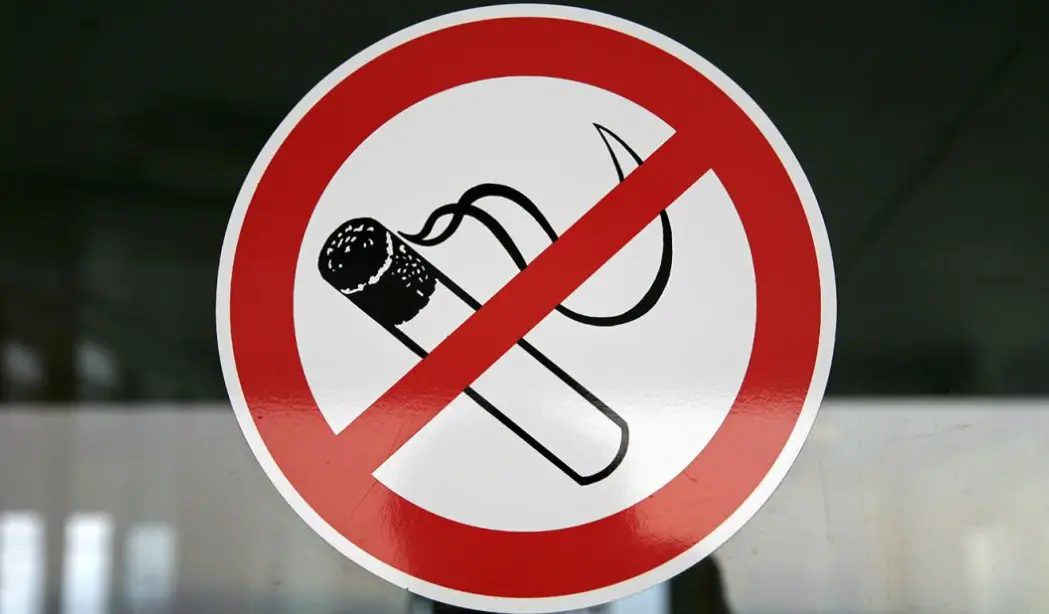
A smoking ban is a public health policy designed to prohibit smoking in specific public or private spaces, such as workplaces, restaurants, bars, public transportation, and schools. Implemented to protect non-smokers from the dangers of secondhand smoke, these bans aim to reduce health risks including lung cancer, heart disease, and respiratory issues.
Originating from growing scientific evidence on tobacco’s harms, the first major smoking bans emerged in the late 20th century, with places like California leading the way in the 1990s. Today, many countries enforce comprehensive bans; for instance, Ireland was the first nation to introduce a nationwide workplace smoking ban in 2004, inspiring similar measures globally.
The primary goals of smoking bans include improving air quality, decreasing smoking rates, and promoting a culture of health. They often result in immediate benefits, such as reduced hospital admissions for heart attacks, while also facing challenges like enforcement costs and potential economic impacts on tobacco-related businesses. Ultimately, these policies contribute to creating safer, smoke-free environments that support public well-being and encourage healthier lifestyles.
Table of Contents
- Part 1: Create A Smoking Ban Quiz in Minutes Using AI with OnlineExamMaker
- Part 2: 20 Smoking Ban Quiz Questions & Answers
- Part 3: Try OnlineExamMaker AI Question Generator to Create Quiz Questions
Part 1: Create A Smoking Ban Quiz in Minutes Using AI with OnlineExamMaker
Are you looking for an online assessment to test the Smoking Ban skills of your learners? OnlineExamMaker uses artificial intelligence to help quiz organizers to create, manage, and analyze exams or tests automatically. Apart from AI features, OnlineExamMaker advanced security features such as full-screen lockdown browser, online webcam proctoring, and face ID recognition.
Recommended features for you:
● Includes a safe exam browser (lockdown mode), webcam and screen recording, live monitoring, and chat oversight to prevent cheating.
● Enhances assessments with interactive experience by embedding video, audio, image into quizzes and multimedia feedback.
● Once the exam ends, the exam scores, question reports, ranking and other analytics data can be exported to your device in Excel file format.
● Offers question analysis to evaluate question performance and reliability, helping instructors optimize their training plan.
Automatically generate questions using AI
Part 2: 20 Smoking Ban Quiz Questions & Answers
or
1. Question: What is the primary purpose of smoking bans in public places?
Options:
A. To reduce healthcare costs
B. To protect non-smokers from secondhand smoke
C. To increase tobacco sales
D. To promote smoking among adults
Correct Answer: B
Explanation: Smoking bans aim to minimize exposure to secondhand smoke, which is harmful and can cause serious health issues like lung cancer and heart disease in non-smokers.
2. Question: In which year did the World Health Organization (WHO) Framework Convention on Tobacco Control recommend implementing smoking bans?
Options:
A. 1990
B. 2003
C. 2010
D. 2015
Correct Answer: B
Explanation: The WHO Framework Convention on Tobacco Control was adopted in 2003 and includes provisions for smoke-free environments to protect public health.
3. Question: Which U.S. state was the first to implement a statewide smoking ban in all workplaces and public places?
Options:
A. California
B. New York
C. Delaware
D. Minnesota
Correct Answer: A
Explanation: California passed the first statewide smoking ban in 1995, setting a precedent for protecting public health from secondhand smoke.
4. Question: What is a common penalty for violating a smoking ban in many countries?
Options:
A. Community service
B. Fines
C. Imprisonment
D. License revocation
Correct Answer: B
Explanation: Fines are the most common enforcement mechanism for smoking bans, as they deter individuals without requiring extreme measures like imprisonment.
5. Question: Which of the following is NOT typically included in smoking ban regulations?
Options:
A. Bars and restaurants
B. Private homes
C. Schools
D. Hospitals
Correct Answer: B
Explanation: Smoking bans generally apply to public spaces, but private homes are usually exempt as they are not shared public areas.
6. Question: How does a smoking ban in workplaces benefit employees?
Options:
A. Reduces productivity
B. Decreases exposure to harmful smoke
C. Increases break times
D. Encourages smoking breaks
Correct Answer: B
Explanation: Workplace smoking bans protect employees from secondhand smoke, reducing the risk of respiratory diseases and improving overall health.
7. Question: In the European Union, what percentage of indoor public spaces must be smoke-free under the Tobacco Products Directive?
Options:
A. 50%
B. 75%
C. 100%
D. 90%
Correct Answer: C
Explanation: EU regulations require 100% smoke-free environments in enclosed public spaces to fully protect public health.
8. Question: What health organization advocates for global smoking bans?
Options:
A. World Bank
B. World Health Organization (WHO)
C. International Monetary Fund
D. United Nations Environment Programme
Correct Answer: B
Explanation: The WHO leads efforts for tobacco control, including smoking bans, as part of its mission to promote global health.
9. Question: Which country has one of the strictest smoking bans, prohibiting smoking in all indoor public places and many outdoor areas?
Options:
A. United Kingdom
B. Australia
C. Brazil
D. Singapore
Correct Answer: D
Explanation: Singapore enforces comprehensive smoking bans with heavy fines, aiming to create a smoke-free environment in both indoor and specified outdoor spaces.
10. Question: What is the main economic argument in favor of smoking bans?
Options:
A. Increased tobacco industry revenue
B. Reduced healthcare expenditures
C. Higher unemployment rates
D. Greater demand for cigarettes
Correct Answer: B
Explanation: Smoking bans can lower healthcare costs by reducing smoking-related illnesses, which benefits economies through saved resources.
11. Question: True or false: Smoking bans only apply to traditional cigarettes and not e-cigarettes.
Options:
A. True
B. False
C. Sometimes true
D. Depends on the country
Correct Answer: B
Explanation: Many modern smoking bans include e-cigarettes, as they can still produce harmful aerosols affecting others in shared spaces.
12. Question: In what setting are smoking bans most commonly enforced first?
Options:
A. Private vehicles
B. Public transportation
C. Beaches
D. Sports stadiums
Correct Answer: B
Explanation: Public transportation is often one of the first areas targeted for smoking bans due to the enclosed spaces and high number of people.
13. Question: How do smoking bans impact the hospitality industry?
Options:
A. They always lead to business closures
B. They can improve air quality and attract non-smoking customers
C. They increase smoking inside venues
D. They have no effect
Correct Answer: B
Explanation: Smoking bans in hospitality venues often result in cleaner environments, which can boost patronage from health-conscious individuals.
14. Question: Which international treaty supports the implementation of smoking bans?
Options:
A. Paris Agreement
B. WHO Framework Convention on Tobacco Control
C. Kyoto Protocol
D. Geneva Conventions
Correct Answer: B
Explanation: This treaty specifically addresses tobacco control measures, including bans, to reduce global tobacco use and its health impacts.
15. Question: What is a potential challenge in enforcing smoking bans in developing countries?
Options:
A. Lack of public awareness
B. Strong tobacco lobbying
C. Insufficient funding for enforcement
D. All of the above
Correct Answer: D
Explanation: Developing countries often face multiple barriers, including awareness issues, lobbying, and funding shortages, which hinder effective enforcement.
16. Question: Which U.S. federal law prohibits smoking in federal buildings?
Options:
A. Clean Air Act
B. Pro-Children Act
C. Smoking Ban Act
D. Occupational Safety and Health Act
Correct Answer: B
Explanation: The Pro-Children Act of 1994 bans smoking in facilities where federally funded children’s services are provided, extending to federal buildings.
17. Question: How do smoking bans affect youth smoking rates?
Options:
A. They increase rates by making it seem rebellious
B. They have no impact
C. They decrease rates by limiting exposure and normalization
D. They only affect adults
Correct Answer: C
Explanation: By reducing the visibility and social acceptance of smoking, bans help lower initiation rates among young people.
18. Question: In Canada, smoking is banned in which of the following?
Options:
A. All indoor workplaces
B. Outdoor patios of bars
C. Both A and B
D. Neither A nor B
Correct Answer: C
Explanation: Canadian provinces enforce comprehensive bans that include indoor workplaces and many outdoor areas like bar patios to protect public health.
19. Question: What role do designated smoking areas play in smoking bans?
Options:
A. They eliminate the need for bans
B. They provide a controlled space to reduce exposure elsewhere
C. They encourage more smoking
D. They are required in all public places
Correct Answer: B
Explanation: Designated areas help enforce bans by confining smoking to specific spots, minimizing secondhand smoke in other areas.
20. Question: Which factor has been shown to increase compliance with smoking bans?
Options:
A. Public education campaigns
B. Ignoring violations
C. Allowing smoking in hidden areas
D. Reducing fines
Correct Answer: A
Explanation: Education campaigns raise awareness about the health risks and benefits of bans, leading to higher voluntary compliance from the public.
or
Part 3: Try OnlineExamMaker AI Question Generator to Create Quiz Questions
Automatically generate questions using AI