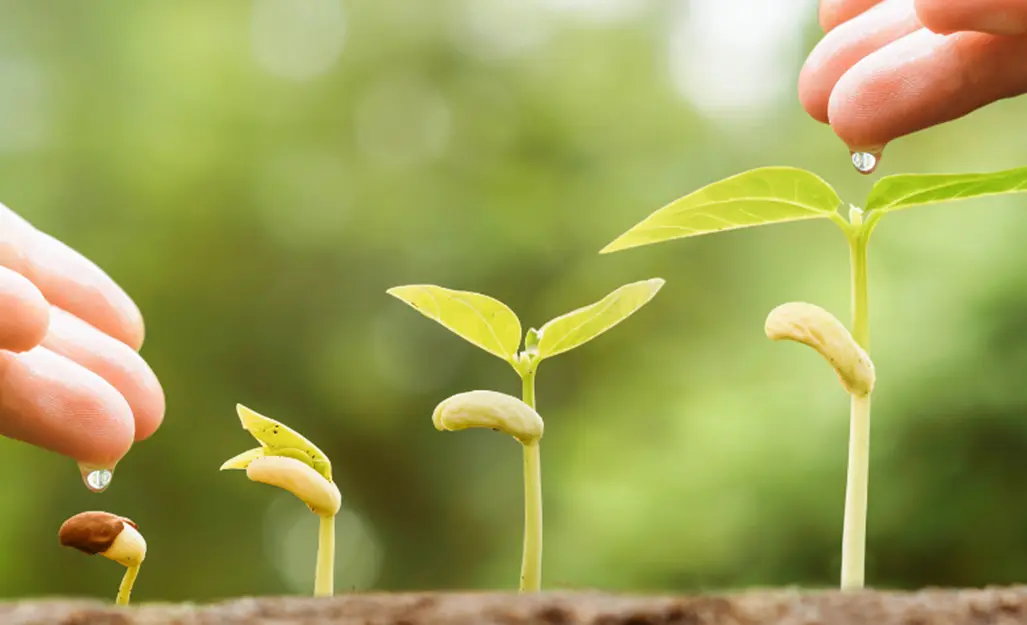
The seed industry is a vital sector within agriculture that focuses on the development, production, distribution, and marketing of seeds for crops, horticulture, and forestry. It encompasses the breeding of high-yield varieties, including genetically modified and hybrid seeds, to enhance plant resilience against pests, diseases, and environmental challenges like drought or poor soil. This industry drives global food security by supplying farmers with improved seeds that boost crop yields, nutritional quality, and sustainability. From multinational corporations to local breeders, it integrates advanced technologies such as biotechnology and precision agriculture to innovate seed traits, while navigating regulations on intellectual property, biodiversity, and environmental impact. Ultimately, it forms the foundation of modern farming, supporting economic growth and addressing the world’s growing demand for food.
Table of Contents
- Part 1: Best AI Quiz Making Software for Creating A Seed Industry Quiz
- Part 2: 20 Seed Industry Quiz Questions & Answers
- Part 3: Try OnlineExamMaker AI Question Generator to Create Quiz Questions
Part 1: Best AI Quiz Making Software for Creating A Seed Industry Quiz
Nowadays more and more people create Seed Industry quizzes using AI technologies, OnlineExamMaker a powerful AI-based quiz making tool that can save you time and efforts. The software makes it simple to design and launch interactive quizzes, assessments, and surveys. With the Question Editor, you can create multiple-choice, open-ended, matching, sequencing and many other types of questions for your tests, exams and inventories. You are allowed to enhance quizzes with multimedia elements like images, audio, and video to make them more interactive and visually appealing.
Take a product tour of OnlineExamMaker:
● Create a question pool through the question bank and specify how many questions you want to be randomly selected among these questions.
● Build and store questions in a centralized portal, tagged by categories and keywords for easy reuse and organization.
● Simply copy a few lines of codes, and add them to a web page, you can present your online quiz in your website, blog, or landing page.
● Randomize questions or change the order of questions to ensure exam takers don’t get the same set of questions each time.
Automatically generate questions using AI
Part 2: 20 Seed Industry Quiz Questions & Answers
or
1. What is a hybrid seed?
A) A seed produced by cross-pollination between two different varieties
B) A seed that is genetically modified in a lab
C) A seed that remains dormant for many years
D) A seed harvested from wild plants
Answer: A
Explanation: Hybrid seeds result from controlled cross-pollination of two genetically distinct parent plants, leading to improved traits like higher yield and disease resistance.
2. Which factor is most critical for seed germination?
A) High soil acidity
B) Adequate moisture and temperature
C) Direct sunlight exposure
D) Wind speed
Answer: B
Explanation: Seed germination requires optimal moisture to soften the seed coat and appropriate temperature to activate enzymes, allowing the embryo to grow.
3. What does seed certification ensure?
A) The seed is organic
B) The seed meets standards for purity, germination rate, and genetic identity
C) The seed is free from pests without chemicals
D) The seed is the cheapest available option
Answer: B
Explanation: Certification verifies that seeds are of high quality, ensuring they are true to type and have a high germination rate, which helps farmers achieve better crop outcomes.
4. How do GMO seeds differ from traditional seeds?
A) GMO seeds are always more drought-resistant
B) GMO seeds have genes from other organisms inserted to add traits
C) Traditional seeds require more water
D) GMO seeds cannot be replanted
Answer: B
Explanation: GMO seeds are genetically engineered by inserting specific genes from other species to enhance characteristics like pest resistance, unlike traditional seeds which are bred naturally.
5. What is seed dormancy?
A) The process of seed storage
B) A state where seeds do not germinate even under favorable conditions
C) The rapid growth phase of a seedling
D) The dispersal of seeds by animals
Answer: B
Explanation: Seed dormancy is a survival mechanism that prevents germination until environmental conditions are ideal, protecting seeds from unfavorable seasons.
6. Which method is commonly used for seed storage?
A) Exposing seeds to direct sunlight
B) Storing seeds in airtight containers at low temperatures
C) Mixing seeds with soil immediately
D) Keeping seeds in high-humidity environments
Answer: B
Explanation: Low-temperature and low-humidity storage in airtight containers slows down metabolic processes, preserving seed viability for longer periods.
7. What role do pollinators play in the seed industry?
A) They help in seed packaging
B) They facilitate cross-pollination for seed production
C) They control seed pests
D) They transport seeds to markets
Answer: B
Explanation: Pollinators like bees transfer pollen between flowers, enabling fertilization and seed formation, which is essential for producing high-quality seeds.
8. Which organization is known for maintaining global seed banks?
A) World Health Organization
B) International Seed Federation
C) Svalbard Global Seed Vault
D) United Nations Environment Programme
Answer: C
Explanation: The Svalbard Global Seed Vault stores duplicates of seeds from around the world to preserve biodiversity and protect against global catastrophes.
9. What is the primary purpose of seed testing?
A) To determine the seed’s color and shape
B) To assess germination percentage, purity, and health
C) To measure the seed’s weight only
D) To check for aesthetic appeal
Answer: B
Explanation: Seed testing evaluates key factors like germination rate and freedom from diseases, ensuring that only viable seeds are distributed to farmers.
10. How does climate change affect the seed industry?
A) It increases seed production costs
B) It alters seed viability and shifts optimal growing regions
C) It eliminates the need for seed storage
D) It boosts seed germination rates
Answer: B
Explanation: Rising temperatures and changing weather patterns can reduce seed longevity and force adaptations in breeding to suit new environmental conditions.
11. What is an heirloom seed?
A) A genetically modified seed variety
B) An open-pollinated seed passed down through generations
C) A hybrid seed designed for commercial use
D) A seed treated with chemicals for preservation
Answer: B
Explanation: Heirloom seeds are non-hybrid varieties saved and replanted over many years, maintaining genetic diversity and traditional traits.
12. Which technique is used in seed breeding for disease resistance?
A) Cross-breeding with resistant varieties
B) Exposing seeds to high heat
C) Storing seeds in water
D) Using chemical dyes on seeds
Answer: A
Explanation: Selective cross-breeding combines desirable traits from resistant plants, creating new seed varieties that can withstand diseases more effectively.
13. What is seed pelleting?
A) Coating seeds with materials to improve handling and planting
B) Mixing seeds with soil for germination
C) Storing seeds in pellets for transport
D) Grinding seeds into powder form
Answer: A
Explanation: Seed pelleting adds layers of protective materials to make seeds easier to plant mechanically and protect them from environmental stresses.
14. Why is seed purity important?
A) It ensures the seed is colorful
B) It guarantees the seed is free from other crop varieties or weeds
C) It makes the seed larger in size
D) It reduces the need for irrigation
Answer: B
Explanation: High seed purity means the batch contains only the intended species, preventing contamination that could lead to poor crop yields.
15. What is the economic impact of the seed industry?
A) It primarily affects only small farmers
B) It drives agricultural innovation and global food security
C) It has no role in export markets
D) It focuses on decorative plants only
Answer: B
Explanation: The seed industry supports food production by developing high-yield varieties, contributing to economic growth and reducing hunger worldwide.
16. How are organic seeds produced?
A) Using synthetic fertilizers and pesticides
B) Through natural methods without chemical inputs
C) By genetic modification
D) In high-tech laboratories
Answer: B
Explanation: Organic seed production relies on sustainable practices like crop rotation and natural pest control, ensuring the seeds meet organic certification standards.
17. What causes seed-borne diseases?
A) Pathogens carried on or inside the seed
B) Overwatering during planting
C) Excessive sunlight
D) Soil nutrients
Answer: A
Explanation: Fungi, bacteria, or viruses can be transmitted via seeds, leading to crop diseases, which is why seed treatment is a key industry practice.
18. Which law regulates seed trade internationally?
A) The Paris Agreement
B) The International Treaty on Plant Genetic Resources for Food and Agriculture
C) The Kyoto Protocol
D) The World Trade Organization rules
Answer: B
Explanation: This treaty governs the exchange and conservation of plant genetic resources, including seeds, to promote fair access and sustainable use.
19. What is seed vigor?
A) The speed and uniformity of seedling emergence
B) The color of the seed coat
C) The weight of the seed
D) The storage duration
Answer: A
Explanation: Seed vigor refers to the seed’s potential for rapid and even germination, which directly influences crop establishment and yield.
20. How does seed coating benefit farmers?
A) It makes seeds inedible to birds
B) It protects seeds from insects and improves planting accuracy
C) It changes the seed’s flavor
D) It reduces soil fertility
Answer: B
Explanation: Seed coatings add fungicides, insecticides, or nutrients, enhancing protection during early growth and making mechanical planting more efficient.
or
Part 3: Try OnlineExamMaker AI Question Generator to Create Quiz Questions
Automatically generate questions using AI