Scaffolding safety is essential in construction and maintenance work to prevent falls, collapses, and other hazards at elevated heights. Proper scaffolding involves using sturdy materials like steel or aluminum frames, ensuring all components are inspected for defects before assembly. Workers must receive thorough training on erection, dismantling, and usage, adhering to standards such as OSHA regulations, which mandate guardrails, toeboards, and secure access points like ladders or stairs.
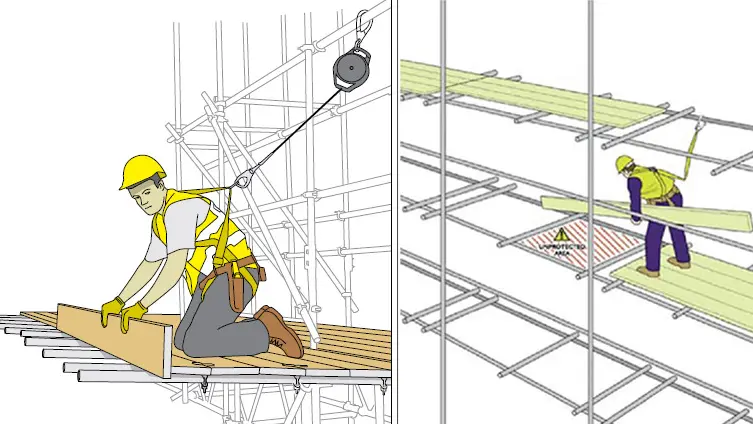
Key risks include unstable bases, overloading, adverse weather, and human error, which can lead to structural failures or falls from heights. To mitigate these, scaffolds should be erected on firm, level ground with adequate bracing and ties to the building. Regular inspections by competent persons are crucial, checking for loose parts, proper planking, and fall protection systems like harnesses and safety nets.
Effective safety protocols also include limiting access to authorized personnel, maintaining clear communication among the team, and using personal protective equipment (PPE) such as hard hats and non-slip footwear. By prioritizing regular maintenance, emergency planning, and a culture of vigilance, scaffolding operations can significantly reduce accidents and ensure a safer work environment for all involved.
Table of Contents
- Part 1: OnlineExamMaker – Generate and Share Scaffolding Safety Quiz with AI Automatically
- Part 2: 20 Scaffolding Safety Quiz Questions & Answers
- Part 3: AI Question Generator – Automatically Create Questions for Your Next Assessment
Part 1: OnlineExamMaker – Generate and Share Scaffolding Safety Quiz with AI Automatically
OnlineExamMaker is a powerful AI-powered assessment platform to create auto-grading Scaffolding Safety skills assessments. It’s designed for educators, trainers, businesses, and anyone looking to generate engaging quizzes without spending hours crafting questions manually. The AI Question Generator feature allows you to input a topic or specific details, and it generates a variety of question types automatically.
Top features for assessment organizers:
● Prevent cheating by randomizing questions or changing the order of questions, so learners don’t get the same set of questions each time.
● AI Exam Grader for efficiently grading quizzes and assignments, offering inline comments, automatic scoring, and “fudge points” for manual adjustments.
● Embed quizzes on websites, blogs, or share via email, social media (Facebook, Twitter), or direct links.
● Handles large-scale testing (thousands of exams/semester) without internet dependency, backed by cloud infrastructure.
Automatically generate questions using AI
Part 2: 20 Scaffolding Safety Quiz Questions & Answers
or
1. What is the primary purpose of a scaffold base plate?
A. To provide a platform for workers
B. To distribute the load and stabilize the scaffold
C. To attach guardrails
D. To store tools and materials
Answer: B
Explanation: Base plates help spread the weight of the scaffold evenly over the ground, preventing sinking or tipping and ensuring overall stability.
2. How often should a scaffold be inspected according to safety standards?
A. Once a week
B. Before each use and after any event that could affect its integrity
C. Only after assembly
D. Every month
Answer: B
Explanation: Regular inspections before use and after events like storms or modifications help identify hazards such as loose components or structural damage, reducing the risk of collapse.
3. What is the minimum height at which guardrails are required on a scaffold?
A. 4 feet
B. 6 feet
C. 10 feet
D. 15 feet
Answer: B
Explanation: Guardrails are typically required at 6 feet or more to prevent falls, as this height is considered a significant risk for serious injury in most safety regulations.
4. Which of the following is NOT a common cause of scaffold accidents?
A. Overloading the platform
B. Proper training of workers
C. Unstable ground
D. Poor weather conditions
Answer: B
Explanation: Proper training reduces accidents, whereas overloading, unstable ground, and poor weather are frequent causes, highlighting the importance of preparation and environmental awareness.
5. What should be done if a scaffold is found to be damaged during an inspection?
A. Continue using it with caution
B. Tag it out of service and repair it before use
C. Add extra supports immediately
D. Notify only the supervisor
Answer: B
Explanation: Tagging it out of service ensures it is not used until repaired, preventing potential collapses or injuries from weakened structures.
6. What is the maximum allowable gap between scaffold planks?
A. 1 inch
B. 6 inches
C. 12 inches
D. No gap is allowed
Answer: A
Explanation: A maximum gap of 1 inch prevents tools or workers from falling through, maintaining a safe and secure working surface.
7. Which personal protective equipment (PPE) is essential for workers on scaffolds?
A. Hard hat and safety harness
B. Gloves only
C. Safety glasses
D. All of the above
Answer: D
Explanation: Hard hats protect against falling objects, safety harnesses prevent falls, and safety glasses shield eyes, making a combination essential for comprehensive protection.
8. What is the safe way to access a scaffold?
A. Climbing the end frames
B. Using a designated ladder or stairway
C. Jumping from the ground
D. Using makeshift steps
Answer: B
Explanation: Designated ladders or stairways provide stable access, reducing the risk of slips, falls, or scaffold instability caused by improper climbing methods.
9. What should be the load capacity consideration for a scaffold?
A. It can be overloaded if the work is urgent
B. Always stay within the rated capacity
C. Increase capacity by adding more planks
D. Only check it once during assembly
Answer: B
Explanation: Staying within the rated capacity prevents overloading, which can lead to structural failure and accidents.
10. Why is cross bracing important on a scaffold?
A. To provide extra storage space
B. To enhance stability and prevent swaying
C. To block wind from entering
D. To attach banners
Answer: B
Explanation: Cross bracing adds rigidity to the structure, reducing the risk of collapse due to wind or movement.
11. What is the recommended action during high winds on a scaffold?
A. Continue working if the scaffold is secured
B. Evacuate and secure the area
C. Add more workers for stability
D. Ignore it if the wind is below 30 mph
Answer: B
Explanation: High winds can cause scaffolds to sway or collapse, so evacuating ensures worker safety until conditions improve.
12. How should electrical hazards be managed near scaffolds?
A. Work close to power lines for convenience
B. Maintain a safe distance and use insulated tools
C. Turn off power only if necessary
D. Use metal ladders near wires
Answer: B
Explanation: Maintaining a safe distance and using insulated tools prevents electrocution risks from accidental contact with live wires.
13. What must be used to protect against falling objects on a scaffold?
A. Toeboards and debris nets
B. Open edges without barriers
C. Only hard hats for workers below
D. Nothing, as it’s not a major risk
Answer: A
Explanation: Toeboards and debris nets contain tools and materials, preventing them from falling and injuring people below the scaffold.
14. Who is responsible for ensuring scaffold training for workers?
A. Only the site supervisor
B. Employers and competent persons
C. Workers themselves
D. No one, as it’s optional
Answer: B
Explanation: Employers and competent persons must provide training to ensure workers know how to safely erect, use, and dismantle scaffolds, reducing errors.
15. What type of scaffold is suitable for uneven ground?
A. Fixed supported scaffold
B. Adjustable base scaffold with leveling jacks
C. Suspended scaffold
D. Mobile scaffold without locks
Answer: B
Explanation: Adjustable bases allow for leveling on uneven surfaces, providing stability and preventing tipping.
16. Why should scaffolds be erected on firm, drained soil?
A. To make assembly easier
B. To prevent sinking or shifting under load
C. To allow for water drainage only
D. It’s not necessary if the scaffold is light
Answer: B
Explanation: Firm, drained soil supports the scaffold’s weight without shifting, avoiding instability that could lead to collapses.
17. What is the proper way to store materials on a scaffold?
A. Stack them as high as possible
B. Distribute evenly and within capacity limits
C. Pile them on one side for balance
D. Leave them unsecured
Answer: B
Explanation: Even distribution prevents uneven loading, which can cause the scaffold to tip or overload specific areas.
18. In an emergency, what should workers do on a scaffold?
A. Stay put until help arrives
B. Evacuate using the safest route immediately
C. Continue working
D. Wait for instructions only
Answer: B
Explanation: Quick evacuation using the safest route, such as ladders, minimizes risks from fires, collapses, or other hazards.
19. What signage is required near a scaffold under construction?
A. No signage needed
B. Warning signs for hazards like “Do Not Use”
C. Only capacity labels
D. Decorative signs
Answer: B
Explanation: Warning signs alert others to dangers, such as incomplete assembly, preventing unauthorized access and accidents.
20. What is the key difference between supported and suspended scaffolds?
A. Supported scaffolds rest on the ground
B. Suspended scaffolds are always safer
C. Supported scaffolds hang from above
D. There is no difference
Answer: A
Explanation: Supported scaffolds are built on the ground or a base, while suspended ones hang from overhead structures, each requiring specific safety measures for stability.
or
Part 3: AI Question Generator – Automatically Create Questions for Your Next Assessment
Automatically generate questions using AI