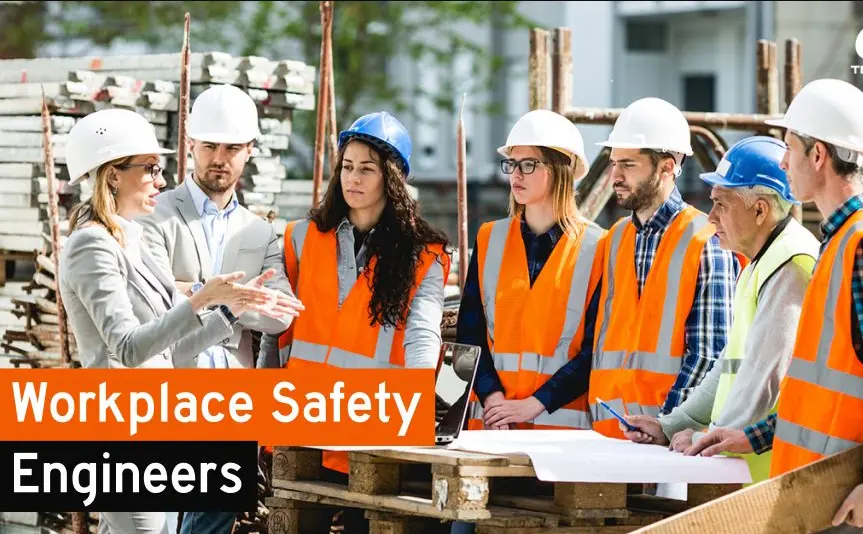
Safety Engineering is a multidisciplinary field within engineering that focuses on identifying, evaluating, and mitigating hazards to prevent accidents, injuries, and environmental damage. It applies principles from physics, chemistry, and human factors to design systems, processes, and products that prioritize safety in various industries, including manufacturing, aviation, construction, and healthcare. Professionals in this field conduct risk assessments, perform hazard analyses, and develop safety protocols to ensure compliance with regulations and standards, such as those from OSHA or ISO. By integrating safety into the design phase, Safety Engineering helps create reliable and resilient systems that protect workers, the public, and assets, ultimately fostering a culture of prevention and continuous improvement.
Table of Contents
- Part 1: Create An Amazing Safety Engineering Quiz Using AI Instantly in OnlineExamMaker
- Part 2: 20 Safety Engineering Quiz Questions & Answers
- Part 3: Automatically Generate Quiz Questions Using AI Question Generator
Part 1: Create An Amazing Safety Engineering Quiz Using AI Instantly in OnlineExamMaker
Nowadays more and more people create Safety Engineering quizzes using AI technologies, OnlineExamMaker a powerful AI-based quiz making tool that can save you time and efforts. The software makes it simple to design and launch interactive quizzes, assessments, and surveys. With the Question Editor, you can create multiple-choice, open-ended, matching, sequencing and many other types of questions for your tests, exams and inventories. You are allowed to enhance quizzes with multimedia elements like images, audio, and video to make them more interactive and visually appealing.
Recommended features for you:
● Prevent cheating by randomizing questions or changing the order of questions, so learners don’t get the same set of questions each time.
● Automatically generates detailed reports—individual scores, question report, and group performance.
● Simply copy a few lines of codes, and add them to a web page, you can present your online quiz in your website, blog, or landing page.
● Offers question analysis to evaluate question performance and reliability, helping instructors optimize their training plan.
Automatically generate questions using AI
Part 2: 20 Safety Engineering Quiz Questions & Answers
or
1. Question: What is the primary purpose of a Job Safety Analysis (JSA)?
A) To identify hazards associated with a specific job
B) To train employees on general safety procedures
C) To evaluate the cost of safety equipment
D) To design new machinery
Answer: A
Explanation: JSA is a systematic process to identify potential hazards in a job task, allowing for the development of controls to prevent accidents.
2. Question: In risk assessment, what does the acronym “HAZOP” stand for?
A) Hazard and Operability Study
B) Health Assessment Zone Operations
C) High Accident Zone Prevention
D) Hazard Analysis for Operations
Answer: A
Explanation: HAZOP is a structured and systematic technique for identifying potential hazards and operability problems in processes.
3. Question: Which organization is primarily responsible for enforcing workplace safety standards in the United States?
A) OSHA
B) EPA
C) FDA
D) NIOSH
Answer: A
Explanation: The Occupational Safety and Health Administration (OSHA) sets and enforces standards to ensure safe and healthful working conditions.
4. Question: What is the main function of a safety data sheet (SDS)?
A) To provide detailed information on the safe handling of hazardous chemicals
B) To outline employee training schedules
C) To record workplace incidents
D) To design emergency evacuation routes
Answer: A
Explanation: SDS contains information on the properties, hazards, and safe use of chemicals, as required by regulations like OSHA’s Hazard Communication Standard.
5. Question: Which type of guard is most effective for preventing access to moving parts on machinery?
A) Fixed guard
B) Interlocked guard
C) Adjustable guard
D) All of the above
Answer: D
Explanation: Fixed, interlocked, and adjustable guards all serve to prevent access, but their effectiveness depends on the application; using the appropriate one enhances overall machine safety.
6. Question: What is the first step in an emergency response plan?
A) Evacuation
B) Identification of the emergency
C) Notification of authorities
D) Medical aid
Answer: B
Explanation: Recognizing and identifying the emergency allows for the appropriate response to be initiated quickly and effectively.
7. Question: In fire safety, what does the acronym “PASS” stand for when using a fire extinguisher?
A) Pull, Aim, Squeeze, Sweep
B) Protect, Alert, Suppress, Secure
C) Prevent, Activate, Spray, Stop
D) Pull, Activate, Spray, Sweep
Answer: A
Explanation: PASS is a standard procedure for operating a fire extinguisher, ensuring it is used correctly to suppress small fires.
8. Question: Which electrical safety practice involves de-energizing equipment before maintenance?
A) Lockout/tagout
B) Ground fault circuit interrupter
C) Arc flash analysis
D) Insulation testing
Answer: A
Explanation: Lockout/tagout procedures prevent accidental startup of equipment, protecting workers from electrical hazards during maintenance.
9. Question: What is the primary hazard associated with handling flammable liquids?
A) Ignition and fire
B) Chemical burns
C) Slippery floors
D) Noise exposure
Answer: A
Explanation: Flammable liquids can easily ignite, leading to fires or explosions, making proper storage and handling crucial.
10. Question: In ergonomics, what is the goal of adjusting workstation height?
A) To reduce musculoskeletal disorders
B) To increase production speed
C) To minimize lighting needs
D) To enhance aesthetic appeal
Answer: A
Explanation: Proper workstation height adjustment prevents strain on the body, reducing risks of repetitive strain injuries and other ergonomic issues.
11. Question: What is the minimum height requirement for fall protection in construction under OSHA standards?
A) 6 feet
B) 4 feet
C) 10 feet
D) 8 feet
Answer: A
Explanation: OSHA requires fall protection at 6 feet or more to prevent falls that could result in serious injury or death.
12. Question: Which safety measure is used to prevent the unexpected energization of machinery?
A) Lockout/tagout
B) Personal protective equipment
C) Fire suppression systems
D) Ventilation controls
Answer: A
Explanation: Lockout/tagout ensures that energy sources are isolated, preventing accidental machine startup during servicing.
13. Question: What is the purpose of a safety audit?
A) To evaluate and improve safety programs and compliance
B) To hire new safety officers
C) To design new safety signage
D) To conduct employee surveys
Answer: A
Explanation: Safety audits systematically review processes and environments to identify weaknesses and ensure adherence to safety standards.
14. Question: In incident investigation, what is the “root cause”?
A) The underlying reason for an incident
B) The immediate action taken
C) The person responsible
D) The cost of damages
Answer: A
Explanation: Identifying the root cause helps prevent future incidents by addressing fundamental issues rather than just symptoms.
15. Question: Why is safety training important for employees?
A) To reduce workplace accidents through awareness and skills
B) To increase productivity levels
C) To comply with legal requirements
D) All of the above
Answer: D
Explanation: Safety training not only builds awareness and skills to prevent accidents but also ensures legal compliance and can indirectly boost productivity.
16. Question: What environmental safety concern is addressed by monitoring air quality?
A) Exposure to harmful pollutants
B) Noise levels
C) Temperature extremes
D) Lighting adequacy
Answer: A
Explanation: Air quality monitoring detects pollutants that could cause respiratory issues, ensuring a safer work environment.
17. Question: How do human factors influence safety engineering?
A) By considering how human behavior and capabilities affect system design
B) By focusing only on machine reliability
C) By ignoring ergonomic principles
D) By prioritizing cost over user interaction
Answer: A
Explanation: Human factors engineering integrates user capabilities and limitations into designs to minimize errors and enhance safety.
18. Question: In construction safety, what is the role of a safety harness?
A) To arrest falls and protect workers
B) To carry tools
C) To measure heights
D) To signal other workers
Answer: A
Explanation: A safety harness is part of a fall arrest system that stops a fall in progress, preventing injury from falls in elevated work areas.
19. Question: What is a key element of transportation safety for hazardous materials?
A) Proper labeling and placarding
B) Vehicle color selection
C) Driver entertainment systems
D) Road surface quality
Answer: A
Explanation: Labeling and placarding ensure that handlers and emergency responders are aware of the hazards, reducing risks during transport.
20. Question: In system safety engineering, what is the purpose of a fault tree analysis?
A) To identify potential failure paths leading to an undesired event
B) To design system aesthetics
C) To estimate maintenance costs
D) To schedule production
Answer: A
Explanation: Fault tree analysis is a deductive method that maps out how failures can lead to accidents, helping to mitigate risks in complex systems.
or
Part 3: Automatically generate quiz questions using OnlineExamMaker AI Question Generator
Automatically generate questions using AI