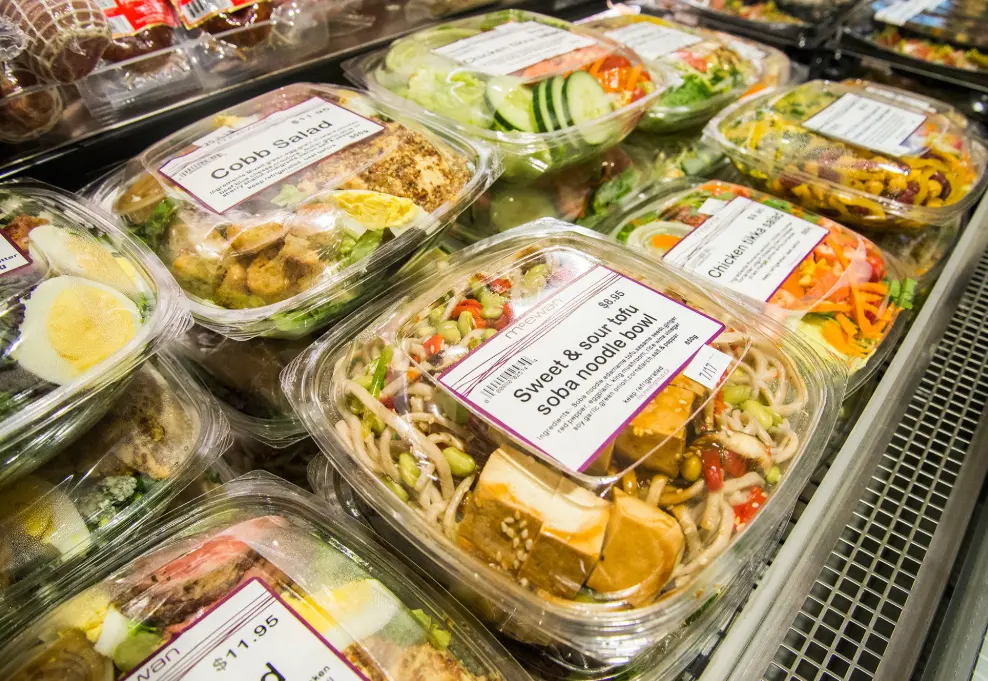
The Prepared Food Industry encompasses the production, processing, and distribution of ready-to-eat or ready-to-heat meals, snacks, and convenience foods, catering to consumers seeking quick and convenient eating options. This sector includes products like frozen dinners, pre-packaged salads, deli items, and meal kits, driven by busy lifestyles, urbanization, and the demand for convenience.
Globally, the industry has experienced robust growth, with the market valued at approximately $1.2 trillion in 2023 and projected to expand at a compound annual growth rate (CAGR) of 5-7% through 2030, according to reports from firms like MarketsandMarkets. Key regions include North America and Europe, where high consumer spending on processed foods prevails, while Asia-Pacific is emerging rapidly due to rising middle-class populations and e-commerce penetration.
Major players in the industry include multinational corporations such as Nestlé, Tyson Foods, and Kraft Heinz, alongside retailers like Walmart and Amazon that have integrated prepared foods into their supply chains. The sector is segmented into categories like refrigerated, frozen, and shelf-stable products, with frozen foods holding a significant share due to their longer shelf life and ease of storage.
Current trends shaping the industry include a shift toward health-conscious options, such as organic, plant-based, and low-sodium products, fueled by wellness awareness and regulatory pressures. Sustainability is another focus, with companies adopting eco-friendly packaging and reducing food waste. Technological advancements, like automated production lines and AI-driven supply chain management, are enhancing efficiency and personalization, such as through customized meal kits.
Challenges include stringent food safety regulations, fluctuating raw material costs, and competition from home cooking trends amplified by social media. Additionally, supply chain disruptions, as seen during the COVID-19 pandemic, have highlighted vulnerabilities in global logistics.
Looking ahead, the industry is poised for innovation, with opportunities in plant-based alternatives, functional foods (e.g., those with added health benefits), and digital platforms for direct-to-consumer sales. As consumer preferences evolve toward healthier and more sustainable choices, companies that prioritize quality, transparency, and adaptability will likely lead the market.
Table of Contents
- Part 1: OnlineExamMaker – Generate and Share Prepared Food Industry Quiz with AI Automatically
- Part 2: 20 Prepared Food Industry Quiz Questions & Answers
- Part 3: AI Question Generator – Automatically Create Questions for Your Next Assessment
Part 1: OnlineExamMaker – Generate and Share Prepared Food Industry Quiz with AI Automatically
The quickest way to assess the Prepared Food Industry knowledge of candidates is using an AI assessment platform like OnlineExamMaker. With OnlineExamMaker AI Question Generator, you are able to input content—like text, documents, or topics—and then automatically generate questions in various formats (multiple-choice, true/false, short answer). Its AI Exam Grader can automatically grade the exam and generate insightful reports after your candidate submit the assessment.
What you will like:
● Create a question pool through the question bank and specify how many questions you want to be randomly selected among these questions.
● Allow the quiz taker to answer by uploading video or a Word document, adding an image, and recording an audio file.
● Display the feedback for correct or incorrect answers instantly after a question is answered.
● Create a lead generation form to collect an exam taker’s information, such as email, mobile phone, work title, company profile and so on.
Automatically generate questions using AI
Part 2: 20 Prepared Food Industry Quiz Questions & Answers
or
1. What is the primary purpose of Hazard Analysis and Critical Control Points (HACCP) in the prepared food industry?
A) To maximize production speed
B) To identify and prevent food safety hazards
C) To reduce labor costs
D) To enhance product flavor
Answer: B
Explanation: HACCP is a systematic approach designed to prevent biological, chemical, and physical hazards in food production by identifying critical points where contamination can occur and implementing controls.
2. Which regulatory agency in the United States is primarily responsible for overseeing the safety of prepared foods?
A) EPA
B) FDA
C) USDA
D) FTC
Answer: B
Explanation: The FDA regulates the safety, labeling, and packaging of most prepared foods, ensuring they meet federal standards for public health.
3. What does the term “thermal processing” refer to in prepared food manufacturing?
A) Freezing food items
B) Heating food to destroy pathogens
C) Drying food under vacuum
D) Fermenting food for preservation
Answer: B
Explanation: Thermal processing involves applying heat to food to eliminate microorganisms, extending shelf life and ensuring safety in products like canned soups.
4. Why is proper packaging important in the prepared food industry?
A) To reduce transportation costs
B) To protect food from contamination and maintain quality
C) To make products more visually appealing
D) To standardize portion sizes
Answer: B
Explanation: Packaging acts as a barrier against physical, chemical, and biological contaminants, preserving the food’s integrity from production to consumption.
5. What is a common risk associated with ready-to-eat prepared foods?
A) Overcooking during production
B) Cross-contamination from handling
C) Excessive nutritional fortification
D) High energy consumption in manufacturing
Answer: B
Explanation: Ready-to-eat foods are vulnerable to cross-contamination if proper hygiene practices are not followed, potentially leading to foodborne illnesses.
6. In prepared food production, what role does Good Manufacturing Practices (GMP) play?
A) It focuses on marketing strategies
B) It ensures facilities are clean and workers are trained
C) It regulates pricing of products
D) It handles waste management only
Answer: B
Explanation: GMP guidelines establish minimum requirements for the methods, facilities, and controls used in production to ensure product safety and quality.
7. Which preservation method is most commonly used for extending the shelf life of prepared sauces?
A) Smoking
B) Pasteurization
C) Salting
D) Irradiation
Answer: B
Explanation: Pasteurization heats the product to kill harmful bacteria while maintaining flavor and nutritional value, making it ideal for sauces and similar items.
8. What is the main benefit of using modified atmosphere packaging (MAP) in prepared foods?
A) It reduces the weight of the product
B) It slows down spoilage by altering the gas environment
C) It enhances the color of the food
D) It eliminates the need for refrigeration
Answer: B
Explanation: MAP replaces the air in packaging with a specific gas mixture to inhibit bacterial growth, thereby extending the freshness of prepared foods like salads.
9. How does the prepared food industry address allergen management?
A) By ignoring common allergens in recipes
B) By labeling products with potential allergens
C) By using the same equipment for all products
D) By increasing production speed
Answer: B
Explanation: Proper allergen management involves clear labeling to inform consumers of potential risks, helping prevent allergic reactions through transparency.
10. What is a key factor in the global supply chain for prepared foods?
A) Local sourcing only
B) Efficient transportation and temperature control
C) Eliminating international trade
D) Manual handling of all shipments
Answer: B
Explanation: Maintaining the cold chain through efficient transportation ensures that prepared foods remain safe and of high quality during distribution.
11. Which trend is driving innovation in the prepared food industry?
A) Increased use of artificial preservatives
B) Demand for clean-label products
C) Higher sugar content in meals
D) Reduced nutritional labeling
Answer: B
Explanation: Consumers are seeking clean-label products with natural ingredients and minimal processing, prompting the industry to innovate in formulation and transparency.
12. What causes a food recall in the prepared food sector?
A) Changes in packaging design
B) Detection of contaminants like pathogens
C) Seasonal fluctuations in demand
D) Product overstocking
Answer: B
Explanation: Food recalls are typically initiated due to contamination risks, such as bacterial presence, to protect public health and comply with regulations.
13. In prepared food processing, what is the purpose of quality assurance programs?
A) To cut down on employee training
B) To monitor and maintain consistent product standards
C) To focus solely on cost reduction
D) To limit product variety
Answer: B
Explanation: Quality assurance programs use testing and inspections to ensure that prepared foods meet safety, taste, and regulatory standards consistently.
14. How does high-pressure processing (HPP) benefit prepared foods?
A) It adds artificial flavors
B) It extends shelf life without heat, preserving nutrients
C) It increases the product’s acidity
D) It reduces packaging costs
Answer: B
Explanation: HPP uses pressure to inactivate pathogens and enzymes, allowing prepared foods to retain their fresh taste and nutritional value longer.
15. What is the impact of globalization on the prepared food industry?
A) It limits access to new markets
B) It introduces diverse ingredients and consumer preferences
C) It standardizes all recipes worldwide
D) It eliminates competition
Answer: B
Explanation: Globalization exposes the industry to a variety of cultural ingredients and tastes, encouraging the development of multicultural prepared food options.
16. Why is traceability important in prepared food production?
A) To track sales data only
B) To quickly identify and remove contaminated products
C) To reduce advertising efforts
D) To simplify inventory management
Answer: B
Explanation: Traceability systems allow for rapid source identification of issues, such as contamination, enabling effective recalls and maintaining consumer trust.
17. What does “farm-to-fork” mean in the context of prepared foods?
A) Direct delivery from farms to consumers
B) The entire process from production to consumption
C) Only organic farming methods
D) Exclusively plant-based ingredients
Answer: B
Explanation: Farm-to-fork encompasses the full supply chain, emphasizing safety and quality from raw material sourcing through to the final prepared product.
18. How do prepared food companies ensure nutritional accuracy?
A) By estimating values without testing
B) Through laboratory analysis and labeling compliance
C) By relying on supplier claims
D) By minimizing ingredient lists
Answer: B
Explanation: Nutritional accuracy is achieved via scientific testing and adherence to labeling regulations, providing reliable information to consumers.
19. What is a challenge associated with plant-based prepared foods?
A) Overabundance of animal products
B) Maintaining texture and flavor without meat
C) Excessive use of water in production
D) High demand for processed sugars
Answer: B
Explanation: Developing plant-based options requires innovation to mimic the taste and mouthfeel of traditional meats, addressing consumer expectations.
20. In the prepared food industry, what is the role of sensory evaluation?
A) To assess visual packaging appeal
B) To evaluate taste, texture, and aroma of products
C) To measure production efficiency
D) To handle employee feedback
Answer: B
Explanation: Sensory evaluation involves human panels testing attributes like flavor and consistency to ensure the product meets quality and consumer standards.
or
Part 3: AI Question Generator – Automatically Create Questions for Your Next Assessment
Automatically generate questions using AI