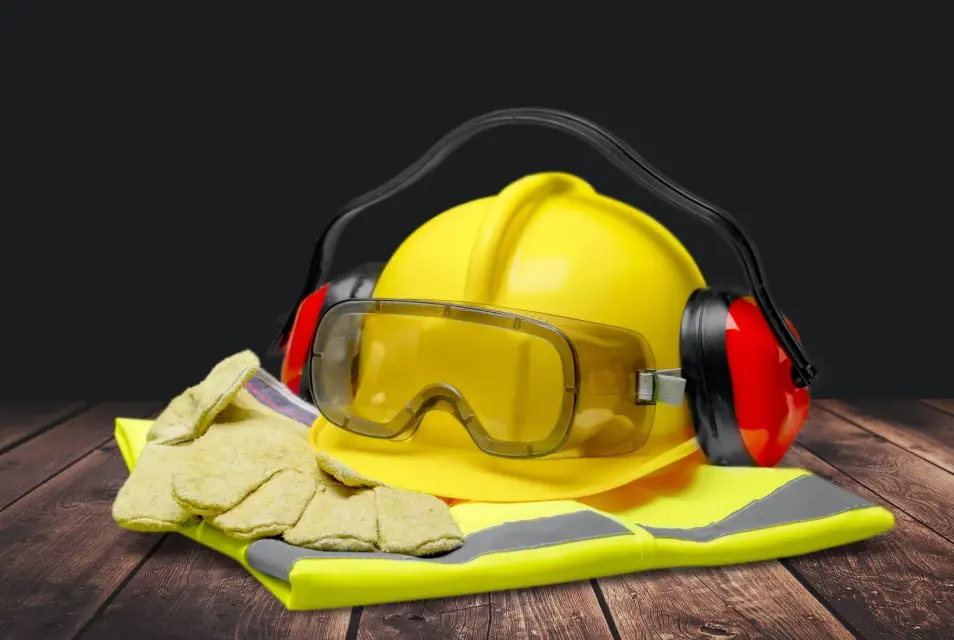
Personal Protective Equipment (PPE) encompasses a range of specialized gear designed to shield individuals from workplace hazards, including physical, chemical, biological, and environmental risks. This essential safety gear includes items such as helmets for head protection, gloves for hand safety, goggles or masks for eye and respiratory defense, and protective clothing like suits or vests to guard against cuts, burns, or contamination. PPE is widely used in industries such as construction, healthcare, manufacturing, and laboratories, ensuring workers can perform tasks safely and reduce the likelihood of injuries or illnesses. By adhering to proper selection, fitting, and maintenance guidelines, PPE serves as a critical barrier between the user and potential dangers, promoting a culture of safety and compliance with regulatory standards.
Table of Contents
- Part 1: OnlineExamMaker – Generate and Share Personal Protective Quiz with AI Automatically
- Part 2: 20 Personal Protective Quiz Questions & Answers
- Part 3: Save Time and Energy: Generate Quiz Questions with AI Technology
Part 1: OnlineExamMaker – Generate and Share Personal Protective Quiz with AI Automatically
The quickest way to assess the Personal Protective knowledge of candidates is using an AI assessment platform like OnlineExamMaker. With OnlineExamMaker AI Question Generator, you are able to input content—like text, documents, or topics—and then automatically generate questions in various formats (multiple-choice, true/false, short answer). Its AI Exam Grader can automatically grade the exam and generate insightful reports after your candidate submit the assessment.
What you will like:
● Create a question pool through the question bank and specify how many questions you want to be randomly selected among these questions.
● Allow the quiz taker to answer by uploading video or a Word document, adding an image, and recording an audio file.
● Display the feedback for correct or incorrect answers instantly after a question is answered.
● Create a lead generation form to collect an exam taker’s information, such as email, mobile phone, work title, company profile and so on.
Automatically generate questions using AI
Part 2: 20 Personal Protective Quiz Questions & Answers
or
1. Question: What is the primary purpose of wearing safety goggles?
A. To protect the eyes from flying particles and chemicals
B. To enhance visibility in bright sunlight
C. To protect the ears from loud noises
D. To keep hands clean during work
Answer: A
Explanation: Safety goggles are specifically designed to shield the eyes from potential hazards like dust, liquids, and airborne particles, preventing injuries in various work environments.
2. Question: Which type of glove is most appropriate for handling chemicals?
A. Leather gloves
B. Nitrile gloves
C. Cotton gloves
D. Fabric gloves
Answer: B
Explanation: Nitrile gloves provide excellent resistance to a wide range of chemicals, oils, and solvents, making them suitable for tasks involving hazardous substances.
3. Question: What does PPE stand for in the context of workplace safety?
A. Personal Protection Equipment
B. Personal Protective Equipment
C. Professional Protection Ensemble
D. Public Protection Essentials
Answer: B
Explanation: PPE refers to Personal Protective Equipment, which includes items worn to minimize exposure to hazards that could cause serious workplace injuries or illnesses.
4. Question: When should a hard hat be worn on a construction site?
A. Only during rainy weather
B. Whenever there is a risk of falling objects or head impacts
C. Just for outdoor activities
D. Only if the worker feels it is necessary
Answer: B
Explanation: Hard hats are essential in environments with overhead hazards, such as falling tools or materials, to protect the head from potential injuries.
5. Question: Which PPE is used to protect the respiratory system from airborne contaminants?
A. Safety glasses
B. Respirators or masks
C. Earplugs
D. Steel-toed boots
Answer: B
Explanation: Respirators or masks filter out harmful particles, gases, or vapors, ensuring that workers can breathe safely in polluted or contaminated air.
6. Question: What is the main function of safety shoes in a factory setting?
A. To provide comfort for long walks
B. To protect feet from punctures, impacts, and electrical hazards
C. To keep feet warm in cold environments
D. To improve balance on slippery floors
Answer: B
Explanation: Safety shoes, often with reinforced toes and soles, guard against foot injuries from heavy objects, sharp materials, and electrical risks.
7. Question: Why is it important to inspect PPE before use?
A. To ensure it matches the worker’s clothing
B. To check for damage that could reduce its effectiveness
C. To see if it is the latest style
D. To confirm it is lightweight
Answer: B
Explanation: Inspecting PPE helps identify wear, tears, or defects that might compromise its protective capabilities, ensuring user safety.
8. Question: Which PPE is recommended for protection against loud noises in a manufacturing plant?
A. Gloves
B. Earplugs or earmuffs
C. Helmets
D. Goggles
Answer: B
Explanation: Earplugs or earmuffs reduce exposure to high decibel levels, preventing hearing damage from prolonged noise in industrial settings.
9. Question: What should be done with contaminated PPE after use?
A. Reuse it immediately
B. Dispose of it properly or clean it according to guidelines
C. Store it in a personal locker
D. Share it with colleagues
Answer: B
Explanation: Contaminated PPE must be disposed of or decontaminated to prevent the spread of hazards, maintaining a safe work environment.
10. Question: Which material is commonly used for face shields to protect against splashes?
A. Paper
B. Polycarbonate
C. Cloth
D. Metal
Answer: B
Explanation: Polycarbonate is a durable, transparent material that provides effective protection against chemical splashes, impacts, and flying debris.
11. Question: In a laboratory, what PPE is essential when handling biohazards?
A. Regular clothing
B. Lab coats, gloves, and masks
C. Sunglasses
D. Bare hands
Answer: B
Explanation: Lab coats, gloves, and masks act as barriers against biohazards, reducing the risk of exposure to infectious materials.
12. Question: Why must PPE be worn correctly?
A. For aesthetic reasons
B. To ensure maximum protection and avoid improper fit issues
C. To make the worker look professional
D. To save time
Answer: B
Explanation: Proper fitting and wearing of PPE ensure it functions as intended, preventing accidents caused by loose or ill-fitting equipment.
13. Question: Which PPE is used to protect against electrical shocks?
A. Rubber gloves and insulated footwear
B. Cotton gloves
C. Plastic helmets
D. Metal shields
Answer: A
Explanation: Rubber gloves and insulated footwear provide insulation against electrical currents, safeguarding workers from shocks in electrical environments.
14. Question: What is the role of a full-body harness in high-altitude work?
A. To provide warmth
B. To prevent falls by securing the worker
C. To carry tools
D. To improve speed
Answer: B
Explanation: A full-body harness distributes fall forces evenly and arrests falls, protecting workers from injuries at heights.
15. Question: When working with welding equipment, which PPE is mandatory?
A. Welding helmet and fire-resistant clothing
B. Regular glasses
C. Open shoes
D. No specific gear
Answer: A
Explanation: A welding helmet protects the face and eyes from intense light and sparks, while fire-resistant clothing shields against burns and heat.
16. Question: How often should PPE be replaced?
A. Only when it looks dirty
B. According to the manufacturer’s guidelines or when it shows signs of wear
C. Every year regardless of condition
D. Never, as it is reusable
Answer: B
Explanation: Following manufacturer guidelines ensures PPE remains effective, as overuse or damage can reduce its protective qualities.
17. Question: Which PPE helps protect against slips, trips, and falls?
A. High-visibility vests
B. Anti-slip footwear
C. Hand gloves
D. Eye protection
Answer: B
Explanation: Anti-slip footwear provides better traction on wet or uneven surfaces, reducing the risk of falls in hazardous areas.
18. Question: In healthcare settings, what PPE is used when dealing with patients who have infectious diseases?
A. Surgical masks, gowns, and gloves
B. Casual wear
C. Ear protection
D. Helmets
Answer: A
Explanation: Surgical masks, gowns, and gloves create a barrier against pathogens, minimizing the transmission of infections to healthcare workers.
19. Question: Why is training necessary for using PPE effectively?
A. To make the process fun
B. To ensure proper usage, maintenance, and understanding of limitations
C. To pass time
D. To avoid wearing it
Answer: B
Explanation: Training helps users understand how to wear, maintain, and select the right PPE, maximizing its protective benefits.
20. Question: What should workers do if PPE feels uncomfortable?
A. Ignore it and continue working
B. Report it and seek a better-fitting alternative
C. Remove it entirely
D. Use it anyway
Answer: B
Explanation: Reporting discomfort ensures that PPE is adjusted or replaced, maintaining both safety and compliance without compromising protection.
or
Part 3: Save Time and Energy: Generate Quiz Questions with AI Technology
Automatically generate questions using AI