Perfumes are aromatic compositions designed to provide a lasting and pleasing scent, enhancing personal grooming and emotional well-being. Originating from ancient civilizations like Egypt and Mesopotamia, where they were used in rituals and daily life, perfumes have evolved into a global industry blending art and science.
Key Components and Types:
– Ingredients: Perfumes consist of essential oils, aroma compounds, fixatives, and solvents. These can be derived from natural sources (e.g., flowers, spices) or synthesized in labs.
– Types Based on Concentration:
– Eau de Cologne: Lightest, with 2-4% fragrance oils, ideal for everyday use.
– Eau de Toilette: Moderate, 5-15% oils, offering balanced longevity.
– Eau de Parfum: Richer, 15-20% oils, for longer wear.
– Parfum (Extrait): Most concentrated, 20-30% oils, providing intense scent.
– Fragrance Families: Perfumes are categorized into notes like floral (e.g., rose, jasmine), oriental (e.g., spices, musk), woody (e.g., sandalwood, cedar), and fresh (e.g., citrus, aquatic).
Production Process:
– Extraction: Involves methods like distillation, solvent extraction, or enfleurage to obtain essences.
– Blending: Perfumers, or “noses,” create accords by layering top notes (initial scent), middle notes (heart), and base notes (lasting foundation).
– Aging and Testing: Mixtures age for stability, then undergo safety and sensory testing.
Cultural and Market Impact:
– Perfumes symbolize luxury, identity, and emotion, with brands like Chanel, Dior, and Tom Ford dominating. The industry generates billions annually, driven by innovation in sustainable and gender-neutral options.
– Beyond personal use, perfumes appear in cosmetics, home products, and aromatherapy for relaxation and mood enhancement.
In essence, perfumes blend history, creativity, and chemistry to evoke memories and express individuality in a bottle.
Table of Contents
- Part 1: OnlineExamMaker – Generate and Share Perfumes Quiz with AI Automatically
- Part 2: 20 Perfumes Quiz Questions & Answers
- Part 3: OnlineExamMaker AI Question Generator: Generate Questions for Any Topic
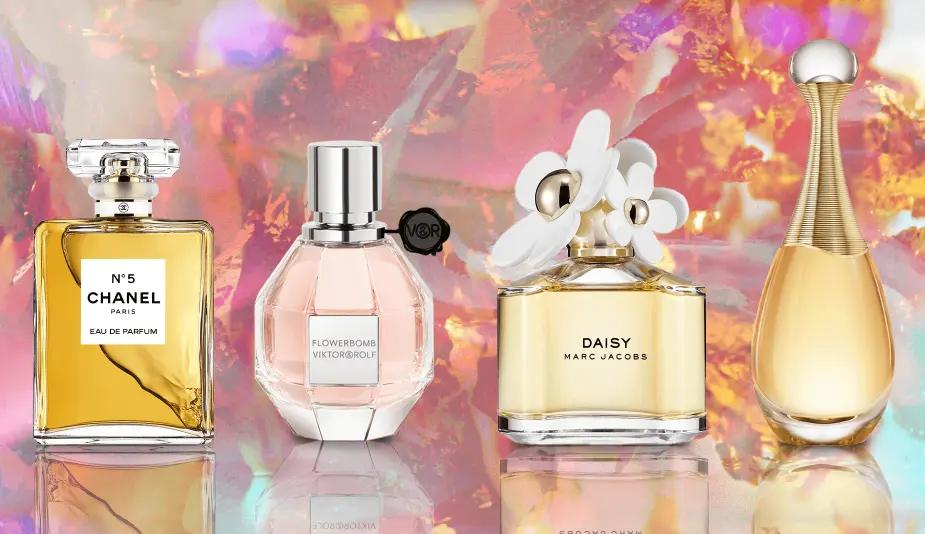
Part 1: OnlineExamMaker – Generate and Share Perfumes Quiz with AI Automatically
OnlineExamMaker is a powerful AI-powered assessment platform to create auto-grading Perfumes skills assessments. It’s designed for educators, trainers, businesses, and anyone looking to generate engaging quizzes without spending hours crafting questions manually. The AI Question Generator feature allows you to input a topic or specific details, and it generates a variety of question types automatically.
Top features for assessment organizers:
● Prevent cheating by randomizing questions or changing the order of questions, so learners don’t get the same set of questions each time.
● AI Exam Grader for efficiently grading quizzes and assignments, offering inline comments, automatic scoring, and “fudge points” for manual adjustments.
● Embed quizzes on websites, blogs, or share via email, social media (Facebook, Twitter), or direct links.
● Handles large-scale testing (thousands of exams/semester) without internet dependency, backed by cloud infrastructure.
Automatically generate questions using AI
Part 2: 20 Perfumes Quiz Questions & Answers
or
1. Question: What is the primary function of top notes in a perfume?
A) To provide the base scent that lasts for hours
B) To create the initial aroma that evaporates quickly
C) To develop the heart of the fragrance after 10-15 minutes
D) To act as a fixative for longevity
Answer: B
Explanation: Top notes are the first scents detected, composed of light, volatile ingredients like citrus or herbs that evaporate quickly to set the overall impression.
2. Question: Which fragrance family is characterized by fresh, clean scents like ocean breezes or laundry?
A) Oriental
B) Woody
C) Aquatic
D) Floral
Answer: C
Explanation: Aquatic fragrances mimic water elements, using notes like sea salt or marine algae to evoke freshness and cleanliness.
3. Question: Who is often credited as the inventor of modern perfumery?
A) Coco Chanel
B) René Lalique
C) Jean-Baptiste Grenouille
D) René-Maria Gattefossé
Answer: D
Explanation: René-Maria Gattefossé advanced perfumery through his work on essential oils and aromatherapy, though he’s less known than others; his contributions helped shape modern practices.
4. Question: What ingredient is commonly used as a fixative in perfumes to help scents last longer?
A) Ethanol
B) Musk
C) Bergamot
D) Lavender
Answer: B
Explanation: Musk acts as a fixative by slowing the evaporation of other notes, providing depth and longevity to the fragrance.
5. Question: Which of the following is a unisex perfume note?
A) Rose
B) Sandalwood
C) Vanilla
D) All of the above
Answer: D
Explanation: Notes like rose, sandalwood, and vanilla can be used in unisex perfumes, as they are versatile and not strictly gendered.
6. Question: What does “Eau de Parfum” typically contain in terms of fragrance oil concentration?
A) 1-3%
B) 5-15%
C) 15-20%
D) 20-30%
Answer: C
Explanation: Eau de Parfum usually has 15-20% fragrance oil, making it more concentrated and longer-lasting than Eau de Toilette.
7. Question: In perfumery, what is a “heart note”?
A) The final scent that emerges after hours
B) The middle layer that appears once top notes fade
C) The initial burst of fragrance
D) A synthetic additive for stability
Answer: B
Explanation: Heart notes form the core of the perfume, emerging after top notes dissipate and lasting for several hours, often including floral or spicy elements.
8. Question: Which ancient civilization is known for using perfumes in religious rituals?
A) The Romans
B) The Egyptians
C) The Greeks
D) The Mesopotamians
Answer: B
Explanation: Ancient Egyptians used perfumes in mummification, religious ceremonies, and daily life, often made from resins, oils, and flowers.
9. Question: What is the main difference between cologne and perfume?
A) Cologne is only for men
B) Perfume has a higher concentration of fragrance oils
C) Cologne lasts longer
D) They are the same thing
Answer: B
Explanation: Perfume typically has a higher concentration of essential oils (20-30%) compared to cologne (3-5%), making it more intense and enduring.
10. Question: Which note family includes scents like cedar and patchouli?
A) Citrus
B) Woody
C) Fresh
D) Gourmand
Answer: B
Explanation: Woody notes derive from tree-derived ingredients like cedar and patchouli, providing earthy, warm, and grounding scents.
11. Question: What role do synthetic ingredients play in modern perfumes?
A) They are banned for use
B) They replicate natural scents at a lower cost
C) They only add color
D) They shorten the shelf life
Answer: B
Explanation: Synthetic ingredients allow perfumers to mimic rare natural scents affordably and consistently, expanding creative possibilities.
12. Question: Which famous perfume was launched by Chanel in 1921?
A) J’Adore
B) Chanel No. 5
C) Opium
D) Shalimar
Answer: B
Explanation: Chanel No. 5, created by Ernest Beaux, revolutionized perfumery with its blend of aldehydes and floral notes, becoming an iconic fragrance.
13. Question: How should perfumes be stored to maintain their quality?
A) In direct sunlight
B) In a cool, dark place
C) In the refrigerator
D) Near heat sources
Answer: B
Explanation: Storing perfumes in a cool, dark place prevents oxidation and evaporation, preserving the scent’s integrity over time.
14. Question: What is the purpose of a perfume’s base notes?
A) To provide an immediate scent
B) To linger as the longest-lasting element
C) To transition between top and heart notes
D) To add artificial colors
Answer: B
Explanation: Base notes, such as vanilla or amber, are heavy and evaporate slowly, forming the foundation and ensuring the fragrance endures.
15. Question: Which ingredient is derived from flowers and often used in feminine perfumes?
A) Oud
B) Jasmine
C) Leather
D) Tobacco
Answer: B
Explanation: Jasmine is a popular floral note in perfumes, valued for its sweet, exotic aroma that evokes romance and femininity.
16. Question: What does “olfactory pyramid” refer to in perfumery?
A) The shape of the bottle
B) The layered structure of scents (top, heart, base)
C) The price structure of perfumes
D) The marketing strategy
Answer: B
Explanation: The olfactory pyramid describes the hierarchical arrangement of notes, with top notes at the base, leading to heart and base for a complete fragrance profile.
17. Question: Which country is renowned as a global leader in perfume production?
A) Italy
B) France
C) United States
D) Japan
Answer: B
Explanation: France, particularly Grasse, is the heart of the perfume industry, known for its expertise in extraction, blending, and innovation.
18. Question: What effect does alcohol have in a perfume formula?
A) It adds sweetness
B) It dilutes and helps disperse the fragrance
C) It creates the color
D) It shortens the scent’s life
Answer: B
Explanation: Alcohol serves as a carrier in perfumes, allowing the essential oils to evaporate evenly and spread the scent effectively on the skin.
19. Question: Which type of perfume is best for everyday wear due to its subtlety?
A) Eau de Toilette
B) Parfum
C) Eau de Cologne
D) Solid Perfume
Answer: C
Explanation: Eau de Cologne has a lower concentration (2-4%), making it lighter and more suitable for daily use without overwhelming the senses.
20. Question: What is the key characteristic of oriental fragrances?
A) Fresh and green
B) Warm, spicy, and exotic
C) Citrusy and zesty
D) Herbal and earthy
Answer: B
Explanation: Oriental fragrances feature rich, warm notes like spices, resins, and amber, creating a sensual and mysterious allure.
or
Part 3: OnlineExamMaker AI Question Generator: Generate Questions for Any Topic
Automatically generate questions using AI