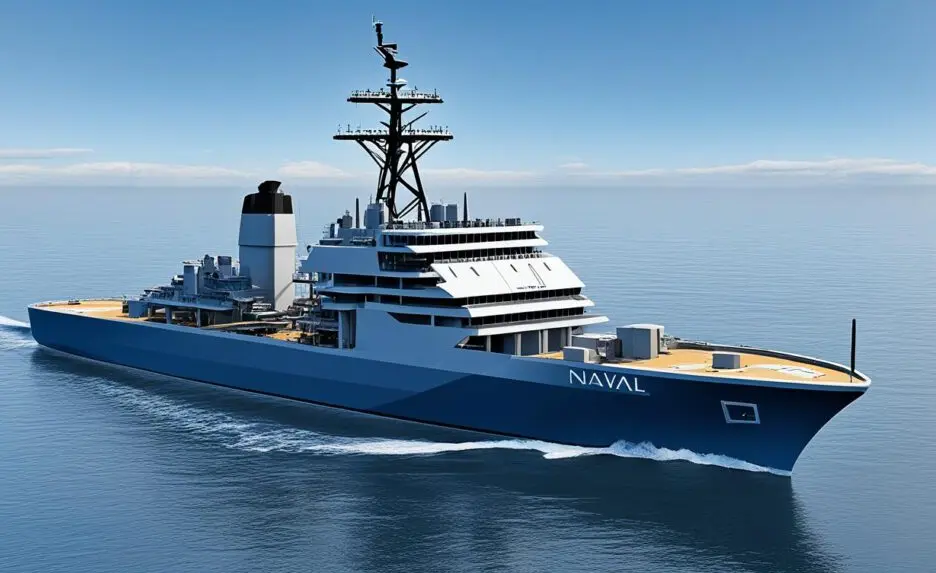
Naval Architecture is the specialized field of engineering dedicated to the design, construction, and maintenance of ships, boats, and other marine vessels. It combines principles of hydrodynamics, structural mechanics, and materials science to ensure vessels are safe, efficient, and capable of withstanding harsh ocean environments. From conceptualizing hull shapes for optimal speed and stability to integrating propulsion systems and adhering to international regulations, naval architects play a crucial role in advancing maritime technology, including everything from cargo ships and submarines to offshore platforms and yachts. This discipline also addresses environmental concerns, such as reducing fuel consumption and minimizing pollution, while innovating for future challenges like autonomous seafaring.
Table of Contents
- Part 1: OnlineExamMaker AI Quiz Maker – Make A Free Quiz in Minutes
- Part 2: 20 Naval Architecture Quiz Questions & Answers
- Part 3: Automatically Generate Quiz Questions Using AI Question Generator
Part 1: OnlineExamMaker AI Quiz Maker – Make A Free Quiz in Minutes
What’s the best way to create a Naval Architecture quiz online? OnlineExamMaker is the best AI quiz making software for you. No coding, and no design skills required. If you don’t have the time to create your online quiz from scratch, you are able to use OnlineExamMaker AI Question Generator to create question automatically, then add them into your online assessment. What is more, the platform leverages AI proctoring and AI grading features to streamline the process while ensuring exam integrity.
Key features of OnlineExamMaker:
● Create up to 10 question types, including multiple-choice, true/false, fill-in-the-blank, matching, short answer, and essay questions.
● Build and store questions in a centralized portal, tagged by categories and keywords for easy reuse and organization.
● Automatically scores multiple-choice, true/false, and even open-ended/audio responses using AI, reducing manual work.
● Create certificates with personalized company logo, certificate title, description, date, candidate’s name, marks and signature.
Automatically generate questions using AI
Part 2: 20 Naval Architecture Quiz Questions & Answers
or
1. What is the primary purpose of a bulbous bow on a ship?
A. To increase the ship’s length
B. To reduce wave-making resistance
C. To improve cargo storage
D. To enhance engine power
Answer: B
Explanation: A bulbous bow modifies the flow of water around the hull, creating a wave that cancels out the bow wave, thereby reducing drag and improving fuel efficiency.
2. Which factor primarily determines a ship’s stability?
A. The weight of the cargo
B. The metacentric height
C. The length of the ship
D. The color of the hull
Answer: B
Explanation: Metacentric height measures the distance between the center of gravity and the metacenter, indicating the ship’s initial stability; a higher value means greater stability.
3. What does the term “deadweight” refer to in naval architecture?
A. The total weight of the ship structure
B. The difference between lightship weight and displacement
C. The carrying capacity including fuel, cargo, and crew
D. The weight of the propulsion system
Answer: C
Explanation: Deadweight is the total weight of cargo, fuel, crew, and supplies that a ship can carry, which is crucial for determining its operational capacity.
4. In ship hydrodynamics, what is “skin friction”?
A. Resistance caused by waves
B. Friction between the hull and water due to viscosity
C. Pressure differences along the hull
D. Air resistance on the deck
Answer: B
Explanation: Skin friction arises from the viscous drag of water flowing over the hull surface, accounting for a significant portion of a ship’s total resistance.
5. What is the function of a bilge keel on a ship?
A. To provide additional storage space
B. To reduce rolling motion and improve stability
C. To increase speed in calm waters
D. To support the ship’s weight in dry dock
Answer: B
Explanation: Bilge keels are fins attached to the hull that dampen rolling by creating resistance in the water, enhancing the ship’s seakeeping ability.
6. Which material is most commonly used for modern ship hulls due to its strength and corrosion resistance?
A. Wood
B. Steel
C. Aluminum
D. Fiberglass
Answer: B
Explanation: Steel provides high strength, durability, and cost-effectiveness for large hull structures, while also being weldable and resistant to marine environments.
7. What is the purpose of the International Maritime Organization (IMO) in naval architecture?
A. To design ship engines
B. To set global standards for ship safety and environmental protection
C. To build ships
D. To train naval architects
Answer: B
Explanation: The IMO establishes international regulations that influence ship design, ensuring compliance with safety, pollution prevention, and operational standards.
8. How does a ship’s block coefficient affect its design?
A. It determines the engine size
B. It indicates the fullness of the hull shape, affecting speed and capacity
C. It measures the deck area
D. It calculates the fuel efficiency
Answer: B
Explanation: The block coefficient (Cb) is the ratio of the underwater volume to a rectangular block of the same length, beam, and draft, helping to classify ships as full-formed or fine-lined.
9. What is “trim” in the context of a ship?
A. The painting of the hull
B. The difference in draft between the bow and stern
C. The total length of the ship
D. The height of the mast
Answer: B
Explanation: Trim is the fore-and-aft balance of the ship, which affects stability and performance; improper trim can lead to inefficient operation or safety issues.
10. Which type of propulsion system is most efficient for large cargo ships?
A. Sail
B. Paddle wheel
C. Diesel engine with propeller
D. Jet propulsion
Answer: C
Explanation: Diesel engines coupled with propellers offer high efficiency, reliability, and power for long-distance voyages, making them ideal for cargo ships.
11. What role does the rudder play in ship maneuverability?
A. It propels the ship forward
B. It controls the direction by deflecting water flow
C. It stabilizes the ship in waves
D. It reduces drag
Answer: B
Explanation: The rudder alters the ship’s course by creating a lateral force that turns the stern, allowing for steering and precise control during navigation.
12. Why is ballast water management important in naval architecture?
A. To add weight for stability
B. To prevent the spread of invasive species
C. To increase speed
D. To clean the hull
Answer: B
Explanation: Ballast water can carry organisms from one port to another; proper management systems treat this water to minimize ecological damage as required by international regulations.
13. What is the significance of the “lines plan” in ship design?
A. It shows the electrical wiring
B. It illustrates the hull’s shape through body plan, waterlines, and profiles
C. It details the engine room layout
D. It maps the cargo routes
Answer: B
Explanation: The lines plan is a fundamental drawing that defines the external form of the hull, aiding in calculations for stability, resistance, and construction.
14. How does cavitation affect ship propellers?
A. It increases propeller speed
B. It causes pitting and erosion on the blade surfaces
C. It improves fuel efficiency
D. It reduces noise
Answer: B
Explanation: Cavitation occurs when vapor bubbles form and collapse on the propeller blades, leading to material damage, vibration, and loss of efficiency.
15. What is the primary advantage of using composite materials in small vessel design?
A. Lower cost
B. High strength-to-weight ratio and corrosion resistance
C. Easier maintenance
D. Increased buoyancy
Answer: B
Explanation: Composites like fiberglass offer excellent durability and lightness, making them suitable for smaller ships where weight savings enhance performance.
16. In naval architecture, what does “seakeeping” refer to?
A. The ability to sail in shallow waters
B. The ship’s performance in waves and rough seas
C. The storage of seawater for ballast
D. The cleaning of the keel
Answer: B
Explanation: Seakeeping assesses how a ship handles motion in various sea conditions, influencing comfort, safety, and operational limits.
17. Why are bulbous bows less effective on high-speed vessels?
A. They add too much weight
B. They increase resistance at higher speeds
C. They reduce maneuverability
D. They require more maintenance
Answer: B
Explanation: At high speeds, the bulbous bow can create additional drag due to wave interference, making it more suitable for slower, displacement-type ships.
18. What is the role of finite element analysis (FEA) in ship structural design?
A. To predict weather patterns
B. To simulate stress and strain on the hull under various loads
C. To design the interior layout
D. To calculate fuel consumption
Answer: B
Explanation: FEA is a computational tool that models how forces affect the ship’s structure, helping to optimize design for strength and weight.
19. How does a ship’s center of gravity affect its stability?
A. A lower center of gravity increases stability
B. A higher center of gravity has no effect
C. It only affects speed
D. It determines the cargo type
Answer: A
Explanation: A low center of gravity provides a wider margin of stability by increasing the metacentric height, reducing the risk of capsizing.
20. What is the impact of hull fouling on a ship’s performance?
A. It improves speed
B. It increases drag and fuel consumption
C. It enhances stability
D. It reduces maintenance needs
Answer: B
Explanation: Marine organisms attaching to the hull create roughness, leading to higher resistance, reduced speed, and increased operational costs.
or
Part 3: Automatically generate quiz questions using OnlineExamMaker AI Question Generator
Automatically generate questions using AI