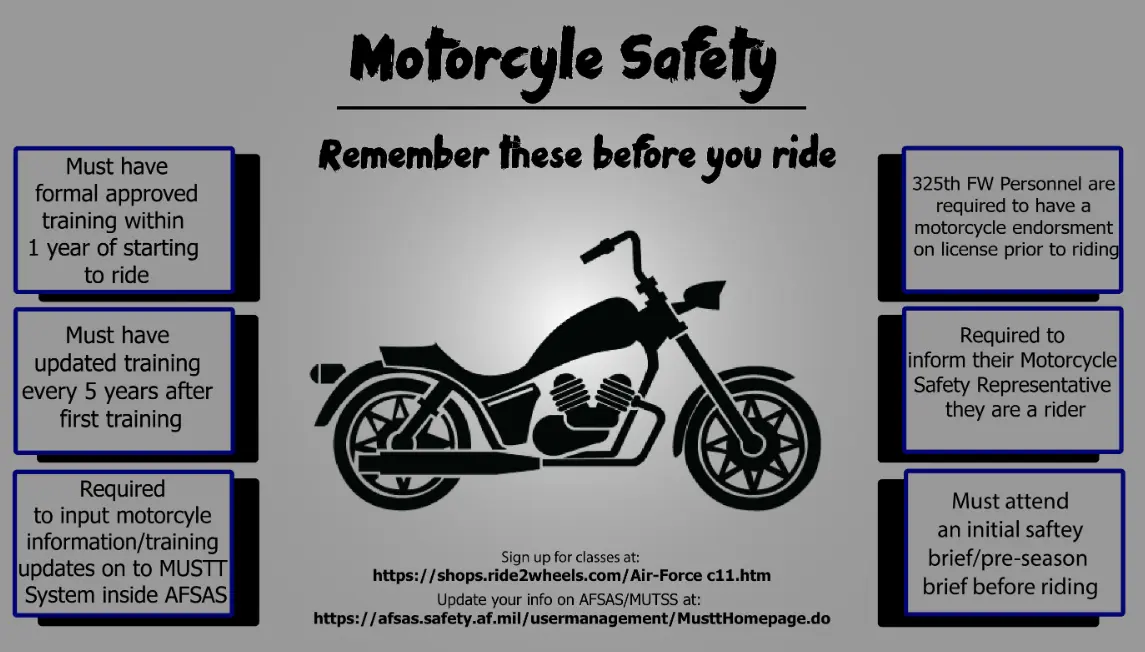
Motorcycle safety is essential for every rider, combining awareness, preparation, and responsible practices to minimize risks on the road. Always wear a DOT-approved helmet, protective gear like jackets, gloves, pants, and boots to shield against impacts and weather elements. Maintain your motorcycle regularly, checking brakes, tires, lights, and fluids to ensure it’s in top condition before every ride.
Obey traffic laws, including speed limits, signals, and lane usage, while staying vigilant for hazards like slippery surfaces, blind spots, and distracted drivers. Enroll in a certified riding course to build skills in defensive driving, emergency maneuvers, and hazard avoidance. Ride sober, avoid fatigue, and use daytime running lights for better visibility.
Ultimately, a proactive approach to safety not only protects you but also sets a positive example for others, making every journey more enjoyable and secure.
Table of Contents
- Part 1: OnlineExamMaker AI Quiz Generator – The Easiest Way to Make Quizzes Online
- Part 2: 20 Motorcycle Safety Quiz Questions & Answers
- Part 3: AI Question Generator – Automatically Create Questions for Your Next Assessment
Part 1: OnlineExamMaker AI Quiz Generator – The Easiest Way to Make Quizzes Online
When it comes to ease of creating a Motorcycle Safety skills assessment, OnlineExamMaker is one of the best AI-powered quiz making software for your institutions or businesses. With its AI Question Generator, just upload a document or input keywords about your assessment topic, you can generate high-quality quiz questions on any topic, difficulty level, and format.
What you will like:
● AI Question Generator to help you save time in creating quiz questions automatically.
● Share your online exam with audiences on social platforms like Facebook, Twitter, Reddit and more.
● Display the feedback for correct or incorrect answers instantly after a question is answered.
● Create a lead generation form to collect an exam taker’s information, such as email, mobile phone, work title, company profile and so on.
Automatically generate questions using AI
Part 2: 20 Motorcycle Safety Quiz Questions & Answers
or
1. Question: What is the primary purpose of wearing a helmet while riding a motorcycle?
A) To keep the rider’s head warm in cold weather
B) To reduce wind noise during rides
C) To protect the head from injury in a crash
D) To improve the rider’s visibility on the road
Answer: C
Explanation: Helmets are designed to absorb impact and protect the skull and brain from serious injuries during accidents.
2. Question: How should you position your motorcycle when stopped at an intersection?
A) In the center of the lane
B) On the left side of the lane
C) On the right side of the lane
D) Anywhere in the lane as long as you’re visible
Answer: C
Explanation: Positioning on the right side of the lane at intersections increases visibility to other drivers and reduces the risk of being sideswiped.
3. Question: What is the recommended following distance for a motorcycle on a highway?
A) One second behind the vehicle in front
B) Two seconds behind the vehicle in front
C) Three to four seconds behind the vehicle in front
D) Less than one second for better speed matching
Answer: C
Explanation: A three to four-second following distance allows more time for reaction and braking, considering motorcycles have less stability than cars.
4. Question: Why should motorcyclists wear bright or reflective clothing?
A) To match the color of their bike
B) To increase visibility to other road users
C) To protect against rain and wind
D) To reduce the bike’s fuel consumption
Answer: B
Explanation: Bright or reflective clothing helps other drivers see motorcyclists from a greater distance, reducing the chance of collisions.
5. Question: What should you do if you encounter a slippery surface while riding?
A) Accelerate quickly to gain traction
B) Brake hard to stop immediately
C) Reduce speed and avoid sudden movements
D) Swerve sharply to the side
Answer: C
Explanation: On slippery surfaces, reducing speed and avoiding abrupt actions like hard braking or swerving helps maintain control and prevent skidding.
6. Question: How often should you check your motorcycle’s tire pressure?
A) Once a year
B) Before every ride
C) Only after a long trip
D) Every six months
Answer: B
Explanation: Checking tire pressure before every ride ensures optimal handling, braking, and safety, as underinflated or overinflated tires can lead to accidents.
7. Question: What is the safest way to make a turn on a motorcycle?
A) Lean the motorcycle into the turn
B) Keep the motorcycle upright and turn the handlebars sharply
C) Brake heavily during the turn
D) Accelerate through the turn
Answer: A
Explanation: Leaning the motorcycle into the turn is the proper technique for maintaining balance and control, preventing the bike from tipping over.
8. Question: Why is it dangerous to ride a motorcycle under the influence of alcohol?
A) It improves reaction times
B) It impairs judgment, balance, and coordination
C) It increases fuel efficiency
D) It makes the ride more comfortable
Answer: B
Explanation: Alcohol slows reaction times, affects decision-making, and reduces coordination, greatly increasing the risk of crashes on a motorcycle.
9. Question: What should you do if your motorcycle starts to wobble at high speeds?
A) Accelerate to stabilize it
B) Apply the brakes immediately
C) Grip the handlebars firmly and gradually slow down
D) Turn the handlebars sharply
Answer: C
Explanation: Gripping the handlebars firmly and slowing down gradually helps regain control without exacerbating the wobble, which could lead to a crash.
10. Question: What is the minimum eye protection required for motorcyclists?
A) Sunglasses only during the day
B) A full-face helmet with a visor
C) No protection if the weather is clear
D) Goggles or a face shield
Answer: D
Explanation: Goggles or a face shield protect the eyes from wind, insects, and debris, reducing the risk of accidents caused by impaired vision.
11. Question: How should you signal your intentions to other drivers on the road?
A) Use hand signals only if turn signals are broken
B) Always use turn signals and hand signals when necessary
C) Honk the horn instead of signaling
D) Flash your high beams
Answer: B
Explanation: Using turn signals and hand signals clearly communicates your intentions, helping prevent collisions by alerting other road users.
12. Question: What is the best practice for riding in heavy traffic?
A) Weave in and out of lanes to save time
B) Stay in one lane and maintain a safe speed
C) Ride on the shoulder to avoid cars
D) Turn off your headlights
Answer: B
Explanation: Staying in one lane and maintaining a safe speed in heavy traffic reduces the risk of sideswipes and gives you better control of your motorcycle.
13. Question: Why should motorcyclists avoid carrying unsecured loads?
A) It makes the bike look untidy
B) It can shift during rides, causing loss of control
C) It reduces the bike’s speed
D) It only affects fuel consumption
Answer: B
Explanation: Unsecured loads can shift unexpectedly, unbalancing the motorcycle and leading to crashes, especially during turns or sudden stops.
14. Question: What should you check before starting a ride in rainy conditions?
A) Only the fuel level
B) Tire tread and chain tension
C) The color of your gear
D) The radio settings
Answer: B
Explanation: In rainy conditions, checking tire tread for grip and chain tension for stability helps prevent skidding and ensures safer handling on wet roads.
15. Question: How can you improve your visibility at night while riding?
A) Turn off your headlights to save battery
B) Use high beams and wear reflective gear
C) Ride faster to cover more ground
D) Stay close to other vehicles
Answer: B
Explanation: High beams illuminate the road better, and reflective gear makes you more visible to others, reducing the risk of nighttime accidents.
16. Question: What is the correct way to brake on a motorcycle?
A) Use only the front brake for quick stops
B) Use both front and rear brakes simultaneously
C) Use the rear brake only
D) Avoid braking until the last moment
Answer: B
Explanation: Using both brakes together provides balanced stopping power and helps maintain control, preventing the front wheel from locking up.
17. Question: Why is regular maintenance important for motorcycle safety?
A) It only improves the bike’s appearance
B) It ensures brakes, tires, and lights function properly
C) It increases the bike’s speed
D) It reduces the need for helmets
Answer: B
Explanation: Regular maintenance keeps critical components like brakes and tires in good condition, preventing mechanical failures that could cause accidents.
18. Question: What should you do if an animal suddenly appears on the road?
A) Swerve to avoid it at all costs
B) Brake firmly and maintain your lane if possible
C) Accelerate to scare it away
D) Honk continuously
Answer: B
Explanation: Braking firmly while staying in your lane is safer than swerving, which could lead to loss of control or a collision with other vehicles.
19. Question: How does group riding affect motorcycle safety?
A) It allows riders to go faster together
B) Riders should maintain a staggered formation and communicate
C) It’s safer to ride side by side
D) Groups don’t need to follow traffic rules
Answer: B
Explanation: A staggered formation in group riding provides space for maneuvering and visibility, while communication helps avoid collisions among riders.
20. Question: What is the key to avoiding fatigue while on a long ride?
A) Ride continuously without breaks
B) Take regular breaks and stay hydrated
C) Listen to loud music to stay alert
D) Increase your speed to finish faster
Answer: B
Explanation: Taking regular breaks and staying hydrated prevents fatigue, which can impair concentration and reaction times, leading to safer rides.
or
Part 3: AI Question Generator – Automatically Create Questions for Your Next Assessment
Automatically generate questions using AI