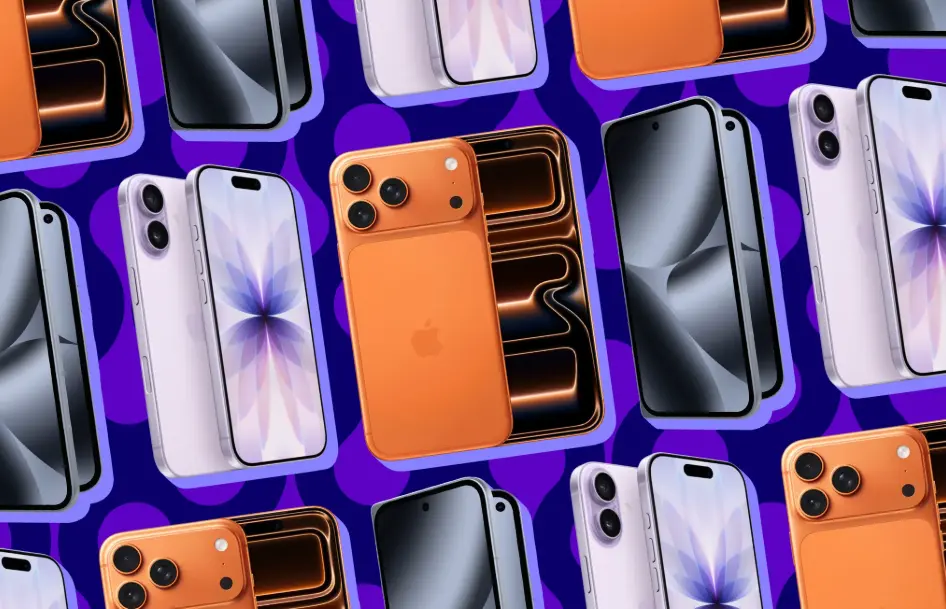
Mobile phones, often referred to as cell phones or smartphones, are portable devices that have revolutionized global communication and daily life. These handheld gadgets enable users to make voice calls, send text messages, and access the internet wirelessly through cellular networks. From their origins as bulky, basic devices in the 1980s, mobile phones have evolved into sleek, multifunctional tools equipped with high-resolution cameras, touchscreens, powerful processors, and advanced software.
Key features include high-speed data connectivity, such as 4G or 5G, which supports streaming videos, video calls, and real-time navigation. They also offer a vast array of applications for social media, banking, health tracking, and entertainment, turning them into personal assistants that fit in your pocket. With built-in GPS, biometric security like fingerprint or facial recognition, and long-lasting batteries, mobile phones enhance productivity and connectivity on the go.
Beyond communication, they play a pivotal role in education, business, and emergency services, allowing instant access to information and services. As technology advances, mobile phones continue to integrate artificial intelligence, augmented reality, and eco-friendly designs, shaping the future of innovation and human interaction.
Table of Contents
- Part 1: Create An Amazing Mobile Phones Quiz Using AI Instantly in OnlineExamMaker
- Part 2: 20 Mobile Phones Quiz Questions & Answers
- Part 3: Save Time and Energy: Generate Quiz Questions with AI Technology
Part 1: Create An Amazing Mobile Phones Quiz Using AI Instantly in OnlineExamMaker
Nowadays more and more people create Mobile Phones quizzes using AI technologies, OnlineExamMaker a powerful AI-based quiz making tool that can save you time and efforts. The software makes it simple to design and launch interactive quizzes, assessments, and surveys. With the Question Editor, you can create multiple-choice, open-ended, matching, sequencing and many other types of questions for your tests, exams and inventories. You are allowed to enhance quizzes with multimedia elements like images, audio, and video to make them more interactive and visually appealing.
Recommended features for you:
● Prevent cheating by randomizing questions or changing the order of questions, so learners don’t get the same set of questions each time.
● Automatically generates detailed reports—individual scores, question report, and group performance.
● Simply copy a few lines of codes, and add them to a web page, you can present your online quiz in your website, blog, or landing page.
● Offers question analysis to evaluate question performance and reliability, helping instructors optimize their training plan.
Automatically generate questions using AI
Part 2: 20 Mobile Phones Quiz Questions & Answers
or
1. Question: What is the primary function of a mobile phone’s SIM card?
Options:
A. To store photos and videos
B. To provide Wi-Fi connectivity
C. To identify and authenticate the user on a cellular network
D. To increase the phone’s processing speed
Answer: C
Explanation: The SIM card holds the subscriber’s information, such as the IMSI, which allows the phone to connect to and be identified on a mobile network.
2. Question: Which company is credited with inventing the first handheld mobile phone?
Options:
A. Apple
B. Motorola
C. Samsung
D. Nokia
Answer: B
Explanation: Motorola released the first handheld mobile phone, the Motorola DynaTAC, in 1983, marking the beginning of portable cellular communication.
3. Question: What does RAM primarily do in a mobile phone?
Options:
A. Store permanent data like photos
B. Provide long-term storage for apps
C. Temporarily hold data for quick access by the processor
D. Charge the phone’s battery
Answer: C
Explanation: RAM (Random Access Memory) allows the phone to run multiple apps smoothly by storing active data that the processor needs to access quickly.
4. Question: Which generation of mobile network technology offers the fastest speeds for downloads?
Options:
A. 3G
B. 4G
C. 5G
D. 2G
Answer: C
Explanation: 5G networks provide significantly higher data speeds, lower latency, and greater capacity compared to previous generations, enabling advanced applications like ultra-HD streaming.
5. Question: What is the main difference between a smartphone and a feature phone?
Options:
A. Smartphones have larger screens
B. Feature phones support advanced apps and operating systems
C. Smartphones run on full operating systems like Android or iOS
D. Feature phones are always more expensive
Answer: C
Explanation: Smartphones use sophisticated operating systems that support a wide range of apps, internet browsing, and multitasking, whereas feature phones are basic with limited functionality.
6. Question: Which operating system is developed by Google for mobile devices?
Options:
A. iOS
B. Windows Phone
C. Android
D. BlackBerry OS
Answer: C
Explanation: Android is an open-source operating system developed by Google, powering a majority of smartphones worldwide with its customizable interface and app ecosystem.
7. Question: What technology allows mobile phones to connect to the internet without cables?
Options:
A. Bluetooth
B. Wi-Fi
C. NFC
D. Infrared
Answer: B
Explanation: Wi-Fi uses radio waves to provide wireless internet connectivity, enabling devices to access networks in homes, offices, or public hotspots.
8. Question: How does a mobile phone’s GPS function work?
Options:
A. By connecting to nearby cell towers
B. By receiving signals from satellites
C. Through Bluetooth pairing with other devices
D. By using the phone’s camera for mapping
Answer: B
Explanation: GPS (Global Positioning System) works by triangulating signals from multiple satellites to determine the device’s precise location on Earth.
9. Question: What is the purpose of a dual-SIM feature in mobile phones?
Options:
A. To double the phone’s storage capacity
B. To allow two phone numbers on one device
C. To enhance the camera’s resolution
D. To improve battery life significantly
Answer: B
Explanation: Dual-SIM technology lets users manage two separate phone lines, such as one for personal use and one for business, on the same device.
10. Question: Which component in a mobile phone is responsible for storing apps and data?
Options:
A. RAM
B. CPU
C. Internal storage or SD card
D. Battery
Answer: C
Explanation: Internal storage or an expandable SD card holds files, apps, and data permanently, unlike RAM which is for temporary use.
11. Question: What does the term “5G” stand for in mobile networks?
Options:
A. Five Gigabytes
B. Fifth Generation
C. Fast Global
D. Five Gates
Answer: B
Explanation: 5G refers to the fifth generation of wireless technology, designed to provide faster speeds and support for more connected devices than 4G.
12. Question: Which mobile phone feature helps in authenticating users via their fingerprint?
Options:
A. Face ID
B. Biometric sensor
C. NFC chip
D. GPS tracker
Answer: B
Explanation: A biometric sensor, often integrated into the phone’s button or screen, scans fingerprints for secure unlocking and authentication.
13. Question: What is wireless charging in mobile phones?
Options:
A. Charging via USB cables
B. Transferring data wirelessly
C. Inductively charging the battery without wires
D. Boosting signal strength
Answer: C
Explanation: Wireless charging uses electromagnetic fields to transfer energy from a charging pad to the phone, eliminating the need for physical cables.
14. Question: Which app store is associated with Android devices?
Options:
A. App Store
B. Google Play Store
C. Windows Store
D. Galaxy Store
Answer: B
Explanation: The Google Play Store is the official app marketplace for Android devices, offering a vast selection of apps, games, and media.
15. Question: What is the main advantage of a phone with a higher megapixel camera?
Options:
A. Longer battery life
B. Better photo resolution and detail
C. Faster internet speeds
D. More storage space
Answer: B
Explanation: Higher megapixels allow the camera to capture images with greater detail and clarity, improving overall photo quality.
16. Question: Which brand is known for producing the iPhone series?
Options:
A. Samsung
B. Apple
C. Huawei
D. Google
Answer: B
Explanation: Apple designs and manufactures the iPhone, which runs on iOS and is renowned for its ecosystem and user-friendly interface.
17. Question: What does NFC stand for in mobile phone technology?
Options:
A. Near Field Communication
B. New Frequency Channel
C. Network File Connection
D. Non-Functional Chip
Answer: A
Explanation: NFC enables short-range wireless communication for tasks like contactless payments, file sharing, and pairing devices.
18. Question: How do folding phones differ from traditional smartphones?
Options:
A. They have better cameras
B. They feature a screen that can fold for a compact design
C. They use less battery
D. They only support 4G networks
Answer: B
Explanation: Folding phones have flexible screens that can fold, allowing them to transform into smaller sizes for portability while offering larger displays when unfolded.
19. Question: What is the environmental impact of lithium-ion batteries in mobile phones?
Options:
A. They are fully recyclable with no waste
B. They can cause pollution if not disposed of properly
C. They reduce global warming immediately
D. They have no effect on the environment
Answer: B
Explanation: Lithium-ion batteries contain materials that can leach harmful chemicals into the environment if not recycled, contributing to e-waste issues.
20. Question: What future trend is expected in mobile phones regarding connectivity?
Options:
A. Return to 3G networks
B. Widespread adoption of 6G technology
C. Removal of touchscreens
D. Only wired charging options
Answer: B
Explanation: 6G is anticipated to follow 5G, offering even faster speeds, lower latency, and advanced applications like holographic communication.
or
Part 3: Save Time and Energy: Generate Quiz Questions with AI Technology
Automatically generate questions using AI