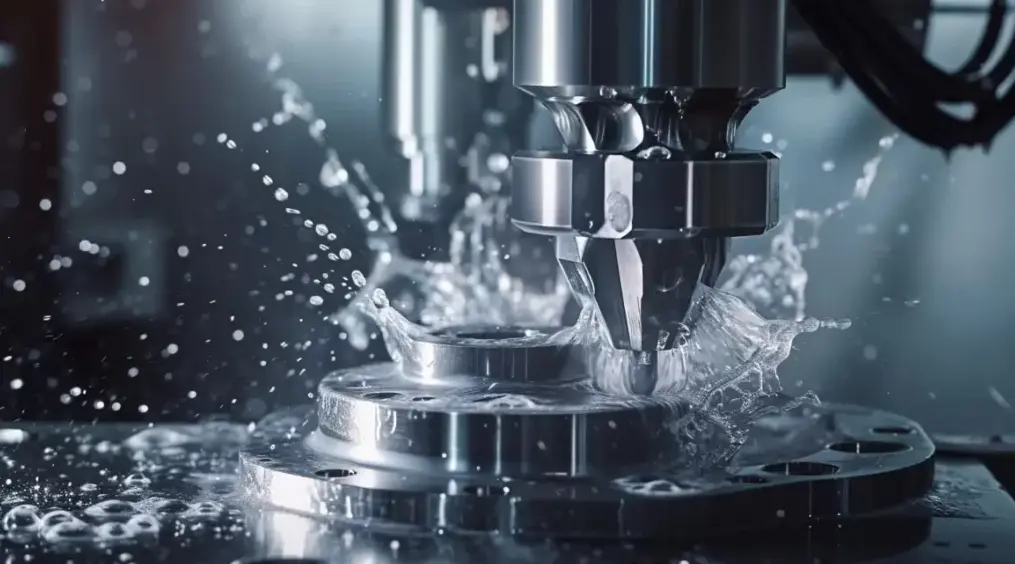
Machining is a precision manufacturing process that involves removing material from a workpiece to achieve a desired shape, size, and surface finish. Using specialized tools such as lathes, mills, drills, and grinders, it shapes metals, plastics, and composites through techniques like turning, milling, drilling, and boring. This subtractive method ensures high accuracy and tight tolerances, making it essential in industries such as automotive, aerospace, and electronics for producing components like engine parts, gears, and custom prototypes. By controlling speed, feed rates, and cutting tools, machining delivers durable, functional parts with excellent mechanical properties, though it generates waste material that requires proper management.
Table of Contents
- Part 1: Best AI Quiz Making Software for Creating A Machining Quiz
- Part 2: 20 Machining Quiz Questions & Answers
- Part 3: Save Time and Energy: Generate Quiz Questions with AI Technology
Part 1: Best AI Quiz Making Software for Creating A Machining Quiz
Nowadays more and more people create Machining quizzes using AI technologies, OnlineExamMaker a powerful AI-based quiz making tool that can save you time and efforts. The software makes it simple to design and launch interactive quizzes, assessments, and surveys. With the Question Editor, you can create multiple-choice, open-ended, matching, sequencing and many other types of questions for your tests, exams and inventories. You are allowed to enhance quizzes with multimedia elements like images, audio, and video to make them more interactive and visually appealing.
Take a product tour of OnlineExamMaker:
● Create a question pool through the question bank and specify how many questions you want to be randomly selected among these questions.
● Build and store questions in a centralized portal, tagged by categories and keywords for easy reuse and organization.
● Simply copy a few lines of codes, and add them to a web page, you can present your online quiz in your website, blog, or landing page.
● Randomize questions or change the order of questions to ensure exam takers don’t get the same set of questions each time.
Automatically generate questions using AI
Part 2: 20 Machining Quiz Questions & Answers
or
1. What is the primary function of a lathe machine?
A. To remove material by rotating the workpiece against a stationary tool
B. To shape metal using a reciprocating motion
C. To drill holes with high precision
D. To grind surfaces to a fine finish
Answer: A
Explanation: A lathe machine rotates the workpiece while a cutting tool is fed into it, allowing for operations like turning and facing to remove material symmetrically.
2. Which machining process involves removing material using a rotating cutter with multiple cutting edges?
A. Drilling
B. Milling
C. Turning
D. Grinding
Answer: B
Explanation: Milling uses a rotating multi-point cutter to remove material from a workpiece, creating flat or contoured surfaces.
3. What does the term “feed rate” refer to in machining?
A. The speed at which the cutting tool rotates
B. The distance the tool advances into the workpiece per revolution or per unit time
C. The total depth of cut in a single pass
D. The material hardness of the workpiece
Answer: B
Explanation: Feed rate determines how quickly the cutting tool moves relative to the workpiece, affecting surface finish and machining time.
4. In CNC machining, what does CNC stand for?
A. Computer Numerical Control
B. Centralized Numerical Cutting
C. Custom Numerical Code
D. Computerized Net Control
Answer: A
Explanation: CNC refers to Computer Numerical Control, a system that uses computer programming to control machine tools for precise and automated operations.
5. Which tool is commonly used for creating holes in a workpiece?
A. End mill
B. Drill bit
C. Lathe tool
D. Grinding wheel
Answer: B
Explanation: A drill bit is designed specifically for drilling operations, rotating to cut cylindrical holes through materials.
6. What is the purpose of coolant in machining processes?
A. To increase the speed of the cutting tool
B. To lubricate and cool the cutting area, reducing friction and heat
C. To add material to the workpiece
D. To measure the feed rate
Answer: B
Explanation: Coolant helps dissipate heat, reduce tool wear, and improve surface finish by lubricating the contact area between the tool and workpiece.
7. Which factor primarily affects the surface finish in machining?
A. Spindle speed
B. Workpiece material only
C. Feed rate and tool condition
D. Operator experience
Answer: C
Explanation: Feed rate and the condition of the cutting tool directly influence the quality of the surface finish by controlling how material is removed.
8. What is a common defect in machining known as “chatter”?
A. Overheating of the tool
B. Vibrations causing uneven surfaces
C. Excessive material removal
D. Tool breakage
Answer: B
Explanation: Chatter occurs due to vibrations between the tool and workpiece, leading to poor surface quality and potential damage.
9. In turning operations, what is the “depth of cut”?
A. The distance the tool travels along the workpiece
B. The amount of material removed radially from the workpiece
C. The speed of the lathe spindle
D. The angle of the cutting tool
Answer: B
Explanation: Depth of cut is the perpendicular distance from the machined surface to the uncut surface, determining how much material is removed in one pass.
10. Which material is most commonly used for cutting tools in high-speed machining?
A. High-speed steel (HSS)
B. Aluminum
C. Cast iron
D. Carbide
Answer: D
Explanation: Carbide tools are preferred for high-speed machining due to their hardness, heat resistance, and ability to maintain a sharp edge at high temperatures.
11. What is the main advantage of using a vertical milling machine over a horizontal one?
A. Better for heavy cutting
B. Easier access for drilling and boring operations
C. Higher spindle speeds
D. Lower cost
Answer: B
Explanation: Vertical milling machines allow for straightforward access to the workpiece from above, making them ideal for operations like drilling and face milling.
12. How does increasing the cutting speed affect tool life?
A. It increases tool life by reducing friction
B. It decreases tool life due to higher heat generation
C. It has no effect on tool life
D. It only affects surface finish
Answer: B
Explanation: Higher cutting speeds generate more heat, which can accelerate tool wear and reduce the overall lifespan of the cutting tool.
13. What safety precaution is essential when operating a machining tool?
A. Wearing loose clothing
B. Keeping hands away from moving parts
C. Using maximum feed rates
D. Ignoring emergency stops
Answer: B
Explanation: Keeping hands and body away from moving parts prevents accidents and injuries during machining operations.
14. In grinding, what does “wheel dressing” involve?
A. Sharpening the grinding wheel
B. Removing material from the workpiece
C. Cleaning the machine bed
D. Adjusting the feed rate
Answer: A
Explanation: Wheel dressing reshapes and exposes fresh abrasive grains on the grinding wheel, maintaining its cutting efficiency.
15. Which machining process is best for creating internal threads?
A. Turning
B. Tapping
C. Milling
D. Drilling
Answer: B
Explanation: Tapping uses a tap tool to create internal threads in a pre-drilled hole, providing precise and functional threading.
16. What role does the rake angle play in a cutting tool?
A. It determines the tool’s strength
B. It affects the direction of chip flow and cutting forces
C. It controls the spindle speed
D. It measures the tool’s length
Answer: B
Explanation: The rake angle influences how the cutting tool engages the material, affecting chip formation, cutting forces, and tool life.
17. Why is tolerance important in machining?
A. To increase production speed
B. To ensure parts fit together accurately in assemblies
C. To reduce material costs
D. To simplify tool selection
Answer: B
Explanation: Tolerance specifies the allowable variation in dimensions, ensuring machined parts meet design requirements for proper assembly and function.
18. What is the difference between roughing and finishing cuts?
A. Roughing is for precision, finishing for speed
B. Roughing removes bulk material quickly, finishing achieves final dimensions and surface quality
C. Roughing uses coolant, finishing does not
D. Finishing is always done first
Answer: B
Explanation: Roughing cuts prioritize rapid material removal, while finishing cuts focus on accuracy and smooth surfaces.
19. Which type of machining is used for creating complex shapes in hard materials?
A. Electrical discharge machining (EDM)
B. Manual lathe turning
C. Hand filing
D. Abrasive blasting
Answer: A
Explanation: EDM uses electrical sparks to erode material, allowing for precise shaping of complex geometries in hard or conductive materials.
20. How does the hardness of a workpiece material affect machining?
A. Softer materials require higher speeds
B. Harder materials increase tool wear and may need slower feeds
C. Hardness has no impact on machining
D. Only affects the final product weight
Answer: B
Explanation: Harder workpiece materials resist cutting, leading to greater tool wear, higher forces, and often requiring reduced speeds and feeds for effective machining.
or
Part 3: Save Time and Energy: Generate Quiz Questions with AI Technology
Automatically generate questions using AI