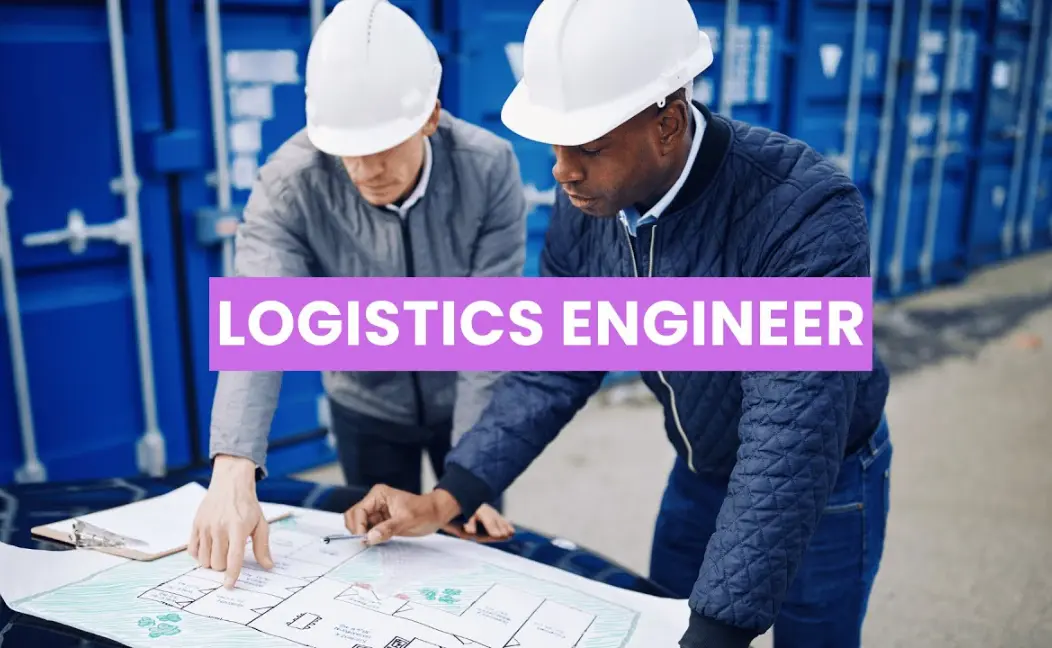
Logistic Engineering is a multidisciplinary field that integrates engineering principles with logistics management to design, optimize, and implement efficient systems for the movement of goods, services, and information. It focuses on streamlining supply chains, transportation networks, warehousing operations, and inventory control to minimize costs, reduce waste, and enhance overall efficiency. By employing tools such as data analytics, simulation software, and operations research, logistic engineers address challenges like demand forecasting, route optimization, and risk management, ensuring seamless coordination from production to delivery. This discipline plays a vital role in industries such as manufacturing, retail, healthcare, and global trade, driving innovation and sustainability in modern supply chain ecosystems.
Table of Contents
- Part 1: OnlineExamMaker AI Quiz Generator – The Easiest Way to Make Quizzes Online
- Part 2: 20 Logistic Engineering Quiz Questions & Answers
- Part 3: Automatically Generate Quiz Questions Using AI Question Generator
Part 1: OnlineExamMaker AI Quiz Generator – The Easiest Way to Make Quizzes Online
Are you looking for an online assessment to test the Logistic Engineering skills of your learners? OnlineExamMaker uses artificial intelligence to help quiz organizers to create, manage, and analyze exams or tests automatically. Apart from AI features, OnlineExamMaker advanced security features such as full-screen lockdown browser, online webcam proctoring, and face ID recognition.
Take a product tour of OnlineExamMaker:
● Includes a safe exam browser (lockdown mode), webcam and screen recording, live monitoring, and chat oversight to prevent cheating.
● AI Exam Grader for efficiently grading quizzes and assignments, offering inline comments, automatic scoring, and “fudge points” for manual adjustments.
● Embed quizzes on websites, blogs, or share via email, social media (Facebook, Twitter), or direct links.
● Handles large-scale testing (thousands of exams/semester) without internet dependency, backed by cloud infrastructure.
Automatically generate questions using AI
Part 2: 20 Logistic Engineering Quiz Questions & Answers
or
1. What is the primary objective of logistics engineering?
A. Maximizing production output
B. Minimizing transportation costs
C. Ensuring efficient movement of goods and services
D. Increasing inventory levels
Answer: C
Explanation: Logistics engineering aims to optimize the flow of goods, information, and resources to enhance overall efficiency and effectiveness in supply chains.
2. Which mode of transportation is typically the fastest for long-distance shipping?
A. Road
B. Rail
C. Air
D. Sea
Answer: C
Explanation: Air transportation offers the quickest delivery times for long distances due to high speeds, despite higher costs.
3. In inventory management, what does the term “EOQ” stand for?
A. Economic Order Quantity
B. Effective Operational Quality
C. Essential Order Quota
D. Efficient Output Quantity
Answer: A
Explanation: EOQ is a formula used to determine the optimal order quantity that minimizes the total cost of ordering and holding inventory.
4. What is the main benefit of using a just-in-time (JIT) inventory system?
A. Reducing storage space requirements
B. Increasing stock levels for safety
C. Allowing for bulk purchasing discounts
D. Simplifying accounting processes
Answer: A
Explanation: JIT reduces inventory holding costs and waste by ensuring materials arrive exactly when needed in the production process.
5. Which factor is most critical in selecting a warehouse location?
A. Proximity to suppliers
B. Employee commute times
C. Availability of office space
D. Color of the building
Answer: A
Explanation: Proximity to suppliers minimizes transportation costs and lead times, making it a key factor in efficient logistics operations.
6. What does the term “reverse logistics” refer to?
A. Forwarding goods to customers
B. Handling returns and recycling of products
C. Increasing supply chain speed
D. Outsourcing logistics functions
Answer: B
Explanation: Reverse logistics involves the process of moving goods from their final destination back to the point of origin for returns, recycling, or disposal.
7. In supply chain management, what is a key role of Enterprise Resource Planning (ERP) systems?
A. Managing employee payroll
B. Integrating various business processes for better data flow
C. Designing product packaging
D. Conducting market research
Answer: B
Explanation: ERP systems streamline operations by integrating functions like inventory, procurement, and distribution into a single platform.
8. Which metric is used to measure the time taken for a product to move through the supply chain?
A. Lead time
B. Cycle time
C. Downtime
D. Uptime
Answer: B
Explanation: Cycle time tracks the total time from the start to the end of a process, helping to identify inefficiencies in logistics.
9. What is the primary advantage of intermodal transportation?
A. Reducing fuel efficiency
B. Combining multiple modes for cost savings and flexibility
C. Limiting shipment sizes
D. Increasing delivery delays
Answer: B
Explanation: Intermodal transportation uses more than one mode (e.g., truck and rail) to optimize routes, reduce costs, and improve efficiency.
10. How does RFID technology benefit logistics engineering?
A. By increasing manual tracking efforts
B. By providing real-time tracking of assets
C. By replacing all digital systems
D. By slowing down inventory processes
Answer: B
Explanation: RFID allows for automatic and accurate tracking of items, reducing errors and improving visibility in the supply chain.
11. What is the main purpose of a bill of lading in logistics?
A. To advertise products
B. To serve as a contract of carriage for goods
C. To design shipping routes
D. To handle customer payments
Answer: B
Explanation: A bill of lading is a legal document that outlines the details of the shipment, acting as a receipt and contract between shipper and carrier.
12. In logistics, what does “cross-docking” involve?
A. Storing goods for long periods
B. Directly transferring goods from inbound to outbound trucks
C. Building new warehouses
D. Repairing damaged shipments
Answer: B
Explanation: Cross-docking minimizes storage time by immediately sorting and transferring goods, reducing inventory costs and speeding up delivery.
13. Which strategy is used to mitigate risks in global logistics?
A. Single-sourcing suppliers
B. Diversifying supply chains
C. Ignoring market fluctuations
D. Centralizing all operations
Answer: B
Explanation: Diversifying supply chains spreads risk by using multiple sources, helping to avoid disruptions from geopolitical or environmental issues.
14. What is the role of a distribution center in logistics?
A. Manufacturing products
B. Storing and sorting goods for delivery
C. Designing transportation vehicles
D. Conducting sales training
Answer: B
Explanation: Distribution centers act as hubs for receiving, storing, and dispatching products to retailers or customers efficiently.
15. How does lean logistics improve operations?
A. By adding unnecessary steps
B. By eliminating waste and non-value activities
C. By increasing inventory stockpiles
D. By complicating processes
Answer: B
Explanation: Lean logistics focuses on streamlining processes to reduce waste, lower costs, and enhance productivity in the supply chain.
16. What is the impact of globalization on logistics engineering?
A. It simplifies local operations
B. It requires managing complex international networks and regulations
C. It eliminates the need for transportation
D. It focuses only on domestic markets
Answer: B
Explanation: Globalization demands handling diverse regulations, currencies, and cultures, making logistics more intricate and strategic.
17. In warehouse management, what does “ABC analysis” classify?
A. Employee performance
B. Inventory based on value and usage
C. Shipping routes
D. Supplier contracts
Answer: B
Explanation: ABC analysis categorizes inventory into groups (A, B, C) based on importance, allowing for better control of high-value items.
18. Which factor primarily influences the choice of packaging in logistics?
A. Aesthetic appeal
B. Protection, cost, and ease of handling
C. Color preferences
D. Supplier branding
Answer: B
Explanation: Packaging must ensure product safety during transit while being cost-effective and user-friendly for logistics processes.
19. What is the key benefit of using drones in logistics?
A. Increasing road traffic
B. Enabling faster last-mile delivery in hard-to-reach areas
C. Replacing all human drivers
D. Slowing down package sorting
Answer: B
Explanation: Drones provide rapid and efficient delivery for short distances, reducing time and costs in urban or remote logistics.
20. How does sustainable logistics contribute to environmental goals?
A. By increasing carbon emissions
B. By optimizing routes to reduce fuel consumption
C. By promoting single-use packaging
D. By expanding warehouse sizes
Answer: B
Explanation: Sustainable logistics employs strategies like route optimization and eco-friendly transport to minimize environmental impact and resource use.
or
Part 3: Automatically generate quiz questions using OnlineExamMaker AI Question Generator
Automatically generate questions using AI