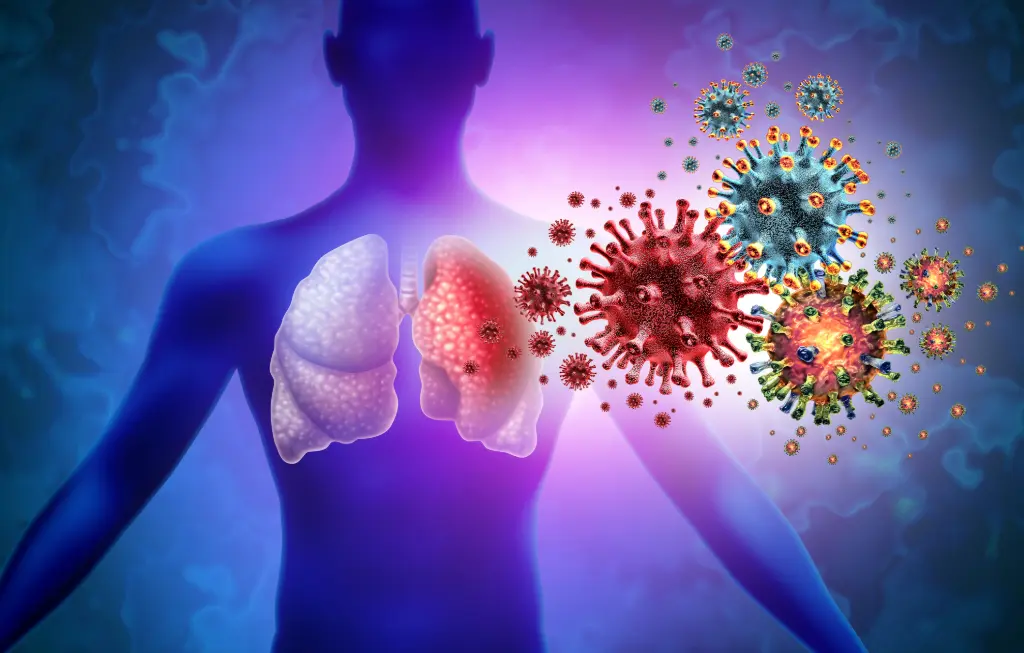
Infections occur when harmful microorganisms, such as bacteria, viruses, fungi, or parasites, invade the body and multiply, leading to disease. They can affect any part of the body and vary in severity from mild, self-limiting illnesses to life-threatening conditions.
#Types of Infections:
– Bacterial Infections: Caused by bacteria, such as streptococcus or E. coli. Examples include strep throat and urinary tract infections. Antibiotics are often used for treatment.
– Viral Infections: Result from viruses like influenza or HIV. Common examples include the common cold and COVID-19. Antiviral medications may help, but many resolve with rest and immune support.
– Fungal Infections: Typically caused by fungi like Candida or Aspergillus. They often affect the skin, nails, or lungs, such as athlete’s foot or yeast infections. Antifungal drugs are standard treatments.
– Parasitic Infections: Involve parasites like malaria-causing Plasmodium or intestinal worms. These are often transmitted through contaminated food, water, or insect bites, and may require specific antiparasitic medications.
#Causes and Transmission:
Infections spread via direct contact (e.g., touching an infected person), indirect contact (e.g., contaminated surfaces), airborne droplets (e.g., sneezing), vectors (e.g., mosquitoes), or contaminated food and water. Factors like poor hygiene, weakened immune systems, and overcrowding increase risk.
#Symptoms:
Common signs include fever, fatigue, pain, swelling, redness, and discharge. Symptoms vary by infection type and location; for instance, respiratory infections may cause coughing, while gastrointestinal ones lead to diarrhea.
#Prevention and Treatment:
– Prevention: Practice good hygiene (e.g., handwashing), get vaccinated, maintain a healthy lifestyle, and avoid high-risk behaviors. Safe sex and clean water sources are crucial.
– Treatment: Depends on the cause; antibiotics for bacterial, antivirals for viral, and antifungals for fungal infections. Supportive care like hydration and rest is essential, and severe cases may require hospitalization.
Early detection and proper medical care are key to managing infections and preventing complications. Always consult a healthcare professional for diagnosis and treatment.
Table of Contents
- Part 1: Create A Infection Quiz in Minutes Using AI with OnlineExamMaker
- Part 2: 20 Infection Quiz Questions & Answers
- Part 3: OnlineExamMaker AI Question Generator: Generate Questions for Any Topic
Part 1: Create A Infection Quiz in Minutes Using AI with OnlineExamMaker
When it comes to ease of creating a Infection skills assessment, OnlineExamMaker is one of the best AI-powered quiz making software for your institutions or businesses. With its AI Question Generator, just upload a document or input keywords about your assessment topic, you can generate high-quality quiz questions on any topic, difficulty level, and format.
Overview of its key assessment-related features:
● AI Question Generator to help you save time in creating quiz questions automatically.
● Share your online exam with audiences on social platforms like Facebook, Twitter, Reddit and more.
● Instantly scores objective questions and subjective answers use rubric-based scoring for consistency.
● Simply copy and insert a few lines of embed codes to display your online exams on your website or WordPress blog.
Automatically generate questions using AI
Part 2: 20 Infection Quiz Questions & Answers
or
1. Question: What is the primary mode of transmission for influenza?
A. Direct contact with infected animals
B. Airborne respiratory droplets
C. Contaminated food
D. Blood transfusion
Answer: B
Explanation: Influenza spreads mainly through airborne respiratory droplets from coughing or sneezing, allowing the virus to infect others nearby.
2. Question: Which type of pathogen causes malaria?
A. Bacteria
B. Virus
C. Fungus
D. Parasite
Answer: D
Explanation: Malaria is caused by Plasmodium parasites, which are transmitted through the bites of infected Anopheles mosquitoes.
3. Question: What is the main function of antibiotics in treating infections?
A. Kill viruses
B. Kill or inhibit bacteria
C. Boost the immune system
D. Prevent fungal growth
Answer: B
Explanation: Antibiotics work by killing or inhibiting the growth of bacterial pathogens, but they are ineffective against viruses.
4. Question: How does HIV primarily spread?
A. Airborne particles
B. Contaminated water
C. Unprotected sexual contact or shared needles
D. Insect bites
Answer: C
Explanation: HIV is transmitted through bodily fluids during unprotected sexual contact, sharing needles, or from mother to child during childbirth.
5. Question: What is a common symptom of a urinary tract infection (UTI)?
A. Rash on the skin
B. Frequent urination and burning sensation
C. Severe headache
D. Joint pain
Answer: B
Explanation: UTIs often cause symptoms like frequent urination, urgency, and a burning sensation due to bacterial infection in the urinary system.
6. Question: Which vaccine prevents measles?
A. Polio vaccine
B. MMR vaccine
C. Hepatitis B vaccine
D. Flu vaccine
Answer: B
Explanation: The MMR (measles, mumps, and rubella) vaccine is specifically designed to prevent measles by stimulating immunity against the virus.
7. Question: What causes ringworm?
A. Bacteria
B. Virus
C. Fungus
D. Parasite
Answer: C
Explanation: Ringworm is a fungal infection that affects the skin, causing a ring-shaped rash, and is not caused by worms despite its name.
8. Question: How can tuberculosis (TB) be transmitted?
A. Through contaminated food
B. Via airborne droplets from coughing
C. By animal bites
D. Through sexual contact
Answer: B
Explanation: TB is spread through airborne droplets released when an infected person coughs, sneezes, or speaks.
9. Question: What is the body’s first line of defense against infections?
A. White blood cells
B. Skin and mucous membranes
C. Antibodies
D. Vaccines
Answer: B
Explanation: The skin, mucous membranes, and cilia act as physical barriers to prevent pathogens from entering the body.
10. Question: Which infection is caused by the bacterium Streptococcus?
A. Common cold
B. Strep throat
C. Influenza
D. HIV
Answer: B
Explanation: Strep throat is caused by Streptococcus bacteria, leading to symptoms like sore throat and fever.
11. Question: What does the term “antiviral” refer to in infection treatment?
A. Drugs that kill bacteria
B. Drugs that target viruses
C. Vaccines for fungi
D. Antibiotics for parasites
Answer: B
Explanation: Antiviral medications are designed to inhibit the replication of viruses, helping to treat viral infections like herpes or influenza.
12. Question: How is hepatitis B mainly transmitted?
A. Airborne droplets
B. Contaminated water
C. Blood or bodily fluids
D. Insect vectors
Answer: C
Explanation: Hepatitis B spreads through exposure to infected blood, semen, or other bodily fluids, often via shared needles or unprotected sex.
13. Question: What role do antibodies play in fighting infections?
A. They directly kill pathogens
B. They neutralize pathogens and mark them for destruction
C. They produce vaccines
D. They create physical barriers
Answer: B
Explanation: Antibodies bind to specific antigens on pathogens, neutralizing them and signaling immune cells to destroy the invaders.
14. Question: Which of the following is a fungal infection?
A. Pneumonia
B. Athlete’s foot
C. Tuberculosis
D. Measles
Answer: B
Explanation: Athlete’s foot is caused by fungi like Trichophyton, leading to itchy, scaly skin between the toes.
15. Question: What is the best way to prevent the spread of COVID-19?
A. Taking antibiotics
B. Wearing masks and practicing hand hygiene
C. Eating a specific diet
D. Avoiding sunlight
Answer: B
Explanation: COVID-19 spreads through respiratory droplets, so masks, hand washing, and social distancing are effective preventive measures.
16. Question: What causes food poisoning like salmonellosis?
A. Viruses
B. Bacteria
C. Parasites
D. Fungi
Answer: B
Explanation: Salmonellosis is caused by Salmonella bacteria, often from contaminated food, leading to symptoms like diarrhea and vomiting.
17. Question: How does the immune system develop memory against infections?
A. Through antibiotics
B. Via vaccination or prior exposure
C. By eating healthy foods
D. From physical exercise
Answer: B
Explanation: The immune system creates memory cells after vaccination or infection, allowing for a faster response upon re-exposure.
18. Question: What is a key symptom of meningitis?
A. Itchy eyes
B. Stiff neck and fever
C. Coughing fits
D. Skin rashes only
Answer: B
Explanation: Meningitis, an infection of the membranes around the brain and spinal cord, often presents with a stiff neck, fever, and headache.
19. Question: Which virus causes chickenpox?
A. Influenza virus
B. Varicella-zoster virus
C. Ebola virus
D. Rhinovirus
Answer: B
Explanation: Chickenpox is caused by the varicella-zoster virus, resulting in a blister-like rash and is preventable with vaccination.
20. Question: What is the primary treatment for a bacterial infection like pneumonia?
A. Antiviral drugs
B. Antibiotics
C. Rest and fluids only
D. Antifungal medication
Answer: B
Explanation: Antibiotics are used to treat bacterial pneumonia by targeting and eliminating the bacterial pathogens responsible.
or
Part 3: OnlineExamMaker AI Question Generator: Generate Questions for Any Topic
Automatically generate questions using AI