Hunter Safety Overview
Hunter safety is a critical educational program designed to promote safe, responsible, and ethical hunting practices. It focuses on preventing accidents, protecting wildlife, and ensuring compliance with legal standards. Key elements include:
– Firearm Handling and Safety Rules: Always treat every firearm as if it is loaded. Keep the muzzle pointed in a safe direction, keep your finger off the trigger until ready to shoot, and be sure of your target and what lies beyond. Proper storage, maintenance, and use of bows, firearms, and ammunition are emphasized.
– Personal and Group Safety: Hunters must wear appropriate gear, such as blaze orange clothing, to enhance visibility and reduce risks of accidental shootings. Awareness of surroundings, including identifying other hunters and avoiding blind spots, is crucial.
– Ethical Hunting Practices: This covers the “fair chase” principle, respecting property and landowners, and understanding wildlife conservation. Hunters learn to minimize animal suffering, avoid overhunting, and contribute to habitat preservation.
– First Aid and Emergency Response: Basic training in handling injuries, such as gunshot wounds or exposure, along with knowledge of how to call for help in remote areas. Understanding weather conditions and survival techniques is also included.
– Legal and Regulatory Aspects: Overview of hunting licenses, seasons, bag limits, and species identification to ensure hunters operate within the law. This varies by region but promotes sustainable hunting.
Participating in a hunter safety course, often required for licensing, equips individuals with the skills to enjoy hunting while minimizing risks and fostering environmental stewardship.
Table of Contents
- Part 1: Create A Hunter Safety Quiz in Minutes Using AI with OnlineExamMaker
- Part 2: 20 Hunter Safety Quiz Questions & Answers
- Part 3: Save Time and Energy: Generate Quiz Questions with AI Technology
Part 1: Create A Hunter Safety Quiz in Minutes Using AI with OnlineExamMaker
Are you looking for an online assessment to test the Hunter Safety skills of your learners? OnlineExamMaker uses artificial intelligence to help quiz organizers to create, manage, and analyze exams or tests automatically. Apart from AI features, OnlineExamMaker advanced security features such as full-screen lockdown browser, online webcam proctoring, and face ID recognition.
Recommended features for you:
● Includes a safe exam browser (lockdown mode), webcam and screen recording, live monitoring, and chat oversight to prevent cheating.
● Enhances assessments with interactive experience by embedding video, audio, image into quizzes and multimedia feedback.
● Once the exam ends, the exam scores, question reports, ranking and other analytics data can be exported to your device in Excel file format.
● Offers question analysis to evaluate question performance and reliability, helping instructors optimize their training plan.
Automatically generate questions using AI
Part 2: 20 Hunter Safety Quiz Questions & Answers
or
1. Question: What is the first rule of firearm safety?
A. Always keep the gun pointed in a safe direction
B. Be sure of your target and what’s beyond it
C. Keep your finger off the trigger until ready to shoot
D. Treat every gun as if it is loaded
Answer: A
Explanation: The first rule emphasizes pointing the gun in a safe direction to prevent accidental injuries, as this is the most immediate way to avoid harm.
2. Question: When handling a firearm, what should you do before loading it?
A. Point it at the ground
B. Check the chamber to ensure it’s unloaded
C. Wear ear protection
D. Aim at your target
Answer: B
Explanation: Checking the chamber ensures the firearm is unloaded, preventing accidental discharges during handling.
3. Question: What does “be sure of your target” mean in hunting?
A. It means shooting at the largest animal
B. It means identifying the target and what’s beyond it
C. It means waiting for the perfect shot
D. It means using the most powerful gun
Answer: B
Explanation: This rule ensures that hunters do not mistakenly shoot non-game animals, people, or property by confirming the target and its surroundings.
4. Question: Why is it important to wear hunter orange clothing?
A. To blend in with the environment
B. To increase visibility and prevent accidents with other hunters
C. To attract animals
D. To keep warm in cold weather
Answer: B
Explanation: Hunter orange makes you visible to other hunters, reducing the risk of being mistaken for game and thus preventing hunting accidents.
5. Question: What should you do if you fall while climbing into a tree stand?
A. Try to stand up immediately
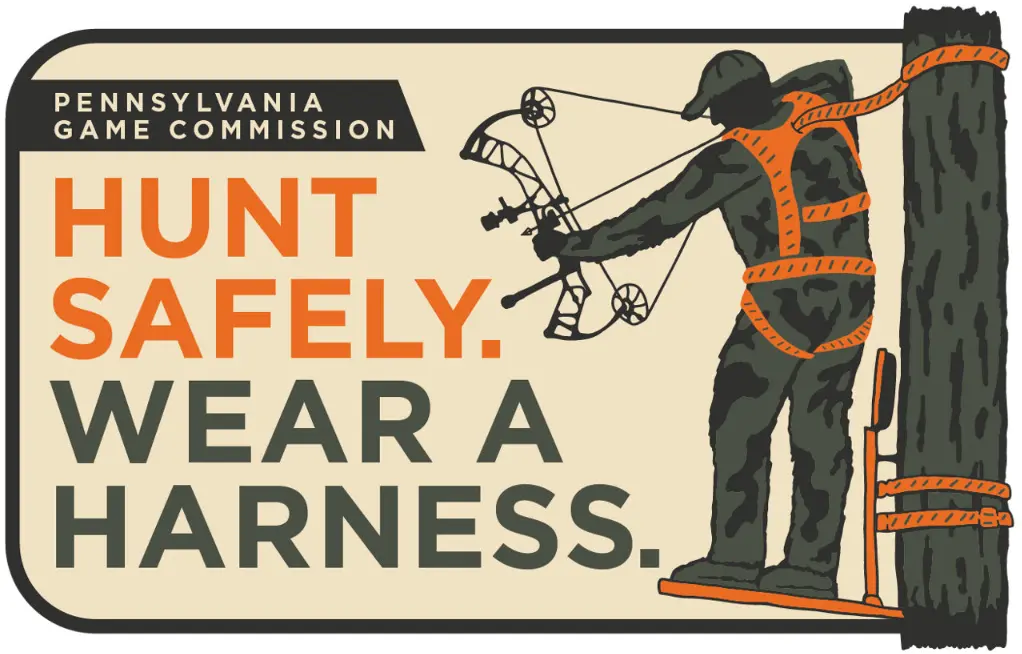
B. Use a safety harness to prevent falls
C. Shout for help right away
D. Continue hunting from the ground
Answer: B
Explanation: A safety harness is essential to prevent falls from tree stands, which can cause serious injuries or death in hunting scenarios.
6. Question: How should you store firearms at home?
A. In a unlocked cabinet for easy access
B. In a locked case away from ammunition
C. Loaded and ready for use
D. In a damp basement
Answer: B
Explanation: Storing firearms in a locked case separate from ammunition prevents unauthorized access and reduces the risk of accidents, especially in households with children.
7. Question: What is the primary purpose of hunting seasons?
A. To allow hunters to practice year-round
B. To conserve wildlife populations by controlling numbers
C. To increase tourism in rural areas
D. To sell more hunting licenses
Answer: B
Explanation: Hunting seasons are regulated to maintain sustainable wildlife populations, ensuring species do not become over-hunted.
8. Question: If you witness an unsafe hunting practice, what should you do?
A. Ignore it and continue hunting
B. Report it to the appropriate authorities
C. Join in to show how it’s done
D. Laugh it off as a joke
Answer: B
Explanation: Reporting unsafe practices helps enforce hunting regulations and prevents accidents, promoting overall safety in the field.
9. Question: What is the correct way to cross a fence with a firearm?
A. Throw the firearm over the fence first
B. Unload the firearm and pass it to your partner
C. Keep the firearm loaded and cross quickly
D. Leave the firearm on the ground
Answer: B
Explanation: Unloading and passing the firearm ensures it doesn’t accidentally discharge while crossing, maintaining control and safety.
10. Question: Why should hunters avoid alcohol before or during a hunt?
A. It makes hunting more fun
B. It impairs judgment and reaction time, leading to accidents
C. It helps with cold weather
D. It improves accuracy
Answer: B
Explanation: Alcohol affects coordination and decision-making, increasing the risk of firearm mishandles or poor choices in the field.
11. Question: What should you do if you get lost while hunting?
A. Panic and run in any direction
B. Stay put, conserve energy, and signal for help
C. Keep walking until you find a road
D. Build a fire immediately
Answer: B
Explanation: Staying in one place conserves energy and makes it easier for rescuers to locate you, while signaling increases your chances of being found.
12. Question: How can you identify wildlife to ensure ethical hunting?
A. Shoot first and check later
B. Use binoculars to confirm the species and sex if required
C. Rely on sounds alone
D. Assume all animals are legal game
Answer: B
Explanation: Proper identification ensures hunters only target legal species and adhere to bag limits, promoting ethical and sustainable practices.
13. Question: What is the best practice for handling a bow in hunting?
A. Always keep an arrow nocked and ready
B. Treat it like a firearm, keeping it pointed in a safe direction
C. Store it without a string
D. Shoot at moving targets without aiming
Answer: B
Explanation: Treating a bow like a firearm emphasizes safety by preventing accidental releases that could injure others.
14. Question: Why is it important to know the hunting regulations in your area?
A. To avoid paying fines or losing your license
B. To ensure conservation and safe practices
C. Both A and B
D. Neither A nor B
Answer: C
Explanation: Knowing regulations helps protect wildlife, ensures personal safety, and avoids legal consequences like fines or license revocation.
15. Question: What should you include in a basic hunting first-aid kit?
A. Bandages, antiseptic, and pain relievers
B. Only food and water
C. Firearms and ammunition
D. Extra clothing only
Answer: A
Explanation: A first-aid kit with bandages, antiseptic, and pain relievers addresses common injuries like cuts or bites, potentially saving lives in remote areas.
16. Question: How should you react if you accidentally fire a shot too close to another hunter?
A. Pretend it didn’t happen
B. Apologize and check for injuries
C. Leave the area quickly
D. Continue hunting
Answer: B
Explanation: Apologizing and checking for injuries demonstrates responsibility and helps prevent escalation of potential hazards.
17. Question: What is fair chase in hunting ethics?
A. Using any means to catch an animal
B. Giving animals a reasonable chance to escape
C. Hunting only at night
D. Shooting from a vehicle
Answer: B
Explanation: Fair chase ensures hunting is a test of skill and respect for wildlife, rather than an unfair advantage.
18. Question: Why should hunters practice at a shooting range before going out?
A. To show off to friends
B. To improve accuracy and familiarize with the firearm
C. To use up ammunition
D. To avoid learning in the field
Answer: B
Explanation: Practicing at a range builds confidence and accuracy, reducing the risk of mistakes during actual hunts.
19. Question: What is the proper way to field dress an animal?
A. Immediately after shooting, without gloves
B. Wear gloves, use clean tools, and dispose of waste properly
C. Leave it for later
D. Do it near water sources
Answer: B
Explanation: Wearing gloves and using clean tools prevents contamination and disease transmission, ensuring safe meat handling.
20. Question: How can hunters contribute to wildlife conservation?
A. By over-hunting species
B. Participating in habitat restoration and following limits
C. Ignoring regulations
D. Selling hunted animals
Answer: B
Explanation: Following limits and restoring habitats helps maintain healthy ecosystems, supporting long-term wildlife populations.
or
Part 3: Save Time and Energy: Generate Quiz Questions with AI Technology
Automatically generate questions using AI