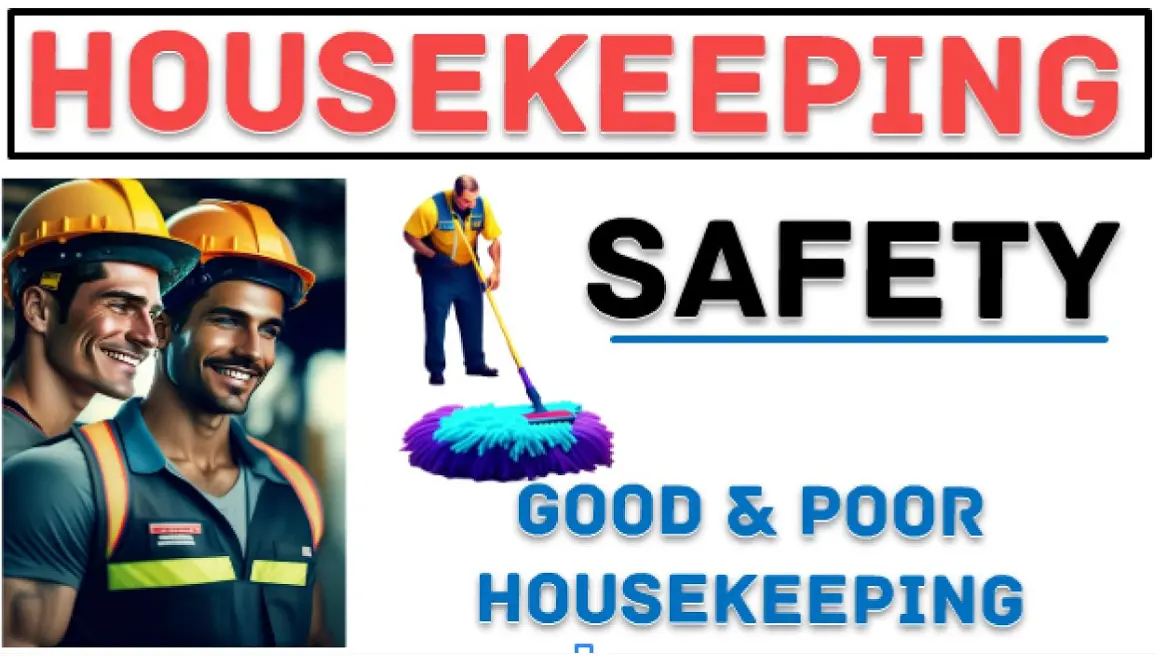
Housekeeping safety is essential for maintaining a clean, organized, and hazard-free environment in both residential and commercial settings. This overview covers key principles to prevent accidents and promote well-being.
#Key Hazards in Housekeeping:
– Slips, Trips, and Falls: Common due to wet floors, clutter, or uneven surfaces. Spills from cleaning agents can create slippery areas, leading to injuries.
– Chemical Exposure: Cleaning products may contain harmful substances like bleach or ammonia, causing skin irritation, respiratory issues, or eye damage if not handled properly.
– Ergonomic Strains: Repetitive tasks such as lifting heavy items, bending, or prolonged standing can result in back pain, muscle strains, or joint injuries.
– Electrical and Fire Risks: Faulty equipment, overloaded outlets, or improper storage of flammable materials can lead to shocks, fires, or explosions.
– Biological Hazards: Exposure to dust, mold, or biohazards like bacteria from unclean surfaces can cause allergies, infections, or respiratory problems.
#Best Practices for Safe Housekeeping:
– Personal Protective Equipment (PPE): Always wear gloves, goggles, masks, and non-slip shoes to protect against chemicals and physical hazards.
– Proper Storage and Organization: Keep tools, chemicals, and supplies in designated areas. Use labeled containers to avoid mix-ups and reduce clutter.
– Safe Handling of Chemicals: Read labels and safety data sheets (SDS) before use. Dilute products as instructed, avoid mixing incompatible substances, and ensure good ventilation.
– Ergonomic Techniques: Lift with your legs, not your back; use tools like step stools for high shelves; and take breaks to avoid fatigue.
– Regular Inspections: Conduct daily checks for potential dangers, such as frayed cords or blocked exits, and address issues immediately.
– Waste Management: Dispose of waste properly, separating recyclables and hazardous materials, to prevent environmental and health risks.
#Preventive Measures and Training:
– Implement Safety Protocols: Develop a routine checklist for housekeeping tasks, including emergency procedures for spills or injuries.
– Training Programs: Provide employees or household members with regular training on safe practices, hazard recognition, and first aid.
– Use of Tools and Equipment: Ensure all cleaning devices are in good condition; for example, use vacuums with HEPA filters to minimize dust exposure.
– Signage and Warnings: Place clear signs for wet floors, chemical storage, or restricted areas to alert others.
#Emergency Response:
– First Aid Preparedness: Keep a well-stocked first aid kit accessible and know how to respond to common incidents, such as chemical splashes or cuts.
– Evacuation Plans: In case of fires or gas leaks, have a clear escape route and practice drills regularly.
– Reporting Incidents: Document and report all accidents or near-misses to identify patterns and improve safety measures.
By prioritizing these safety guidelines, housekeeping can be performed efficiently while minimizing risks and ensuring a healthier environment for everyone involved.
Table of Contents
- Part 1: Best AI Quiz Making Software for Creating A Housekeeping Safety Quiz
- Part 2: 20 Housekeeping Safety Quiz Questions & Answers
- Part 3: Save Time and Energy: Generate Quiz Questions with AI Technology
Part 1: Best AI Quiz Making Software for Creating A Housekeeping Safety Quiz
OnlineExamMaker is a powerful AI-powered assessment platform to create auto-grading Housekeeping Safety skills assessments. It’s designed for educators, trainers, businesses, and anyone looking to generate engaging quizzes without spending hours crafting questions manually. The AI Question Generator feature allows you to input a topic or specific details, and it generates a variety of question types automatically.
Top features for assessment organizers:
● Combines AI webcam monitoring to capture cheating activities during online exam.
● Enhances assessments with interactive experience by embedding video, audio, image into quizzes and multimedia feedback.
● Once the exam ends, the exam scores, question reports, ranking and other analytics data can be exported to your device in Excel file format.
● API and SSO help trainers integrate OnlineExamMaker with Google Classroom, Microsoft Teams, CRM and more.
Automatically generate questions using AI
Part 2: 20 Housekeeping Safety Quiz Questions & Answers
or
1. Question: What is the best way to prevent slips and falls in a housekeeping environment?
a) Leave spills uncleaned for later
b) Immediately clean up spills and place warning signs
c) Ignore small spills if they are in low-traffic areas
d) Use slippery substances on floors for easy cleaning
Answer: b
Explanation: Cleaning spills immediately and using warning signs reduces the risk of accidents by alerting people to hazards and maintaining a safe walking surface.
2. Question: Which personal protective equipment (PPE) should be worn when handling chemical cleaners?
a) Only gloves if the chemical is mild
b) Gloves, goggles, and a mask
c) Just an apron for protection
d) No PPE is needed for common cleaners
Answer: b
Explanation: Gloves, goggles, and a mask protect the skin, eyes, and respiratory system from chemical exposure, preventing burns, irritation, or inhalation injuries.
3. Question: How should flammable cleaning materials be stored?
a) In a warm, well-lit area for easy access
b) In a cool, dry, and ventilated cabinet away from ignition sources
c) Near electrical outlets for convenience
d) In direct sunlight to dry them out
Answer: b
Explanation: Storing flammable materials in a cool, dry, and ventilated area minimizes the risk of fire or explosion by keeping them away from heat sources and allowing proper air circulation.
4. Question: What is the correct procedure for using a ladder during housekeeping tasks?
a) Stand on the top rung for better reach
b) Ensure the ladder is on a stable surface and use both hands
c) Lean the ladder against a wall without securing it
d) Use a ladder on uneven ground if it’s the only option
Answer: b
Explanation: Placing the ladder on a stable surface and using both hands prevents it from tipping, reducing the risk of falls and injuries.
5. Question: Why should electrical cords be managed properly in a housekeeping area?
a) To make the area look neat
b) To prevent tripping hazards and electrical fires
c) To save energy by unplugging devices
d) To allow for easier cleaning around them
Answer: b
Explanation: Proper cord management avoids trips and falls while reducing the risk of electrical fires from damaged or overloaded cords.
6. Question: What should you do if you encounter a fire while performing housekeeping duties?
a) Try to extinguish it yourself regardless of size
b) Evacuate and activate the fire alarm
c) Ignore it if it’s small and contained
d) Open windows to let it burn out
Answer: b
Explanation: Evacuating and activating the alarm ensures personal safety and alerts others, allowing professional responders to handle the fire effectively.
7. Question: How should heavy items be lifted to avoid back injuries?
a) Bend at the waist and lift quickly
b) Bend at the knees and keep the back straight
c) Lift with one arm for balance
d) Twist the body while holding the item
Answer: b
Explanation: Bending at the knees and keeping the back straight distributes the weight properly, reducing strain on the back and preventing musculoskeletal injuries.
8. Question: What is the proper way to dispose of sharp objects like broken glass?
a) Throw them directly into the regular trash
b) Place them in a puncture-resistant container
c) Sweep them under rugs for later cleanup
d) Leave them for someone else to handle
Answer: b
Explanation: Using a puncture-resistant container prevents cuts or injuries to waste handlers and maintains a safe environment during disposal.
9. Question: Why is it important to read labels on cleaning products?
a) To know the brand for future purchases
b) To understand hazards, proper use, and first aid measures
c) To check the expiration date only
d) To see if it’s environmentally friendly
Answer: b
Explanation: Labels provide critical information on hazards and safe handling, helping to prevent accidents, exposures, and misuse of chemicals.
10. Question: What should be done with wet mops after use?
a) Leave them in a pile on the floor
b) Hang them to dry in a well-ventilated area
c) Store them while still wet in a closed bag
d) Rinse them quickly and put them away
Answer: b
Explanation: Hanging wet mops to dry prevents bacterial growth and odors, ensuring they are sanitary for next use and reducing slip hazards from drips.
11. Question: How can you reduce the risk of chemical mixing accidents?
a) Mix different cleaners to make them more effective
b) Store and use chemicals separately as per instructions
c) Assume all chemicals can be combined safely
d) Use unlabeled containers for mixing
Answer: b
Explanation: Storing and using chemicals separately avoids dangerous reactions, such as explosions or toxic fumes, that could occur from improper mixing.
12. Question: What is the first step in responding to a chemical spill?
a) Clean it up immediately without precautions
b) Evacuate the area and notify supervisors
c) Spread it out to make it easier to clean
d) Cover it with paper towels
Answer: b
Explanation: Evacuating and notifying supervisors ensures safety by allowing trained personnel to handle the spill, preventing exposure or further hazards.
13. Question: Why should housekeeping tools like brooms be stored properly?
a) To keep the storage area organized
b) To prevent them from causing trips or damage
c) To make them easier to find
d) To save space in the room
Answer: b
Explanation: Proper storage of tools reduces the risk of trips, falls, or injuries from protruding handles, maintaining a clutter-free environment.
14. Question: What precaution should be taken when using aerosol sprays for cleaning?
a) Spray them near open flames for better dispersal
b) Use in a well-ventilated area and avoid inhaling
c) Shake the can vigorously before each use
d) Store them in direct sunlight
Answer: b
Explanation: Using aerosol sprays in a well-ventilated area prevents inhalation of fumes, which can cause respiratory issues or other health problems.
15. Question: How should you handle dusty areas during cleaning?
a) Sweep dust into the air for it to settle
b) Use a damp cloth or vacuum to contain dust
c) Ignore dust if it’s not visible
d) Blow dust with a fan to clear it quickly
Answer: b
Explanation: Using a damp cloth or vacuum traps dust particles, reducing airborne contaminants that could cause respiratory irritation or allergies.
16. Question: What is the safest way to transport cleaning carts?
a) Push them quickly to save time
b) Ensure they are balanced and move at a controlled speed
c) Overload them with supplies
d) Leave them unattended in hallways
Answer: b
Explanation: Keeping carts balanced and moving slowly prevents tipping or collisions, reducing the risk of injuries or accidents in busy areas.
17. Question: Why is regular maintenance of housekeeping equipment important?
a) To extend its lifespan and ensure safe operation
b) To make it look new
c) To use less equipment overall
d) To save on replacement costs only
Answer: a
Explanation: Regular maintenance prevents malfunctions that could lead to accidents, such as equipment breaking or causing electrical hazards.
18. Question: What should you do if you feel dizzy while using cleaning chemicals?
a) Continue working to finish the task
b) Stop immediately, move to fresh air, and seek help
c) Take a short break and resume
d) Ignore it if it goes away quickly
Answer: b
Explanation: Stopping and moving to fresh air prevents further exposure, which could worsen symptoms or lead to serious health issues like poisoning.
19. Question: How can you prevent cross-contamination when cleaning different areas?
a) Use the same cloth for all surfaces
b) Clean from cleanest to dirtiest areas and use separate tools
c) Mix cleaning solutions from different rooms
d) Clean multiple areas at once
Answer: b
Explanation: Cleaning from clean to dirty areas with separate tools prevents the spread of germs and bacteria, maintaining hygiene standards.
20. Question: What is the key to maintaining good posture during prolonged housekeeping tasks?
a) Slouch to reach lower areas
b) Take frequent breaks and alternate tasks
c) Work quickly without resting
d) Stand in one position for efficiency
Answer: b
Explanation: Taking breaks and alternating tasks reduces strain on muscles and joints, preventing fatigue and long-term injuries like back pain.
or
Part 3: Save Time and Energy: Generate Quiz Questions with AI Technology
Automatically generate questions using AI