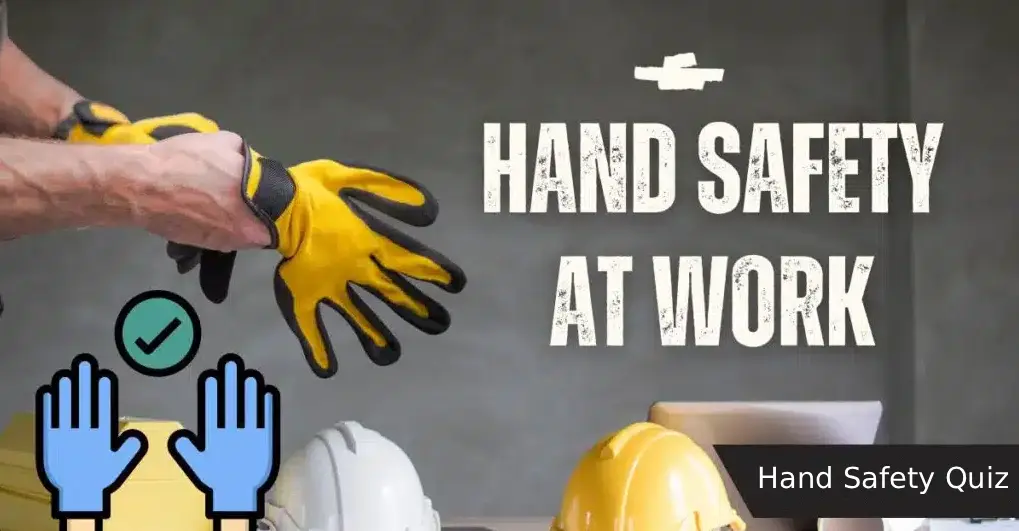
Hand safety is a critical aspect of workplace and daily life health protocols, aimed at preventing injuries to the hands, which are essential for performing tasks. Here’s a concise overview:
Common Hazards
– Cuts and Lacerations: From sharp tools, machinery, or materials like knives and glass.
– Crushes and Pinches: Caused by heavy equipment, doors, or machinery that can trap fingers.
– Burns and Thermal Injuries: Exposure to heat, chemicals, or electrical sources.
– Chemical Exposure: Contact with irritants, corrosives, or toxic substances that can cause dermatitis or absorption-related issues.
– Repetitive Strain: Overuse leading to conditions like carpal tunnel syndrome from prolonged typing or assembly work.
Importance of Hand Safety
Hands are vital for productivity and daily activities. Injuries can result in lost work time, medical costs, permanent damage, and reduced quality of life. Prioritizing hand safety minimizes these risks and promotes a safer environment.
Preventive Measures
– Personal Protective Equipment (PPE): Always wear gloves appropriate for the task—e.g., cut-resistant for handling sharp objects, chemical-resistant for hazardous substances.
– Proper Training: Educate workers on safe handling techniques, tool usage, and hazard recognition through regular workshops.
– Ergonomic Practices: Use tools and workstations designed to reduce strain, such as adjustable keyboards and padded grips.
– Maintenance and Inspection: Regularly check equipment for defects and ensure a clean, organized workspace to avoid slips or falls.
– Emergency Preparedness: Know first aid for hand injuries, including how to treat cuts, burns, or fractures, and have access to medical kits.
Best Practices
– Assess risks before starting any task and choose the right safety gear.
– Take breaks during repetitive activities to prevent strain.
– Follow lockout/tagout procedures for machinery to avoid accidental starts.
– Encourage a culture of reporting hazards without fear of reprisal.
– Stay informed on regulations like OSHA standards for hand protection.
By implementing these strategies, individuals and organizations can significantly reduce hand-related incidents and foster a safer, more efficient setting.
Table of Contents
- Part 1: OnlineExamMaker AI Quiz Generator – The Easiest Way to Make Quizzes Online
- Part 2: 20 Hand Safety Quiz Questions & Answers
- Part 3: Save Time and Energy: Generate Quiz Questions with AI Technology
Part 1: OnlineExamMaker AI Quiz Generator – The Easiest Way to Make Quizzes Online
Are you looking for an online assessment to test the Hand Safety skills of your learners? OnlineExamMaker uses artificial intelligence to help quiz organizers to create, manage, and analyze exams or tests automatically. Apart from AI features, OnlineExamMaker advanced security features such as full-screen lockdown browser, online webcam proctoring, and face ID recognition.
Take a product tour of OnlineExamMaker:
● Includes a safe exam browser (lockdown mode), webcam and screen recording, live monitoring, and chat oversight to prevent cheating.
● AI Exam Grader for efficiently grading quizzes and assignments, offering inline comments, automatic scoring, and “fudge points” for manual adjustments.
● Embed quizzes on websites, blogs, or share via email, social media (Facebook, Twitter), or direct links.
● Handles large-scale testing (thousands of exams/semester) without internet dependency, backed by cloud infrastructure.
Automatically generate questions using AI
Part 2: 20 Hand Safety Quiz Questions & Answers
or
Question 1:
What is the most important step before handling sharp tools?
A. Wear gloves
B. Rush to start the task
C. Ignore safety protocols
D. Work in a dimly lit area
Answer: A
Explanation: Wearing gloves provides a protective barrier, reducing the risk of cuts and punctures from sharp tools.
Question 2:
Which type of glove is best for handling chemicals?
A. Cotton gloves
B. Nitrile or rubber gloves
C. Leather gloves
D. Wool gloves
Answer: B
Explanation: Nitrile or rubber gloves are chemical-resistant, preventing skin contact with hazardous substances that could cause burns or irritation.
Question 3:
What should you do if you notice a cut on your hand at work?
A. Continue working
B. Clean the wound and apply a bandage
C. Ignore it if it’s small
D. Use the injured hand for heavy lifting
Answer: B
Explanation: Cleaning and bandaging the wound helps prevent infection and further injury, promoting proper healing.
Question 4:
Why is it important to keep your hands dry when operating machinery?
A. To make them slippery for better grip
B. To reduce the risk of electrical shocks
C. To allow faster movement
D. To avoid getting tools wet
Answer: B
Explanation: Wet hands can conduct electricity, increasing the danger of shocks when handling electrical equipment.
Question 5:
What is the correct way to lift a heavy object to protect your hands?
A. Use your back only
B. Grip with palms facing down
C. Bend at the knees and use your legs
D. Hold it with one hand
Answer: C
Explanation: Bending at the knees and using leg strength minimizes strain on hands and wrists, reducing the risk of sprains or drops.
Question 6:
Which hazard is most likely to cause hand burns in a kitchen?
A. Cold surfaces
B. Hot oils or pans
C. Clean water
D. Soft fabrics
Answer: B
Explanation: Hot oils or pans can cause immediate burns upon contact, so using heat-resistant gloves is essential.
Question 7:
How often should you inspect your work gloves for damage?
A. Once a year
B. Before each use
C. Only when they feel uncomfortable
D. Never, if they look fine
Answer: B
Explanation: Inspecting gloves before each use ensures they are intact, preventing exposure to hazards like cuts or chemicals.
Question 8:
What does “pinch point” mean in hand safety?
A. A safe area for hands
B. A spot where hands can be crushed
C. A place to rest hands
D. A tool for gripping
Answer: B
Explanation: Pinch points are areas where body parts can be caught and injured, so keeping hands clear is crucial.
Question 9:
Which action helps prevent repetitive strain injury in the hands?
A. Working without breaks
B. Taking regular short breaks and stretching
C. Using excessive force
D. Ignoring ergonomic tools
Answer: B
Explanation: Regular breaks and stretching reduce fatigue and strain, lowering the risk of conditions like carpal tunnel syndrome.
Question 10:
What should you use to protect your hands from flying debris?
A. Sunglasses
B. Safety gloves and goggles
C. Bare hands
D. Earplugs
Answer: B
Explanation: Safety gloves combined with goggles shield hands and eyes from debris, preventing cuts and eye injuries.
Question 11:
Why should you avoid wearing rings while working with machinery?
A. They can get caught and cause injury
B. They make hands look unprofessional
C. They don’t affect safety
D. They help with grip
Answer: A
Explanation: Rings can snag on machinery, leading to severe hand injuries, so removing them is a key safety measure.
Question 12:
What is the first aid for a chemical splash on the hand?
A. Rub the area
B. Rinse with water for at least 15 minutes
C. Apply heat
D. Cover with a dirty cloth
Answer: B
Explanation: Rinsing with water dilutes and removes the chemical, minimizing damage to the skin and preventing further absorption.
Question 13:
Which glove material is suitable for handling oily substances?
A. Cloth
B. Latex
C. PVC-coated
D. Paper
Answer: C
Explanation: PVC-coated gloves provide a non-slip surface and resistance to oils, reducing the risk of slips and contamination.
Question 14:
How can you reduce vibration-related hand injuries when using power tools?
A. Use them for longer periods
B. Wear anti-vibration gloves
C. Hold them loosely
D. Ignore the vibrations
Answer: B
Explanation: Anti-vibration gloves absorb shocks, helping to prevent conditions like hand-arm vibration syndrome.
Question 15:
What is a common sign of hand fatigue that requires a break?
A. Increased strength
B. Tingling or numbness
C. Faster reaction times
D. Warmer hands
Answer: B
Explanation: Tingling or numbness indicates nerve compression or strain, signaling the need for rest to avoid injury.
Question 16:
Which practice helps maintain hand hygiene in a workplace?
A. Washing hands only at the end of the day
B. Washing with soap and water regularly
C. Sharing gloves with coworkers
D. Using contaminated towels
Answer: B
Explanation: Regular hand washing removes dirt and germs, reducing the spread of infections and maintaining overall hand health.
Question 17:
Why should you never reach into moving parts of a machine?
A. It might slow down the machine
B. Hands could be caught and injured
C. It’s unnecessary
D. Machines are too loud
Answer: B
Explanation: Reaching into moving parts risks entanglement or crushing, which can lead to severe hand injuries or amputations.
Question 18:
What type of training is essential for safe hand tool use?
A. No training needed
B. Proper handling and maintenance techniques
C. Only for supervisors
D. Theoretical knowledge only
Answer: B
Explanation: Training on proper handling ensures tools are used correctly, reducing risks of slips, cuts, or improper force application.
Question 19:
How does proper lighting help with hand safety?
A. It makes the area warmer
B. It allows better visibility of hazards
C. It distracts from work
D. It has no effect
Answer: B
Explanation: Good lighting helps identify potential dangers like sharp edges, preventing accidental hand injuries.
Question 20:
What should you do if your hands feel strained after repetitive tasks?
A. Continue working through the pain
B. Stop, rest, and apply ice if needed
C. Switch to heavier tasks
D. Ignore it and proceed
Answer: B
Explanation: Resting and applying ice reduces inflammation and prevents worsening of strains, allowing for recovery.
or
Part 3: Save Time and Energy: Generate Quiz Questions with AI Technology
Automatically generate questions using AI