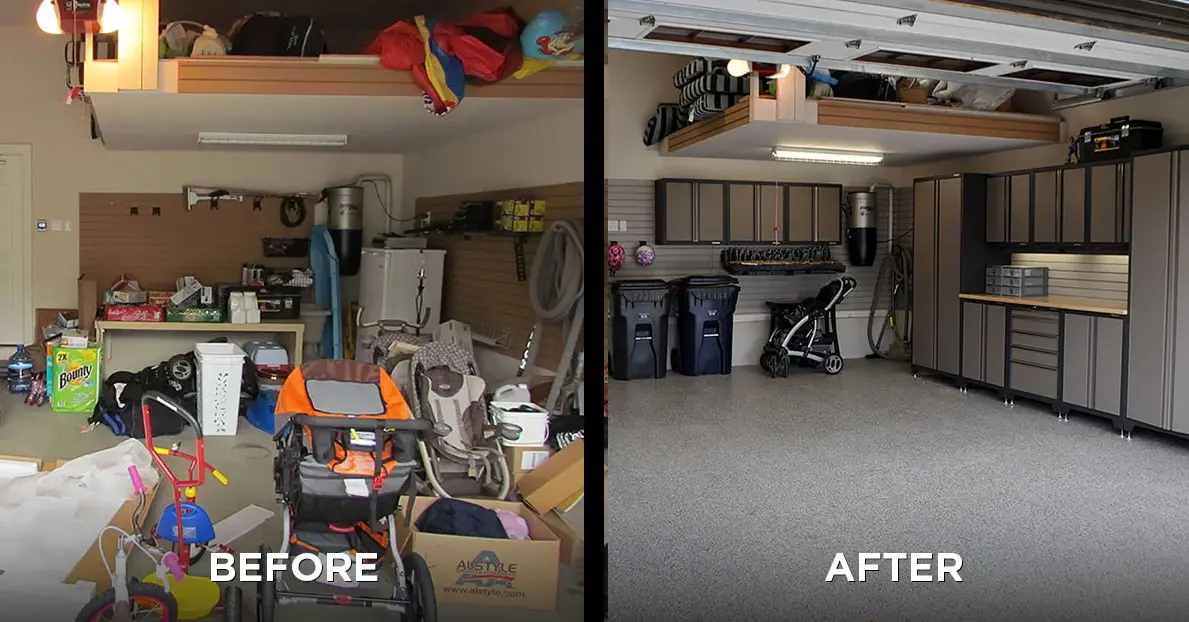
Garage safety is essential for protecting your home, family, and belongings from potential hazards. Start by keeping the garage floor clear of clutter, oil spills, and tools to prevent slips, trips, and falls. Secure heavy items like shelves and storage racks to walls to avoid them toppling over, especially during earthquakes or storms.
Proper lighting is key—install bright, motion-activated lights to eliminate dark corners where accidents could occur. For tools and chemicals, store them in locked cabinets or on high shelves out of reach of children, and always label hazardous materials clearly to avoid misuse.
When it comes to vehicles, never leave your car running in a closed garage to prevent carbon monoxide buildup; ensure detectors are installed and functioning. Use a sturdy garage door opener with safety sensors that reverse if something is in the way, and regularly test the door’s balance and auto-reverse features.
Fire prevention is critical: keep flammable liquids in approved containers, away from heat sources, and have a fire extinguisher nearby. Additionally, maintain good ventilation to reduce dust and fumes, and consider installing security cameras to deter intruders while enhancing overall awareness. By following these practices, you can create a safer garage environment.
Table of Contents
- Part 1: OnlineExamMaker AI Quiz Generator – Save Time and Efforts
- Part 2: 20 Garage Safety Quiz Questions & Answers
- Part 3: AI Question Generator – Automatically Create Questions for Your Next Assessment
Part 1: OnlineExamMaker AI Quiz Generator – Save Time and Efforts
What’s the best way to create a Garage Safety quiz online? OnlineExamMaker is the best AI quiz making software for you. No coding, and no design skills required. If you don’t have the time to create your online quiz from scratch, you are able to use OnlineExamMaker AI Question Generator to create question automatically, then add them into your online assessment. What is more, the platform leverages AI proctoring and AI grading features to streamline the process while ensuring exam integrity.
Key features of OnlineExamMaker:
● Combines AI webcam monitoring to capture cheating activities during online exam.
● Allow the quiz taker to answer by uploading video or a Word document, adding an image, and recording an audio file.
● Automatically scores multiple-choice, true/false, and even open-ended/audio responses using AI, reducing manual work.
● OnlineExamMaker API offers private access for developers to extract your exam data back into your system automatically.
Automatically generate questions using AI
Part 2: 20 Garage Safety Quiz Questions & Answers
or
1. Question: What is the safest way to store gasoline in a garage?
A. In an open container near a window for ventilation
B. In a tightly sealed, approved container away from heat sources
C. In the original car fuel tank inside the garage
D. In a plastic bottle under the workbench
Correct Answer: B
Explanation: Storing gasoline in a tightly sealed, approved container away from heat sources prevents leaks, fires, and explosions by reducing exposure to ignition sources and minimizing vapor buildup.
2. Question: Which of the following is the best practice for handling electrical tools in a garage?
A. Use damaged cords as long as they still work
B. Operate tools with wet hands for better grip
C. Inspect tools for damage and use grounded outlets
D. Leave tools plugged in after use
Correct Answer: C
Explanation: Inspecting tools for damage and using grounded outlets helps prevent electric shocks and fires by ensuring safe operation and reducing the risk of short circuits.
3. Question: How should you properly store sharp tools like knives or saw blades in a garage?
A. Loose in a drawer for easy access
B. In a designated toolbox with protective covers
C. Hanging on hooks without any guards
D. On the floor for quick pickup
Correct Answer: B
Explanation: Storing sharp tools in a designated toolbox with protective covers prevents accidental cuts, injuries, and damage to other items by keeping edges secured and organized.
4. Question: What should you do if you detect a gas leak in your garage?
A. Turn on lights to see the source better
B. Open windows and doors, then leave immediately
C. Use a match to check for the leak
D. Ignore it if the smell is faint
Correct Answer: B
Explanation: Opening windows and doors allows gas to dissipate, and leaving immediately prevents explosions or health risks from inhalation, as gas leaks can be highly dangerous.
5. Question: Which type of fire extinguisher is most suitable for a garage with electrical and flammable liquid hazards?
A. Water-based extinguisher
B. Foam-based extinguisher
C. ABC dry chemical extinguisher
D. CO2 extinguisher
Correct Answer: C
Explanation: An ABC dry chemical extinguisher can handle ordinary combustibles, flammable liquids, and electrical fires, making it versatile for common garage hazards and effective without causing additional risks.
6. Question: What is the primary risk of running a car engine inside a closed garage?
A. Increased noise levels
B. Carbon monoxide poisoning
C. Faster tire wear
D. Overheating the garage
Correct Answer: B
Explanation: Running a car engine in a closed garage produces carbon monoxide, a colorless, odorless gas that can cause poisoning or death, so proper ventilation is essential.
7. Question: How should you organize items in a garage to prevent trip hazards?
A. Leave tools and boxes scattered on the floor
B. Stack items high and unsecured
C. Use shelves and keep walkways clear
D. Pile everything in one corner
Correct Answer: C
Explanation: Using shelves and keeping walkways clear reduces the risk of tripping over objects, promoting safe movement and preventing falls in a potentially cluttered space.
8. Question: What safety measure should be taken when using a ladder in the garage?
A. Place it on an uneven surface for stability
B. Climb with both hands full
C. Ensure it is on a stable, level surface and use proper climbing techniques
D. Lean it against a wall without securing it
Correct Answer: C
Explanation: Placing a ladder on a stable, level surface and using proper techniques prevents slips and falls, as instability can lead to serious injuries.
9. Question: Why is it important to label chemicals in a garage?
A. To make the shelves look neat
B. To avoid mixing them accidentally and causing reactions
C. To save time when using them
D. To hide their contents from visitors
Correct Answer: B
Explanation: Labeling chemicals prevents accidental mixing, which could result in toxic fumes, fires, or explosions, ensuring safe handling and storage.
10. Question: What should you do with oily rags after use in the garage?
A. Leave them on the workbench to dry
B. Store them in a sealed metal container
C. Throw them directly into the trash
D. Wash them in the garage sink
Correct Answer: B
Explanation: Oily rags can spontaneously combust, so storing them in a sealed metal container prevents fires by limiting oxygen exposure and heat buildup.
11. Question: How can you minimize electrical hazards in a garage workshop?
A. Overload extension cords with multiple devices
B. Use cords that are frayed or cracked
C. Install GFCI outlets and avoid daisy-chaining cords
D. Keep water near electrical tools for cleaning
Correct Answer: C
Explanation: Installing GFCI outlets and avoiding daisy-chaining cords reduces the risk of electric shocks and fires by providing automatic shut-off and preventing overheating.
12. Question: What is the best way to handle heavy lifting in a garage?
A. Lift with your back straight and bend at the waist
B. Use your legs and keep the load close to your body
C. Rush through the lift to save time
D. Lift without warming up
Correct Answer: B
Explanation: Using your legs and keeping the load close to your body prevents back injuries by distributing weight properly and reducing strain on the spine.
13. Question: Why should garage doors be equipped with safety sensors?
A. To make the door open faster
B. To detect obstacles and prevent crushing injuries
C. To add decorative lights
D. To lock automatically
Correct Answer: B
Explanation: Safety sensors detect obstacles in the door’s path, stopping or reversing the door to prevent accidents, such as pinning people or objects.
14. Question: What precaution should be taken when storing batteries in a garage?
A. Store them near heat sources for quick charging
B. Keep them in a cool, dry place away from flammable materials
C. Charge them without supervision
D. Mix old and new batteries together
Correct Answer: B
Explanation: Storing batteries in a cool, dry place away from flammable materials prevents leaks, fires, or explosions caused by heat or chemical reactions.
15. Question: How should you deal with spills of hazardous liquids in the garage?
A. Wipe them up with bare hands
B. Use absorbent materials and dispose of them properly
C. Leave them to evaporate
D. Rinse them down the drain
Correct Answer: B
Explanation: Using absorbent materials and proper disposal prevents slips, fires, and environmental contamination, as hazardous liquids can be slippery and toxic.
16. Question: What is the key to maintaining good ventilation in a garage?
A. Keep all doors and windows closed
B. Use exhaust fans or open vents to remove fumes
C. Seal all cracks to trap heat
D. Rely on air fresheners
Correct Answer: B
Explanation: Good ventilation with exhaust fans or open vents removes harmful fumes and gases, reducing the risk of respiratory issues and explosions.
17. Question: Why is eye protection important when working in a garage?
A. To look professional
B. To protect against flying debris, chemicals, or dust
C. To block out bright lights
D. To keep glasses clean
Correct Answer: B
Explanation: Eye protection shields against potential injuries from particles, chemicals, or tools, preventing permanent damage like blindness.
18. Question: What should you check regularly on power tools in the garage?
A. Only the color of the tool
B. The cords, guards, and switches for wear
C. The weight for balance
D. The noise level
Correct Answer: B
Explanation: Regularly checking cords, guards, and switches ensures tools function safely, preventing electrical faults, malfunctions, or injuries.
19. Question: How can you prevent pest infestations in a garage?
A. Leave food wrappers and trash inside
B. Seal cracks and store items in sealed containers
C. Keep the garage dark
D. Add water sources for animals
Correct Answer: B
Explanation: Sealing cracks and using sealed containers blocks entry points for pests and eliminates attractants, reducing health risks and damage.
20. Question: What is the first step in creating a safe emergency exit plan for your garage?
A. Ignore it since emergencies are rare
B. Identify and clear paths to exits
C. Lock all doors for security
D. Store heavy items near the exit
Correct Answer: B
Explanation: Identifying and clearing paths to exits ensures quick evacuation during emergencies like fires, preventing panic and injuries.
or
Part 3: AI Question Generator – Automatically Create Questions for Your Next Assessment
Automatically generate questions using AI