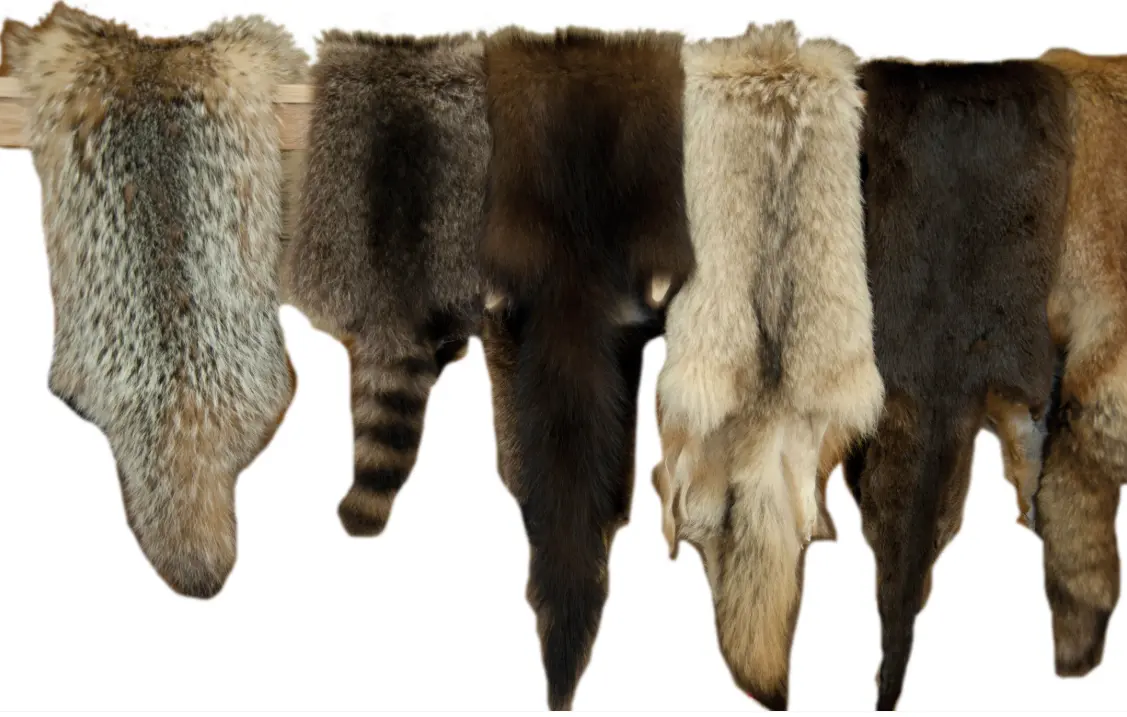
Furs, the luxurious pelts of animals such as mink, fox, and chinchilla, have long been prized for their soft, insulating qualities and rich textures. Harvested from species adapted to harsh climates, these materials offer exceptional warmth, with dense underfur providing a plush base and longer guard hairs adding durability and sheen. In fashion, furs are transformed into elegant coats, hats, and accessories, their natural patterns and colors—from silvery whites to deep blacks—evoking a sense of timeless opulence and heritage. Beyond apparel, furs serve in home decor, like rugs or throws, blending functionality with aesthetic appeal, while modern ethical considerations promote sustainable alternatives.
Table of Contents
- Part 1: OnlineExamMaker AI Quiz Generator – The Easiest Way to Make Quizzes Online
- Part 2: 20 Furs Quiz Questions & Answers
- Part 3: Save Time and Energy: Generate Quiz Questions with AI Technology
Part 1: OnlineExamMaker AI Quiz Generator – The Easiest Way to Make Quizzes Online
When it comes to ease of creating a Furs skills assessment, OnlineExamMaker is one of the best AI-powered quiz making software for your institutions or businesses. With its AI Question Generator, just upload a document or input keywords about your assessment topic, you can generate high-quality quiz questions on any topic, difficulty level, and format.
What you will like:
● AI Question Generator to help you save time in creating quiz questions automatically.
● Share your online exam with audiences on social platforms like Facebook, Twitter, Reddit and more.
● Display the feedback for correct or incorrect answers instantly after a question is answered.
● Create a lead generation form to collect an exam taker’s information, such as email, mobile phone, work title, company profile and so on.
Automatically generate questions using AI
Part 2: 20 Furs Quiz Questions & Answers
or
1. Question: What is fur primarily composed of?
A. Scales
B. Feathers
C. Hair
D. Skin
Answer: C. Hair
Explanation: Fur is made up of hair that grows from the skin of mammals, providing insulation and protection.
2. Question: Which animal is most commonly farmed for its fur in the global fur industry?
A. Rabbit
B. Fox
C. Mink
D. Chinchilla
Answer: C. Mink
Explanation: Mink is the most farmed fur animal due to its soft, dense pelt, which is highly valued in fashion.
3. Question: In which century did the fur trade significantly expand in North America?
A. 15th
B. 16th
C. 17th
D. 18th
Answer: C. 17th
Explanation: The fur trade expanded in the 17th century with European colonization, driven by demand for beaver pelts.
4. Question: What is the main purpose of the underfur in animals?
A. Camouflage
B. Insulation
C. Display
D. Defense
Answer: B. Insulation
Explanation: Underfur provides warmth by trapping air close to the body, helping animals survive in cold environments.
5. Question: Which country is the largest producer of fur worldwide?
A. United States
B. China
C. Canada
D. Russia
Answer: B. China
Explanation: China leads in fur production due to its large-scale fur farms and manufacturing capabilities.
6. Question: What process is used to treat fur pelts to make them suitable for clothing?
A. Dyeing
B. Tanning
C. Weaving
D. Spinning
Answer: B. Tanning
Explanation: Tanning preserves the pelt and makes it pliable, preventing decay and enhancing durability for use in garments.
7. Question: Which type of fur is known for its water-repellent properties?
A. Rabbit
B. Beaver
C. Sable
D. Ermine
Answer: B. Beaver
Explanation: Beaver fur has natural oils that repel water, making it ideal for cold, wet conditions.
8. Question: What ethical concern is most associated with the fur industry?
A. Overfishing
B. Animal cruelty
C. Deforestation
D. Pollution
Answer: B. Animal cruelty
Explanation: The fur industry often involves inhumane practices like trapping and farming, leading to widespread animal welfare debates.
9. Question: Which fur is typically the most expensive due to its rarity and softness?
A. Fox
B. Chinchilla
C. Raccoon
D. Opossum
Answer: B. Chinchilla
Explanation: Chinchilla fur is highly prized for its extreme softness and density, but it’s rare because chinchillas breed slowly.
10. Question: How does fur help animals in their natural habitat?
A. For flying
B. For swimming
C. For thermoregulation
D. For digestion
Answer: C. Thermoregulation
Explanation: Fur aids in maintaining body temperature by insulating against heat loss or gain in varying environments.
11. Question: What is a common alternative to real fur in modern fashion?
A. Leather
B. Faux fur
C. Wool
D. Silk
Answer: B. Faux fur
Explanation: Faux fur, made from synthetic materials, mimics real fur’s appearance while addressing ethical and environmental concerns.
12. Question: Which historical event boosted the demand for fur in Europe?
A. Industrial Revolution
B. Age of Exploration
C. World War I
D. Renaissance
Answer: B. Age of Exploration
Explanation: The Age of Exploration increased access to new fur sources, fueling trade and demand for luxury furs in Europe.
13. Question: What layer of fur is often removed for fashion use?
A. Guard hairs
B. Underfur
C. Roots
D. Tips
Answer: A. Guard hairs
Explanation: Guard hairs are sometimes sheared or removed to create a softer finish, though underfur is the primary material used.
14. Question: Which animal’s fur was a key driver in the Hudson’s Bay Company’s success?
A. Wolf
B. Beaver
C. Bear
D. Deer
Answer: B. Beaver
Explanation: Beaver pelts were essential for hats and trade, making them central to the Hudson’s Bay Company’s 17th-century operations.
15. Question: What environmental impact is linked to fur farming?
A. Ocean acidification
B. Water pollution
C. Desertification
D. Volcanic activity
Answer: B. Water pollution
Explanation: Fur farms often produce waste that contaminates water sources, affecting local ecosystems.
16. Question: Which fur type is commonly used for trim on winter coats?
A. Synthetic fur
B. Fox
C. Cotton
D. Nylon
Answer: B. Fox
Explanation: Fox fur is popular for trims due to its vibrant colors and fluffy texture, adding warmth and style.
17. Question: In what way is fur harvested from wild animals?
A. Shearing
B. Trapping
C. Milking
D. Harvesting eggs
Answer: B. Trapping
Explanation: Wild fur is typically obtained through trapping, which raises concerns about animal suffering and sustainability.
18. Question: What cultural significance does fur hold in Indigenous communities?
A. As currency
B. For spiritual rituals
C. Both A and B
D. Neither A nor B
Answer: C. Both A and B
Explanation: Fur has been used as currency in trade and holds spiritual importance in many Indigenous traditions.
19. Question: Which factor has led to a decline in the fur industry in recent years?
A. Increased demand
B. Animal rights movements
C. Cheaper production
D. Global warming
Answer: B. Animal rights movements
Explanation: Campaigns by groups like PETA have raised awareness, leading to boycotts and regulations that reduce fur demand.
20. Question: What is the primary economic benefit of the fur trade?
A. Job creation
B. Revenue generation
C. Tourism boost
D. All of the above
Answer: D. All of the above
Explanation: The fur trade creates jobs, generates revenue for countries, and can boost tourism in fur-producing regions.
or
Part 3: Save Time and Energy: Generate Quiz Questions with AI Technology
Automatically generate questions using AI