Fur farming is the controlled breeding, raising, and harvesting of animals for their pelts, primarily for use in the fashion industry. This practice dates back to ancient civilizations, but modern fur farming emerged in the late 19th century in Europe and North America as a response to the demand for high-quality fur without relying on wild trapping.
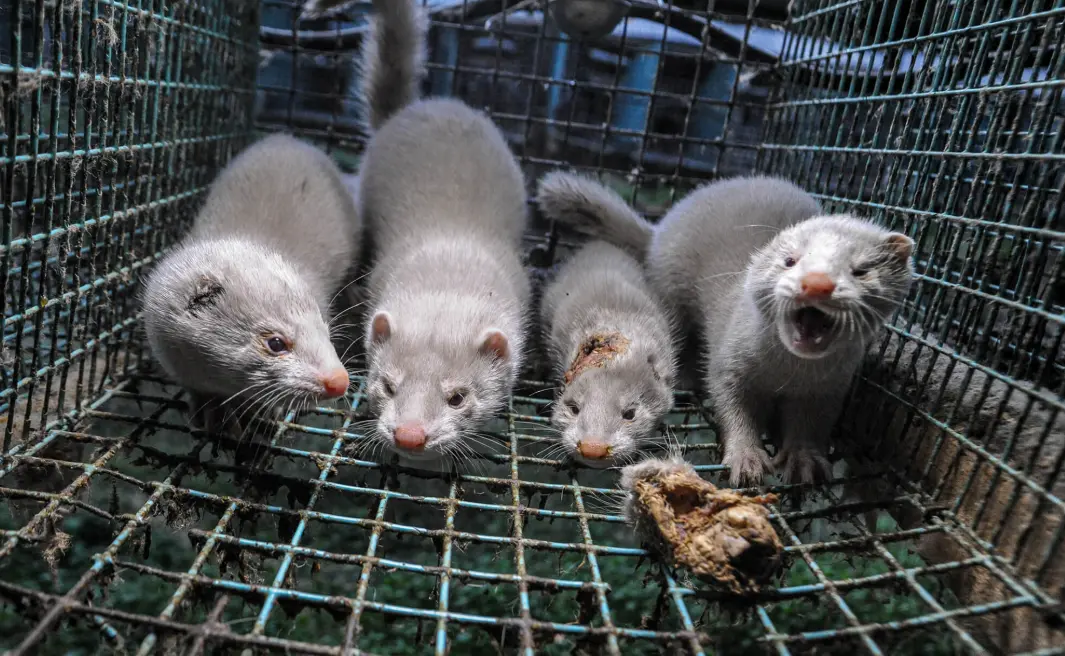
Key animals involved include mink, foxes, chinchillas, and rabbits, chosen for their dense, luxurious fur. Farms typically operate in controlled environments such as cages or enclosures to manage breeding, feeding, and health, ensuring optimal fur quality. The process involves selective breeding for desirable traits, followed by humane euthanasia and skinning once the animals reach maturity, usually within several months to a year.
Economically, fur farming contributes to global trade, with major producers in countries like China, the United States, and Denmark. It generates billions in revenue annually, supporting jobs in farming, processing, and manufacturing. However, the industry faces criticism over animal welfare, environmental impacts (such as water pollution and resource use), and ethical concerns, leading to bans or regulations in regions like the European Union.
Despite these challenges, technological advancements, such as improved housing and genetic selection, aim to enhance sustainability. The future of fur farming may depend on balancing economic benefits with ethical standards, as alternatives like faux fur gain popularity.
Table of Contents
- Part 1: Create A Fur Farming Quiz in Minutes Using AI with OnlineExamMaker
- Part 2: 20 Fur Farming Quiz Questions & Answers
- Part 3: Automatically Generate Quiz Questions Using AI Question Generator
Part 1: Create A Fur Farming Quiz in Minutes Using AI with OnlineExamMaker
When it comes to ease of creating a Fur Farming skills assessment, OnlineExamMaker is one of the best AI-powered quiz making software for your institutions or businesses. With its AI Question Generator, just upload a document or input keywords about your assessment topic, you can generate high-quality quiz questions on any topic, difficulty level, and format.
Overview of its key assessment-related features:
● AI Question Generator to help you save time in creating quiz questions automatically.
● Share your online exam with audiences on social platforms like Facebook, Twitter, Reddit and more.
● Instantly scores objective questions and subjective answers use rubric-based scoring for consistency.
● Simply copy and insert a few lines of embed codes to display your online exams on your website or WordPress blog.
Automatically generate questions using AI
Part 2: 20 Fur Farming Quiz Questions & Answers
or
1. What is fur farming primarily defined as?
A. Raising animals in the wild for their fur
B. Breeding and raising animals on farms specifically for their fur
C. Hunting wild animals for fur trade
D. Processing synthetic materials to mimic fur
Answer: B
Explanation: Fur farming involves controlled breeding and raising of animals like mink or foxes in enclosed environments to harvest their pelts, distinguishing it from wild hunting or synthetic production.
2. Which animal is most commonly farmed for fur worldwide?
A. Rabbits
B. Chinchillas
C. Mink
D. Sable
Answer: C
Explanation: Mink are the most widely farmed fur animal due to their high-quality pelts and efficient breeding, making up a significant portion of global fur production.
3. What is the main purpose of cages in fur farming?
A. To allow animals to roam freely
B. To protect animals from predators and control breeding
C. To simulate natural habitats
D. To harvest fur without killing the animals
Answer: B
Explanation: Cages in fur farming are used to house animals securely, manage populations, and prevent escapes, though they often raise welfare concerns due to limited space.
4. In which country is fur farming most regulated due to animal welfare laws?
A. China
B. United States
C. Denmark
D. Russia
Answer: C
Explanation: Denmark has strict regulations on fur farming, including bans in some regions, driven by animal welfare advocacy, leading to phased-out practices in parts of the country.
5. What environmental impact is commonly associated with fur farming?
A. Reduction in water pollution
B. Increased greenhouse gas emissions from waste
C. Improvement in soil quality
D. Decreased use of land resources
Answer: B
Explanation: Fur farming generates significant waste from animal excrement and uneaten feed, contributing to greenhouse gas emissions and water contamination if not managed properly.
6. How are animals typically euthanized in fur farming operations?
A. Through natural causes
B. Using methods like gassing or cervical dislocation
C. By releasing them into the wild
D. With surgical procedures
Answer: B
Explanation: Common euthanasia methods in fur farming include gassing or breaking the neck to minimize suffering and ensure quick death, though these practices are criticized for cruelty.
7. What role does genetics play in modern fur farming?
A. It is not used at all
B. Selective breeding for better fur quality and color
C. Random mating to maintain diversity
D. Cloning animals for identical fur
Answer: B
Explanation: Fur farmers use selective breeding to enhance traits like fur density, color, and size, improving the economic value of pelts while maintaining herd health.
8. Why has fur farming declined in some European countries?
A. Increased demand for fur products
B. Bans due to animal rights movements
C. Expansion of wild fur trapping
D. Lower production costs
Answer: B
Explanation: Countries like the UK and Austria have banned fur farming due to ethical concerns and animal welfare campaigns, leading to a decline in the industry.
9. What is a key difference between fur farming and wildlife fur trapping?
A. Fur farming is more humane
B. Trapping involves wild animals, while farming uses captive-bred ones
C. Farming requires no regulations
D. Trapping produces higher-quality fur
Answer: B
Explanation: Fur farming controls the breeding and living conditions of animals in captivity, whereas wildlife trapping captures animals from their natural habitats, often raising sustainability issues.
10. Which factor has contributed to the economic viability of fur farming?
A. High labor costs
B. Fluctuating global fur prices
C. Efficient mass production of pelts
D. Dependence on synthetic alternatives
Answer: C
Explanation: Fur farming allows for scalable production through controlled environments, reducing costs and enabling farmers to meet market demands efficiently.
11. What is the primary feed source for animals in fur farms?
A. Wild-caught fish and meat
B. Synthetic pellets
C. Grains and vegetables only
D. A mix of by-products from the food industry
Answer: D
Explanation: Fur farm animals are often fed waste products from the food industry, such as fishmeal or slaughterhouse by-products, to keep costs low and utilize resources efficiently.
12. How does fur farming affect biodiversity?
A. It increases local wildlife populations
B. It can introduce diseases to wild animals
C. It promotes habitat restoration
D. It has no impact
Answer: B
Explanation: Escaped farmed animals can spread diseases to wild populations or interbreed, potentially disrupting local ecosystems and biodiversity.
13. What is the typical lifespan of a fur-farmed animal compared to its wild counterpart?
A. Longer due to veterinary care
B. Shorter due to farming conditions
C. The same
D. Variable based on species
Answer: B
Explanation: Fur-farmed animals are often killed at a young age for their pelts, resulting in a shorter lifespan than wild animals, which can live longer in natural settings.
14. Which organization has been a major critic of fur farming practices?
A. World Wildlife Fund
B. People for the Ethical Treatment of Animals (PETA)
C. International Fur Federation
D. Fur Council of Canada
Answer: B
Explanation: PETA has actively campaigned against fur farming, highlighting issues like animal suffering and promoting alternatives, influencing public opinion and policies.
15. What processing step is essential after harvesting fur from farmed animals?
A. Immediate sale without treatment
B. Pelting and drying the skins
C. Releasing the animals back to the wild
D. Dyeing the fur on the animal
Answer: B
Explanation: After killing, the fur is removed through pelting, and the skins are dried and treated to preserve quality before being sold or further processed.
16. Why might fur farming be more common in colder climates?
A. Animals thrive better in warm areas
B. Easier to manage outdoor facilities in cold weather
C. Higher demand for fur in cold regions
D. Reduced disease risk in low temperatures
Answer: B
Explanation: Colder climates allow for simpler outdoor housing without the need for extensive climate control, making fur farming more practical and cost-effective.
17. What alternative material has challenged the fur farming industry?
A. Leather from cattle
B. Faux fur made from synthetic fibers
C. Wool from sheep
D. Silk from silkworms
Answer: B
Explanation: Faux fur, produced from petroleum-based synthetics, offers a cruelty-free and often cheaper alternative, reducing demand for real fur from farmed animals.
18. How has technology improved fur farming efficiency?
A. By eliminating the need for feeding
B. Through automated feeding and monitoring systems
C. By using wild habitats for rearing
D. Reducing the number of animals needed
Answer: B
Explanation: Modern technology, such as automated feeders and health monitoring, helps optimize animal care, reduce waste, and increase production efficiency on fur farms.
19. What global event in the 2020s impacted fur farming significantly?
A. A boom in fashion trends
B. COVID-19 outbreaks on farms
C. Increased export subsidies
D. Expansion of farming areas
Answer: B
Explanation: COVID-19 outbreaks linked to mink farms in countries like Denmark led to mass culling and temporary bans, highlighting health risks and accelerating scrutiny of the industry.
20. What is a potential future trend for the fur farming sector?
A. Complete global legalization
B. Shift towards more ethical and sustainable practices
C. Elimination of all regulations
D. Increased reliance on wild sources
Answer: B
Explanation: Growing consumer awareness and regulations may push fur farming towards improvements in animal welfare, sustainable methods, or a decline in favor of alternatives.
or
Part 3: Automatically generate quiz questions using OnlineExamMaker AI Question Generator
Automatically generate questions using AI